

I’ll never forget the hot summer afternoon when I stepped outside and noticed that strange, blistered patches on my home’s exterior. I had just finished painting, feeling proud of my work, only to be greeted the next day by unsightly bubbles and peeling patches. At first, I thought I had messed up the job or used the wrong paint, but soon I realized there’s more to these stubborn spots than meets the eye. This was a real lightbulb moment for me—discovering that exterior paint bubbling after warm days isn’t just about a bad brush stroke, but often points to deeper issues that can be corrected with the right knowledge.
Understanding Why Your Paint Bubbles After Hot Weather
The first thing I learned—often through trial and error—is that heat can actually trap moisture beneath the paint layer. When the temperature rises, the moisture trapped under the surface expands, causing the paint to blister or bubble. Essentially, the heat acts like a pressure cooker inside your wall, forcing moisture out and creating those unsightly bubbles. This problem isn’t just cosmetic; it can also lead to paint failure if ignored.
Another common culprit is application issues—like applying paint over a surface that wasn’t properly prepared or using incompatible products. For example, I once made the mistake of painting over a damp surface without primer, thinking it would save me time. That misstep ultimately contributed to bubbling, especially during hot days.
Most importantly, the type of paint you choose matters. Oil-based paints tend to withstand temperature swings better than latex paints, which can be more prone to bubbling if conditions aren’t perfect during application. According to industry experts, choosing high-quality, elastomeric paints can help prevent these issues by allowing your exterior to breathe better and withstand temperature changes. Want to learn more about choosing the right type of paint? Check out this insightful guide.
So, have you ever painted on a warm, sunny day only to see your work bubble up a few hours later? If so, you’re not alone. The good news is, understanding these causes prepares us to tackle the problem head-on. The next step is to identify specific solutions—methods I’ve used personally—that can help your paint stay smooth and durable, no matter how hot it gets outside.
Is All Bubble Formation the Same? Or Is It More Complex Than That?
Early in my painting journey, I made the mistake of thinking any bubbling was just a minor flaw that could be sanded out and painted over. Turns out, some bubbles indicate more serious issues like trapped moisture or poor adhesion that need proper diagnosis. Recognizing the difference between a surface that can be salvaged easily and one that needs a complete redo is crucial. Want to avoid rework and costly repairs? Stay tuned for my favorite tips to prevent bubbling, backed by professional advice and practical experience.
Inspect and Prepare Surfaces Carefully
Before any painting, I learned that a thorough surface inspection is critical. I once rushed through cleaning my siding, ignoring mold and debris. When I applied paint on such a neglected surface, bubbles appeared faster during a heatwave. To avoid this, use a stiff brush or pressure washer to remove dirt, mold, and peeling paint. Ensure the surface is dry, free from moisture, and smooth to promote adhesion. Proper preparation acts like laying a solid foundation for a house — crucial for durability and look.
Choose the Right Paint and Primer
In my early projects, I underestimated the importance of selecting compatible paint and primer. For exterior walls, elastomeric or high-quality acrylic paints resist bubbling better during temperature swings. I recommend using a breathable primer suitable for your surface, especially if previous layers are old or have peeling. This combo helps moisture escape and reduces trapped humidity, which is a leading cause of bubbling. For more insights, explore why local painting techniques can make a difference.
Schedule Painting for Cooler Times
Timing is everything. I once tried painting during a particularly hot afternoon, and it ended with bubbling and uneven finish. To prevent this, plan your painting sessions early in the morning or late in the evening when temperatures are cooler. Avoid painting in direct sunlight or during heatwaves. If an unexpected heat spell hits, consider postponing or covering freshly painted areas with shade to reduce surface temperature. Think of it as watering plants — they thrive when conditions are right.
Apply Thin, Even Coats
My initial mistake was applying thick coats, assuming it would save time. This backfired, especially on hot days. Instead, I now apply several thin coats, letting each dry thoroughly. Use a high-quality brush or roller designed for exterior surfaces to distribute the paint evenly, much like spreading butter evenly on bread. This approach minimizes solvent and moisture entrapment, decreasing the likelihood of bubbling caused by trapped air or water.
Manage Moisture and Ventilation
Controlling moisture is key. During one project, I noticed bubbles near gutters because the walls retained water. Ensuring proper drainage and avoiding painting over damp areas prevents this. When painting surfaces with potential moisture issues, consider using a moisture-blocking primer. Additionally, ensure good airflow during and after painting, either naturally or with fans, to accelerate drying and moisture escape. This technique acts like opening windows after cooking to help steam out.
Regularly Check and Fix Issues Promptly
Lastly, inspecting and touching up small bubbling spots as they appear can save you from larger problems. I remember a tiny bubble I ignored, which turned into a big blister due to ongoing heat and moisture. Use a pin to puncture bubbles, allowing trapped air or water to escape, then smooth and repaint the area. Staying vigilant is vital to maintaining a flawless finish that withstands the heat.
Implementing these steps has transformed my exterior painting experience, saving me time and money. For more expert strategies, I recommend reviewing top local painting strategies and always prioritize surface integrity and proper timing. Remember, a well-executed prep and application process is your best defense against bubbling, especially when the weather turns warm.
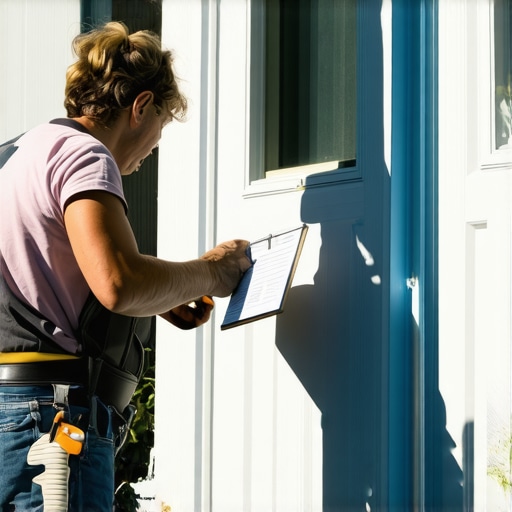 When it comes to house painting, many homeowners and even some professionals focus on the obvious—color choice, brush quality, or the number of coats. However, there are subtle nuances and common misconceptions that can make or break the durability and appearance of your paint job. Let’s cut through the noise and explore what many get wrong, often without realizing the pitfalls they’re setting themselves up for.
A prevalent myth is that applying thicker coats will speed up the process and guarantee better coverage. In reality, this approach often leads to bubbling, cracking, or peeling. Thinner, multiple coats promote better adhesion and a more even finish, especially when paired with proper surface preparation. Moreover, overloading paint can trap solvents beneath the surface, causing the dreaded blisters. For expert techniques on applying the perfect coat, check out [top local painting strategies](https://elitepainterpro.com/painting-your-home-top-local-painting-strategies-revealed).
A trap many fall into involves ignoring climate conditions during the painting process. The assumption that paint can be applied any day, regardless of temperature or humidity, can be costly. High humidity slows drying, leading to poor adhesion, while excessive heat can cause rapid evaporation, resulting in uneven texture or cracks. Surprisingly, some overlook the importance of scheduling painting projects for optimal weather. Timing is crucial—think early mornings or late afternoons—and can significantly extend the life of your paintwork.
Beyond basic mistakes, there’s a misconception that all paint types are created equal. While latex paints are popular for their ease and quick drying, they are more sensitive to weather fluctuations. Oil-based paints, although less common today, offer superior durability under extreme conditions. Choosing the right product isn’t just about aesthetics; it’s about longevity. For advanced insights into selecting the best paints for your environment, explore [why local painting techniques matter](https://elitepainterpro.com/why-local-painting-matters-boost-your-homes-value).
Another overlooked nuance involves surface prep. Skipping thorough cleaning, sanding, and priming leads to compromised adhesion, resulting in peeling or blistering over time. This step, often underestimated, is the foundation of quality painting. Think of it as laying a solid groundwork—skimping here can sabotage the entire project.
Hospitals, commercial buildings, and high-traffic areas demand specialized coatings. Many assume that standard paints suffice, but neglecting high-traffic or moisture-prone areas can lead to quick deterioration. Applying scuff-resistant or waterproof paints in these zones ensures durability and reduces maintenance costs. To learn more about expert recommendations for challenging spaces, see [transforming spaces with local painting solutions](https://elitepainterpro.com/transforming-spaces-local-painting-solutions-for-every-budget).
Finally, understanding the importance of the finishing touches can elevate your painting project from okay to exceptional. Proper caulking, sanding between coats, and checking for drips or unevenness are small steps that make a big difference. Ignoring these details might save time upfront but often results in costly touch-ups later.
Have you ever fallen into this trap? Let me know in the comments. Mastering these subtle aspects ensures your house painting efforts stand the test of time, climate, and everyday wear—turning a simple update into a lasting transformation.
Keeping It Working: Essential Tools and Maintenance for Your Paint Job
When it comes to maintaining a fresh and durable paint finish on your house, having the right tools and understanding proper maintenance routines are paramount. Over the years, I’ve refined my toolkit to include equipment that not only enhances efficiency but also prolongs the life of the paint. For example, I swear by high-quality, angled brushes for cutting in—these give me precision around tricky edges and trim, minimizing paint buildup and uneven lines. Additionally, a good paint sprayer, like the Graco Magnum series, offers a smooth coating on larger surfaces and helps achieve professional results faster, especially when tackling exterior walls.
Beyond tools, regular maintenance plays a crucial role. Cleaning the surface with a gentle pressure washer every few years removes dirt, mold, and algae that can degrade paint. Remember, always use eco-friendly detergents—harsh chemicals can compromise the paint’s adhesion. After cleaning, inspecting for damages such as cracks or peeling allows for timely touch-ups, preserving the integrity of the paint layer. I recommend carrying a small kit with spackle, a putty knife, and some high-quality exterior primer—these enable quick fixes before minor issues escalate into costly repairs.
As technology advances, so do our options for prolonging paint life. I’ve started experimenting with ceramic-based topcoats, which are designed to reflect sunlight and reduce surface temperatures, decreasing the frequency of repainting. These coatings, supported by industry experts, can make a significant difference in hot climates, where UV exposure accelerates paint deterioration. Looking ahead, I believe the trend toward smart paints—those with self-cleaning or pollution-repellent properties—will become mainstream, offering homeowners even more peace of mind and less upkeep.
How do I maintain my paintwork over time?
Maintaining your home’s paint isn’t a one-time effort; it involves regular inspections and timely interventions. Start by setting a seasonal schedule to check for bubbling, peeling, or discoloration. Address small issues immediately—scrape off loose paint, sand rough edges, and apply a fresh coat of primer and paint where needed. Using the right tools, like a high-quality brush or roller for touch-ups, ensures the new paint blends seamlessly with the existing surface, preventing visible patches. Also, consider applying a weather-resistant clear sealer every five years to add an extra layer of protection against moisture and UV rays. This proactive approach not only sustains aesthetic appeal but significantly extends the lifespan of your paint job. If you haven’t tried it yet, experiment with the advanced tip of using ceramic topcoats—it’s a game-changer for those in sun-drenched areas. For comprehensive strategies and expert insights, explore why local painting matters and always stay ahead with regular upkeep. Proper maintenance tools and routines ensure your investment in house painting pays off in long-term durability and beauty.
What I Wish I Had Known Before Starting My Painting Journey
One of the toughest lessons I learned was the importance of patience and proper surface preparation. Rushing to apply paint without cleaning and priming only led to bubbling and peeling, especially during hot weather. It taught me that investing time upfront saves headaches later. Additionally, choosing high-quality, breathable paints can prevent moisture entrapment, which is a silent culprit behind bubbling issues. Recognizing these insights early has transformed my approach and can do the same for you.
A Toolbox of Trusted Resources for Better Painting
Over the years, I’ve relied on certain tools and guides that truly elevate the quality of a paint job. For instance, high-grade brushes and rollers, like those available from top brands, ensure even application and smoother finishes. Books such as ‘Mastering House Painting Techniques’ have been invaluable, offering expert advice backed by real-world experience. Also, following dedicated blogs and local painting forums allows me to stay updated on innovative techniques and product reviews tailored to specific climates and surfaces.
Turning Challenges into Opportunities: Your Painting Evolution
Embarking on house painting is more than just aesthetics; it’s about building confidence and skills that last. Don’t let early setbacks discourage you—each mistake is a stepping stone toward mastery. Remember, the key to long-lasting results is consistency, proper tools, and a willingness to learn. As you refine your craft, you’ll find joy in transforming your space, making it reflect your personality and care. So, take that first brushstroke, and let your home tell its story.