

It was a chilly Saturday morning when I finally decided to give my bathroom a fresh coat of paint. As I stood there, paintbrush in hand, I noticed that my painter was hovering nearby, seemingly eager to share a secret. “You know, satin finish is what I always recommend for bathrooms,” he said with a smile. I hesitated, skeptical about the shiny, almost glossy look it would leave. It was then I realized how often homeowners overlook the magic of the right finish, settling for flat or eggshells and ending up with frustrations on their hands.
Why Satin Finish Is a Game-Changer for Bathrooms
Choosing the right paint finish can make all the difference in a space that faces constant moisture, humidity, and the inevitable splashes. My lightbulb moment came when I understood that satin isn’t just about appearance; it’s about durability and practicality. It has a beautiful subtle sheen that reflects light, making smaller bathrooms seem more spacious. Plus, its water resistance is top-notch—an essential feature for any bathroom—protecting your walls from mold, mildew, and peeling.
Let me assure you, this isn’t just my opinion. Professionals agree that satin finishes boast a mid-level sheen that balances a smooth look with easy cleanability. According to industry experts, satin paints are specifically designed to withstand high-humidity environments, preserving the aesthetics even after years of use. I once made the mistake of going with a flat finish in my bathroom, only to spend hours scrubbing away stubborn soap scum and mildew buildup. That experience taught me the value of a finish that can handle the daily hustle and bustle.
Do you often find yourself frustrated with walls that look dull quickly or become blotched with water stains? If so, you’re not alone. The choice of finish makes a huge difference, and I promise, once you understand its benefits, you’ll never go back to flat paints for your bathrooms.
Is Satin Finish Actually Worth the Hype?
Starting out, I thought I could skip the fancy finishes and just settle for something simpler. I was wrong. Early on, I made the mistake of applying regular latex paint without knowing its limitations in moisture-prone areas. It was a costly lesson—time, money, and effort wasted—and I learned the hard way that the right finish is essential for longevity.
If you’re curious about mastering the art of house painting and avoiding common pitfalls, I recommend checking out some professional tips at this comprehensive guide. It offers invaluable insights that can help you choose the perfect finish and apply it flawlessly.
Now that we’ve set the stage with the why behind satin finishes, let’s dive into the practical steps to achieve a flawless bathroom makeover. But first, tell me—have you faced frustration with bathroom walls that just won’t hold up? Share your experience, and let’s see how you can turn that around.
Preparing Your Surface for a Flawless Finish
Start by clearing the bathroom walls of any fixtures, outlets, and hardware. Use painter’s tape to mask edges around trim, mirrors, and fixtures—this minimizes accidental splashes and ensures clean lines. Before applying paint, inspect the walls for cracks or holes. Fill small imperfections with a high-quality, moisture-resistant spackle, then sand smooth with fine-grit sandpaper. As I experienced on my first attempt, rushing this step led to visible bumps and uneven spots, so take your time to prep thoroughly. For larger repairs, consider installing a primer designed for moisture-prone areas to improve adhesion and durability.
Choosing the Right Tools and Paint
Use high-quality brushes and rollers for application—synthetic brushes work best with latex paints. For large wall surfaces, a 3/8-inch nap roller provides even coverage without streaks. When selecting satin finish paint, opt for a product formulated for bathrooms; brands often specify mold and mildew resistance. I once used a cheap, generic satin; it dripped and dried unevenly, creating a rough finish. Investing in good equipment and paint pays off in a smoother, longer-lasting result. Remember, the right tools make a significant difference in achieving professional-looking walls. For more in-depth tips, check out this expert guide.
Applying the First Coat Effectively
Begin by pouring your paint into a tray, then load your roller until it’s evenly coated but not overloaded—a good rule is to half-fill the tray’s well and roll off excess. Use crisscross strokes to spread the paint evenly over the wall, working in manageable sections. When I painted my bathroom during a busy weekend, I noticed that starting from the top corner prevented drips on freshly painted areas below. Keep a wet edge as you work to avoid lap marks, which can show as uneven patches once dry. Allow each coat to dry thoroughly—usually 2 to 3 hours—before applying the next to prevent tackiness and bubbles. For best results, consult the paint manufacturer’s instructions as drying times may vary.
Finishing with a Second Coat for Durability
Apply the second coat using the same method, ensuring even coverage. I made the mistake of skipping this step once, leading to uneven sheen and increased vulnerability to moisture. A second coat enhances color depth and provides a robust barrier against humidity and water splashes. If you notice any missed spots or streaks, a light touch-up with a small brush during the final drying stage will make a noticeable improvement. After the paint has fully dried, carefully remove painter’s tape before any drips can cause paint to peel. For tips on achieving a perfectly smooth finish, visit this detailed article.
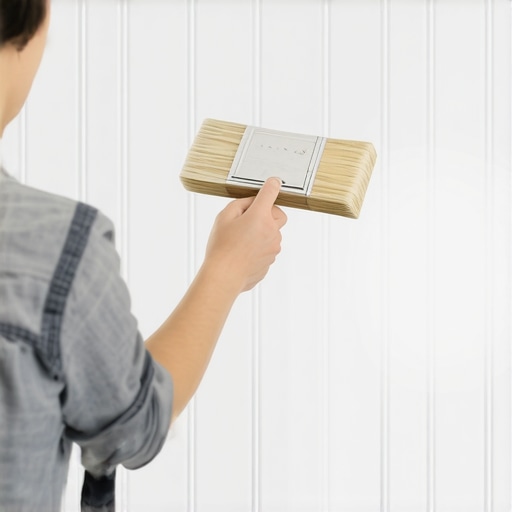 While many DIY enthusiasts and homeowners believe that selecting the right color or type of paint seals the deal, there’s a lot more beneath the surface that can trip you up. A prevalent misconception is that a single coat of high-quality paint suffices, but seasoned painters know that mastering the nuances—like proper surface preparation and understanding paint properties—can dramatically influence the outcome. For instance, skipping the use of a suitable primer for porous or uneven substrates often results in uneven color absorption and premature wear. Additionally, many assume that all brushes and rollers are created equal; however, using subpar tools can lead to streaks, bubbles, and a finish that looks amateurish despite good paint.
Keep It Working with the Right Tools and Maintenance
Achieving professional-looking results in house painting isn’t just about technique; having the essential tools and understanding ongoing maintenance play a crucial role in making your work last. Over time, even the best paint jobs can degrade without proper upkeep, which is why investing in quality equipment and establishing long-term routines are vital.
Invest in High-Quality Equipment
Throughout my years of painting, I’ve learned that choosing durable brushes and rollers makes a significant difference. I personally favor synthetic brushes like Purdy’s Speedhide series because they maintain their shape and provide smoother application, reducing brush marks. For large areas, I use a 9-inch high-density foam roller, which offers impeccable coverage and minimizes splattering—a feature I highly recommend for exterior projects. Additionally, a reliable paint sprayer such as the Graco Magnum series allows for even coats, especially on textured surfaces or ceilings, saving time and ensuring consistency. Remember, tools are an investment; cheap equipment often leads to uneven finishes and increased frustration.
Set Up a Maintenance Schedule
Long-term results depend on regular inspection and touch-ups. I recommend inspecting your painted surfaces every six months—look for signs of peeling, cracking, or mold. Address minor issues promptly to prevent more extensive damage. For instance, sealing small cracks with flexible acrylic caulk before they expand helps maintain the integrity of your paint job. Using a maintenance schedule not only prolongs the life of your paint but also keeps your home looking fresh and well-kept.
Use the Correct Cleaning and Upkeep Methods
Cleaning your brushes and tools properly after each project is essential. I soak brushes in a mixture of warm water and a few drops of mild dish soap, then rinse thoroughly. For rollers and sprayers, I follow manufacturer instructions to prevent clogging or damage. Maintaining tools ensures they stay in top shape for your next project. Moreover, applying a clear sealant or protective coating periodically—especially on exterior surfaces—can shield your paint from weather and UV damage, keeping your home stunning for years.
Embrace Future Trends and Innovations
Looking ahead, advancements in paint technology, such as self-healing coatings or nanotechnology-based finishes, promise longer-lasting results with less maintenance. Staying informed through reputable sources like experts at this master guide can help you adopt innovative techniques that save time and money.
Question: How Do I Maintain My Paint Job Over Time?
The key is consistent inspection and timely touch-ups. Keep an eye out for peeling edges or fading colors, and address issues immediately. Regular cleaning with gentle detergents prevents dirt buildup that can dull the finish. For exterior paint, consider applying a refresh coat of sealant every few years—this step can be as simple as using a spray-on protector that enhances durability. For detailed advice on maintaining your investment, check these expert tips.
If you haven’t already, try upgrading your current brushes to a high-quality synthetic set or experimenting with a maintenance spray designed for exterior finishes. Small investments like these can significantly extend the beauty and functionality of your painted surfaces, saving you money in the long run.
Tools That Last and Make Maintenance Easier
To ensure your tools stand the test of time, store brushes and rollers in airtight containers, and keep spray equipment clean after every use. For high-exposure surfaces, applying a weather-resistant topcoat every few years can help preserve your work and maintain your home’s curb appeal, which you can learn more about at this guide. Remember, investing in quality tools today means fewer headaches tomorrow—so don’t skimp during your next project. For full details on the best tools, consult this comprehensive resource.
Lessons I Wish I Had Learned From Heavy-Duty Painting Mishaps
One of my toughest lessons was realizing that not all brushes are equal—cheap brushes may save money upfront but cost hours in touch-ups. I also discovered that always testing your finish on a small hidden wall area reveals unexpected sheen or color issues, saving headaches later. Remember, patience with surface prep—properly cleaning and repairing before painting—pays dividends in the smoothness and longevity of your work. Lastly, I underestimated how important choosing the right finish is; satin transform my bathroom walls into resilient, beautiful spaces that last. These insights shaped my approach and can elevate your painting results more than you might expect.
My Go-To Resources for Elevating Your House Painting Skills
For those serious about perfecting their craft, this comprehensive guide offers invaluable professional techniques that save you time and frustration. I trust this recent resource because it combines cutting-edge innovations with practical advice, keeping me ahead in the game. Additionally, checking in with seasoned painters at local painting insights helps connect me with community expertise and trusted techniques. These sources have been instrumental in consistently improving my results and confidence.
Your Next Big Home Makeover Starts Today
Thinking about your next painting project? Remember, the right choices—like selecting a durable satin finish and investing in quality tools—can turn a simple coat of paint into a lasting masterpiece. Embrace the learning process, use trusted resources, and don’t shy away from experimenting with new techniques. Your home’s transformation is within reach, and every brushstroke brings you closer to that flawless finish you envision. So go ahead—paint your space with confidence, knowing you have the insight and tools to succeed. Have you ever faced a stubborn wall or tricky corner? Share your experience below, and let’s inspire each other to master the art of house painting.