

I remember the first time I dove into painting my own house, full of excitement and a dash of naivety. I grabbed a supposedly “excellent deal” on a paintbrush at my local hardware store, thinking, “How bad could it be?” It wasn’t long before I realized I’d made a costly mistake—bristles shedding into my fresh paint, uneven strokes, and a frustrating mess that set me back hours. The worst part? The entire trim job suffered, and I knew I’d have to redo it if I wanted a professional finish.
Catch the Cheap Brush Trap Before It Ruins Your Project
If you’ve ever started a painting project only to be halted by a poor-quality brush, you’re not alone. The truth is, investing in a decent paintbrush is one of the most overlooked steps in achieving a flawless finish. Cheap brushes might seem like a smart savings initially, but they often end up costing you more in time, effort, and subpar results. Today, I aim to share what I’ve learned about spotting a truly good paintbrush before it sabotages your work.
Are Bargain Brushes Really Worth the Hype?
Early on, I made the mistake of assuming that all paintbrushes are created equal. I used the cheapest option available, thinking, “It’s just a brush—how complicated can it be?” Turns out, quite a lot. A poor-quality brush can leave streaks, shed bristles onto your walls, and require additional sanding and touch-ups. According to experts, a quality brush not only applies paint more evenly but also lasts longer, making it a smarter investment (source: Elite Painter Pro).
In my experience, the biggest mistake is overlooking the importance of the brush’s material and construction. Shoddy handles, loose bristles, and poorly made ferrules are common signs of a brush that will let you down. Ensuring you select the right brush can save you time, money, and the headache of redoing your work. Next, let’s explore how to identify quality at a glance and avoid falling into the trap of cheap tools that sabotage your project from the start.
Inspect the Brush Handle and Ferrule for Durability
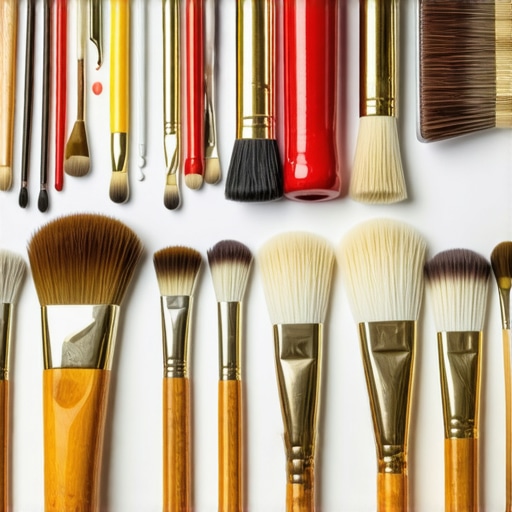
Start by examining the handle; it should feel solid and comfortable, not flimsy or splintered. A sturdy ferrule— the metal part connecting the bristles to the handle—must be tightly attached without wiggle. During my last purchase, I tested a few brushes by gently tugging the bristles; only those with firm ferrules survived my tug test, indicating better construction and longer lifespan. This prevents bristles from shedding mid-painting, saving you time and frustration.
Evaluate Bristle Material Based on Your Project
Natural vs. Synthetic Bristles
Natural bristles, like sable, excel at applying oil paints smoothly, but they can absorb water and lose shape. Synthetic brushes, made from nylon or polyester, are better suited for latex and water-based paints—they hold shape and are easier to clean. I once used a natural bristle brush for a latex wall, which led to uneven strokes and bristle loss; switching to synthetic improved my efficiency and finish. Match your brush material with your paint type for optimal results.
Shape and Size Matter
For cutting edges and detailed work, a smaller 1-2 inch angled brush is ideal. For large wall areas, a 3-4 inch flat brush covers more surface quickly. During my recent living room repaint, I used a 2.5-inch angled brush for corners and trim; it offered precision without sacrificing speed. Choosing the right shape and size prevents streaks and makes your work smoother.
Test the Bristle Density and Flexibility
Run your fingers through the bristles; they should be densely packed without gaps. Flexibility allows the brush to spread paint evenly without gaping or shedding. I once tried a sparse brush on my ceiling—battle with uneven coverage and stray bristles. A denser, well-flexible brush ensures a smooth, uniform layer, especially important for ceilings and walls alike.
Prioritize Ease of Cleaning and Maintenance
After painting, brushes should be easy to wash. Synthetic brushes with fewer bristles tend to clean faster, reducing downtime. I recommend choosing brushes that are compatible with cleaning products like soap and water or solvents. Proper maintenance extends your brush’s life and keeps its performance consistent. For complex projects, investing in a quality brush that cleans easily saves money and effort in the long run.
Use a Micro-Story to Solidify Technique
Last summer, I purchased a mid-tier brush after inspecting the handle, ferrule, and bristles meticulously. During my project, I noticed that the bristles maintained their shape even after multiple washes, and the paint application was smooth and streak-free. The investment paid off—avoiding the pitfalls of shedding and uneven coverage. Remember, choosing a quality brush isn’t just about initial cost; it’s about a flawless finish and less rework.
For more tips on house painting techniques, check out this comprehensive guide.
Many homeowners and even some professionals fall into misconceptions about local house painting, often choosing shortcuts that compromise quality. A widespread myth is that all paint is created equal, leading many to opt for the cheapest options assuming they perform similarly. However, as expert painters emphasize, the quality of pigments, binders, and finish significantly impacts durability and appearance. For instance, low-quality paints may initially seem cost-effective but tend to chalk, fade, or peel faster, increasing long-term costs and frustration.
Are Premium Paints Just a Luxury or a Necessity for Lasting Results?
Contrary to popular belief, investing in high-quality paints isn’t merely a premium choice; it’s often essential for demanding surfaces or weather conditions. Premium paints contain better pigments and binders, offering superior adhesion, stretch, and resistance to environmental factors. A study published in the Journal of Coatings Technology highlights how advanced formulations improve longevity and aesthetic appeal, especially in areas exposed to sun, rain, or pollution. Recognizing these nuances allows you to choose a product that truly meets your project’s needs, rather than settling for mid-range options that may fall short over time. Another common mistake is underestimating surface preparation. Many skip critical steps like cleaning, sanding, or priming, believing that fresh paint can cover all flaws. This oversight causes uneven coverage, poor adhesion, and premature failure. Proper surface prep, though seemingly time-consuming, is a cornerstone of professional-grade results that last years longer. For in-depth strategies on proper preparation, explore the comprehensive guides at this resource. When considering color selection, some underestimate the impact of underlying hues or textures on final appearance. Myths about gloss levels’ hiding power often lead to choosing inappropriate finishes. For example, semi-gloss may highlight surface imperfections, while matte can hide them effectively. Advanced painters know that understanding the interplay between finish, color, and surface texture is crucial for achieving the desired aesthetic. Do you want to dive deeper into expert techniques that elevate your painting results? Check out this advanced guide for more insights. Remember, the road to a professional-looking paint job isn’t paved solely with good tools or cheap shortcuts; it’s about understanding the nuances that make a difference. Have you ever fallen into this trap? Let me know in the comments! For more detailed tips on selecting the right materials and techniques, visit this resource, and transform your home with confidence.
Maintaining your painting tools and techniques over time is essential to ensure long-term results and to make scaling up your projects more efficient. Personally, I rely on a few specialized tools and methods that make my workflow smoother and my finishes more durable. One of the game-changers has been investing in high-quality extension poles that fit my rollers snugly. They allow me to reach ceilings and high walls without constantly changing positions or risking cluttered, uneven strokes, as I detailed in my article on mastering painting techniques. Additionally, maintaining my brushes and rollers with a dedicated cleaning station has extended their usability significantly.
How do I maintain my painting tools over time?
To keep brushes and rollers performing at their best, I use a combination of warm water, mild soap, and a rinse-through with a vinegar solution for stubborn paint residues. For brushes, I particularly focus on reshaping the bristles after cleaning to preserve their shape, which prevents uneven application or shedding. I also invest in a quality solvent or paint thinner for oil-based paints, ensuring that tools don’t deteriorate prematurely. By regularly inspecting ferrules for loose bristles and handles for splinters, I catch potential issues early, saving me time and money. When scaling projects, it’s advantageous to have a handful of interchangeable brushes of different sizes, which reduces downtime switching tools. To streamline the process further, I use digital project planners and checklists, which help me schedule maintenance and order replacements proactively.
Looking ahead, I predict that automation and smarter storage solutions will dominate painting tool maintenance. Innovations like self-cleaning brushes or UV sterilization chambers might become standard, further extending tool life and hygiene. For now, sticking to proven practices—like regular cleaning, proper storage in a dry environment, and handling brushes carefully—will sustain your tools and results for years.
Scalability tips for local house painting ventures
When taking on larger projects, having a reliable set of tools and a systematic maintenance routine allows you to scale without sacrificing quality. For example, using ergonomic paint sprayers with adjustable pressure controls ensures consistent spray patterns across different surfaces, reducing repainting needs. Furthermore, investing in a robust multimeter for checking electrical outlets or lighting circuits before painting can prevent accidents and rework, as emphasized in this guide. Properly maintained tools result in faster completion times and better aesthetics, making your business more profitable and your clients happier.
Take a cue from these practices: start with one advanced tool or technique each month, then incorporate it into your routine. For example, try integrating a specialized extension pole for high walls or a new cleaning solution for brushes. These small investments compound over time, elevating your craftsmanship and efficiency. Remember, tools and maintenance are the backbone of successful, long-lasting results in house painting—embrace smart routines now for a smoother ride ahead!
The Hardest Lesson I Learned About local painting,house painting,painting
One of my biggest realizations was that even the most advanced tools can’t compensate for neglecting surface preparation. Skipping priming or sanding might save time upfront, but it often leads to peeling, uneven finishes, and frustration down the line. Paying attention to these details is what separates a quick patch job from a professional transformation.
3 Myths About local painting,house painting,painting That Held Me Back
I believed that expensive brushes automatically guarantee a great finish, or that choosing the right paint color is all that matters. Breaking free from these misconceptions taught me that technique, patience, and proper tools are what truly drive quality results. Don’t fall for superficial fixes—long-term success is built step by step.
What Experts Won’t Tell You About local painting,house painting,painting
Many top painters keep their best-kept secrets close—like how to prolong the lifespan of brushes or how to prepare surfaces to resist weathering. By learning these insider tricks, homeowners can save money and achieve professional results without breaking the bank. It’s about working smarter, not just harder.
My Essential Toolkit for local painting,house painting,painting
Over the years, I’ve come to trust specific tools that never let me down: high-quality extension poles for effortless reach, durable paint sprayers with adjustable pressure, and spot-repair brushes for intricate details. These essentials have transformed my workflow by making it more efficient and less stressful.
Books That Changed How I View local painting,house painting,painting
If you’re eager to elevate your skills, I highly recommend “The Ultimate Guide to House Painting”—a comprehensive resource that covers everything from surface prep to finishing touches. It opened my eyes to techniques and insights that I still apply today, helping me deliver lasting beauty in every project.
Where to Go from Here
Now that you’re equipped with insider wisdom and trusted tools, it’s time to take action. Start small: practice proper surface preparation, select quality brushes, and maintain your tools diligently. Every brush stroke adds to your mastery, moving you closer to professional results. Remember, continuous learning and mindful effort are your best allies in this journey. Want more detailed advice on selecting the perfect paint or troubleshooting common issues? Explore this resource to keep refining your craft.
Your Turn to Elevate Your Home’s Look
What has been your biggest challenge when tackling a house painting project, and how did you overcome it? Share your experience below—I’d love to hear your story and help you find solutions to get that flawless finish you deserve.