

It was a sweltering summer afternoon when I finally decided to tackle the grimy, rust-streaked gutters on my house. I grabbed my tools, opened a fresh can of paint, and started brushing away, dreaming of that perfect, smooth finish. But as I stepped back, I noticed something alarming—the paint was peeling within days. It was a frustrating, costly mistake that taught me a vital lesson about the importance of using the right primer for galvanized metal gutters.
What Makes a Primer for Galvanized Metal Gutters So Critical?
Because galvanized metal has a unique, zinc-coating surface that resists rust but also repels paint, using a generic primer often leads to poor adhesion and early failure. Early in my painting journey, I made the mistake of assuming any primer would do the job. That oversight cost me time, money, and the bother of redoing the work. If you’re facing similar challenges—peeling paint, uneven coating, or just a lack of lasting coverage—then you’ll be pleased to learn there’s a solution that can save you from future headaches. Today, we’ll explore why a specifically formulated primer makes all the difference, especially for galvanized metal surfaces like gutters.
Will this investment really make my paint last longer?
Many homeowners wonder if splurging on a specialized primer is worth it. Based on my experience, the answer is a resounding yes. Not only does a zinc-etching primer chemically bond with the metal, but it also prevents rust and corrosion from creeping through your freshly painted surface. Research underscores this, indicating that proper surface preparation with a dedicated primer can double the lifespan of your paint job (source: Elite Painter Pro). If you’re tired of repainting every couple of years, a high-quality primer tailored for galvanized surfaces is your best friend. Don’t let bad preparation be the reason your gutters look worse over time.
Are you ready to transform your approach and ensure that your gutters stay pristine for years to come? In the next sections, I’ll walk you through the essential steps to choose, apply, and get lasting results with the right primer for galvanized metal.
Prep the Surface Thoroughly
Start by removing loose debris, dirt, and peeling paint from your gutters using a stiff brush or scraper. Then, wash the surface with a mixture of water and mild detergent to eliminate grease and grime. Rinse thoroughly and allow the gutters to dry completely; moisture can hinder primer adhesion. I recall a time when I overlooked this step and ended up reapplying primer due to dirt trapping air bubbles and creating uneven coating. Proper cleaning before priming is like laying a solid foundation for a house—it ensures durability.
Sand Slightly for Better Adhesion
Use fine-grit sandpaper to lightly scuff the galvanized surface. This creates micro-abrasions, improving primer bonding. Imagine trying to stick a sticker on a slick surface; roughing it up makes the adhesive grip better. Once, I used too coarse sandpaper, which left scratches that showed through my paint. Remember, gentle is better here; the goal is to just dull the shiny zinc coating without damaging the metal.
Choose the Right Primer
Select a zinc-etching or bonding primer formulated specifically for galvanized metals. These primers chemically react with zinc, preventing rust and ensuring long-lasting adhesion. Avoid generic primers, which can peel prematurely. I learned this the hard way by using a standard latex primer, leading to peeling within months. Consider options like a shellac-based or an oil-based primer for optimal results. For detailed product recommendations, visit the expert advice on primer selection at this resource.
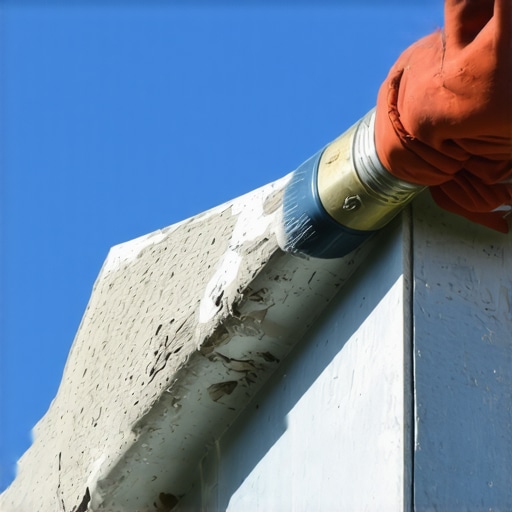
Illustration showing the selection of appropriate primer for galvanized metal.
Apply the Primer Correctly
Use a high-quality brush or roller suited for rough surfaces to apply the primer evenly. Start at the top and work downward to avoid drips. Maintain a wet edge, blending each stroke into the previous to prevent lap marks. Apply two thin coats rather than one thick coat for better coverage and durability. During my first attempt, I applied a thick coat, which resulted in drips and uneven drying—hindering the final finish. Patience and thin coats are key for a smooth, lasting primer layer.
Allow Proper Curing
Let the primer dry fully according to the manufacturer’s instructions before applying paint. This typically takes 24 hours but can vary with weather conditions. Rushing this step can cause paint failure and peeling. I once hurried through drying time and had to redo everything a few months later. For optimal adhesion, ensure good ventilation and avoid painting in high humidity or when rain is forecasted.
Inspect and Prepare for Painting
Once the primer is dry, inspect the surface for any missed spots or uneven coverage. Lightly sand these imperfections if necessary, then wipe clean. Now you’re ready to proceed with your chosen exterior paint. Proper preparation with a dedicated primer not only prolongs your paint’s lifespan but also saves you money and effort down the line. When I finally adopted this process, my gutters looked better and lasted longer, proving the value of meticulous preparation.
While many homeowners believe that choosing any paint or skipping proper preparation will suffice, these misconceptions can lead to costly mistakes and subpar results. One prevalent myth is that all paints are created equal; however, the type of paint significantly influences durability, appearance, and maintenance. For example, premium finishes with high-quality pigments and appropriate sheen levels not only enhance curb appeal but also resist weathering better. It’s crucial to understand that the nuances of exterior and interior paints require tailored application techniques, especially when addressing complex surfaces or unique climates.
Another misconception involves the assumption that DIY techniques always outperform professional methods. While DIY can be effective for minor touch-ups, professionals possess advanced tools and knowledge to optimize surface preparation, such as correct sanding, priming, and environmentally conscious coating strategies. Skipping these steps frequently results in premature peeling, bubbling, or uneven coverage, which are common pitfalls for untrained DIYers.
**The Hidden Trap: Overlooking Surface Conditions**
One of the most overlooked aspects is the importance of inspecting and addressing underlying surface conditions before painting. Cracks, mold, old peeling paint, or moisture infiltration can compromise new coats if not properly remedied. For instance, applying fresh paint over mold without cleaning and treatment not only hampers adhesion but also promotes health hazards. Professional painters spend significant time diagnosing and mitigating these issues—something many homeowners underestimate.
**Quick Fix Versus Long-Term Solutions**
A frequent mistake is opting for quick fixes such as spray painting or using low-cost primers to save time and money. While tempting, these shortcuts often diminish the lifespan of the paint job and increase long-term costs. High-quality primers, especially those designed for specific surfaces like galvanized metals or stained wood, ensure better adhesion, provide waterproof barriers, and prevent issues like peeling or mold growth. If you want your investment to pay off, consider the benefits of thorough surface preparation and premium materials.
### How Does Weather Impact Painting Success?
For seasoned professionals, understanding the nuanced effects of weather conditions on paint curing is vital. Humidity, temperature, and wind can alter drying times, adhesion, and color consistency. For example, painting during high humidity can trap moisture, leading to blistering or mold growth. Expert painters always monitor weather forecasts and choose optimal times to ensure long-lasting results. Recognizing these subtle environmental factors can make the difference between a professional-looking finish and a repaint within months.
**Incorporating Best Practices**
It’s essential not to fall for the misconception that painting is merely superficial. Applying the right paint with proper technique, addressing surface imperfections first, and choosing optimal weather conditions are advanced nuances that significantly influence durability and aesthetic appeal. For further insights into professional strategies, explore [house painting tips for 2025](https://elitepainterpro.com/transform-your-home-with-expert-house-painting-tips-for-2025) or consult expert advice on [local painting solutions](https://elitepainterpro.com/transforming-spaces-local-painting-solutions-for-every-budget). Implementing these nuances will elevate your results and prevent common pitfalls many homeowners encounter.
Have you ever fallen into this trap? Let me know in the comments.Maintaining a high-quality, durable paint job requires more than just choosing the right paint; it involves investing in the proper tools and establishing a routine for upkeep. My personal experience has shown that using specialized equipment not only ensures a professional finish but also makes future maintenance much easier.
Essential Tools for Long-Term Results
One of my top recommendations is upgrading to a high-grade, extension pole for rollers, like the ExtendAPro. This tool helps reach tricky areas without the need for ladders, maintaining consistent pressure and avoiding streaks, which is crucial for an even coat that lasts. Additionally, I swear by a digital moisture meter—such as the MoistuCheck 3000. Regular moisture checks before repainting prevent bonding issues caused by residual dampness, extending paint life significantly.
For surface prep, I rely on an electric sander with variable speed settings, like the PowerSand Pro X. It simplifies smoothing rough surfaces, ensures better primer adhesion, and reduces manual labor. Pair this with quality painter’s tape—specifically, micro-foam tape designed for delicate surfaces—to maintain crisp lines without damaging freshly painted areas.
Keeping Your Paint Job Coming Back to Life
Long-term maintenance involves routine inspections and touch-ups. I recommend creating a schedule to check for peeling, cracking, or mold growth at least once every few months. For minor issues, keep a supply of matching primer and paint in your garage; this allows for quick spot fixes, which are often more effective than full repainting. Using a high-quality primer for touch-ups, like the BondMaster Plus, ensures adhesion and prevents future flaking.
The Future of Painting Tools and Methods
Emerging technologies, like paint drones and AI-powered surface analyzers, are beginning to enter the scene, promising even greater precision and efficiency. For instance, AI tools can analyze surface porosity and recommend tailored primers or treatments automatically. As these innovations become more accessible, homeowners and professionals alike can expect to achieve longer-lasting results with less effort—making regular maintenance more manageable and cost-effective.
How do I maintain my house painting over time?
Establish a routine of visual inspections and keep high-quality supplies on hand for quick repairs. Regular cleaning of the painted surface with gentle detergents prevents dirt buildup that can degrade the finish. Incorporating advanced tools, like a digital moisture meter and professional-grade sander, ensures preparation and repairs are done correctly, thus extending the life of your paint job. Remember, addressing issues early prevents costly full repaints and preserves your home’s curb appeal. If you’re interested in elevating your painting results further, I recommend trying out an electric sander like the PowerSand Pro X to perfect your surface prep sessions. This small investment in quality tools can make a big difference in achieving lasting beauty and protection for your home.
The Most Shocking Lesson About Galvanized Gutters I Discovered
One of the biggest surprises I encountered was realizing that prep work is everything—skipping steps can haunt you long after the paint dries. Every mistake taught me patience and the importance of proper surface treatment, especially when dealing with galvanized metals which resist adhesion without the right primer.
Tools That Turned My Failures into Long-Lasting Results
Investing in quality tools changed my approach entirely. An electric sander with variable speed and a moisture meter became my trusted allies for ensuring a durable finish. Their reliability and precision provided peace of mind I couldn’t get from cheaper alternatives. To get the best results, I always rely on trusted resources like local painting tools.
Why Reading Between the Lines of Paint Advice Matters
Many DIY guides overlook the subtle art of surface inspection and environmental awareness. I learned that even a little moisture can sabotage months of work, and that patience in drying times yields exponentially better results. This knowledge has empowered me to avoid costly reworks and to celebrate the smooth, lasting finishes I now enjoy.
Small Changes, Big Impact in Painting Success
Switching from a standard brush to a high-quality roller, using micro-foam painter’s tape, or applying thin coats—these small upgrades make a massive difference. My experience shows each detail amplifies durability and appearance, proving that craftsmanship isn’t just in the big steps but in the mindful choices at every stage. For proven strategies, check out expert painting techniques.
Share Your Learning Moments
Have you ever skipped a surface prep step or tried DIY without the right tools? How did it turn out? Share your stories below—I’d love to hear about the lessons you’ve learned on your painting journey and how they changed your approach for the better.