

Have you ever stared at a freshly painted wall and suddenly been overwhelmed by that familiar, stubborn smoke odor? It hits you unexpectedly—perhaps when you’re finally ready to unveil your home’s new look after a renovation or a deep clean. I remember my own lightbulb moment when I realized that no matter how fresh my paint was, the lingering smoke smell threatened to ruin the whole space. That realization sparked a quest I’d like to share, hoping it can save you from the same frustrating experience.
The Unsuspected Odor Sabotage in Your Painting Projects
In my early days of painting, I overlooked an essential step: neutralizing smoke odors before priming. It seemed like an unnecessary extra, and honestly, I was eager to get the job done. But once I started rolling the paint, the smell returned more stubborn than ever—resisting even the strongest primers I used. This mistake cost me time, extra materials, and a ton of unnecessary frustration. Over time, I discovered a simple, proven method to neutralize smoke smells effectively before priming, transforming my approach and results.
Is a Smell Around Every Corner Worth the Hype?
Many skepticism or worry that these odor-neutralizing tricks might be overhyped or ineffective—trust me, I almost dismissed them myself. But that’s where I went wrong. The key is understanding that smoke odor molecules cling to surfaces and require specific treatments before sealing them in with paint. Without proper neutralization, the smell can bleed through the new paintjob, making your fresh walls seem old and musty no matter how many coats you apply. Early on, I also learned the hard way to avoid using standard cleaning methods that might seem enough but actually leave residual odors behind, such as just wiping the walls with soap and water. For more insights on common mistakes, check out this article on kitchen wall cleaning pitfalls.
This post is about a straightforward, effective way to neutralize smoke smells before you prime, so your paint has the best chance to look and smell fresh for years to come. Ready to stop odors in their tracks? Let’s dive into the simple steps that will make all the difference.
Prepare Your Space: Clear and Protect
Start by removing all furniture, curtains, and items that can trap smoke particles. Cover non-movable fixtures with plastic sheeting to prevent contamination. Think of it as setting the stage — you want a clean environment for your chemical treatments to work efficiently.
Initial Cleaning: Break the Odor’s Grip
Use a solution of warm water and a degreasing cleaner to wipe down all surfaces. This removes the surface residues that hold smoke molecules. For stubborn spots, a mixture of white vinegar and water can be more effective. Remember, this step is akin to scrubbing away the fortress walls that trap odors, making subsequent treatments more successful.
Apply Odor Neutralizer: Dive Into Action
Use a specialized odor neutralizer or a solution of baking soda dissolved in water. Spray or wipe this over all walls, ceilings, and surfaces. Let it sit for at least 30 minutes to allow binding of odor molecules. I recall my first time trying this: I applied a generous amount, waited patiently, and noticed the smell fading within hours, even in the most stubborn corners — a real game-changer.
Using Activated Charcoal
For lingering smells, place bowls of activated charcoal in the room, especially in corners and hidden spots. This natural absorber reduces residual odors over several days. Think of it as a sponge soaking up every bit of smoke scent, leaving the room fresh for primer application. For more tips on preparing surfaces, check out kitchen wall cleaning pitfalls.
Final Rinse and Drying: Seal the Deal
After the neutralizer has done its job, rinse the surfaces with clean water to remove any residual treatments that could interfere with paint adhesion. Allow everything to dry thoroughly — at least 24 hours — to prevent moisture from trapping odors or compromising primer bonding. This step is critical: a damp surface is like a sponge waiting to absorb more odors or cause paint to bubble later.
Test Before Painting: Be Certain
Perform the rubbing alcohol test found here. Dampen a small cloth with rubbing alcohol and wipe a section of the wall. If the odor diminishes, you’re ready to prime. If not, repeat the neutralization process — patience here ensures your fresh paint won’t carry old smells.
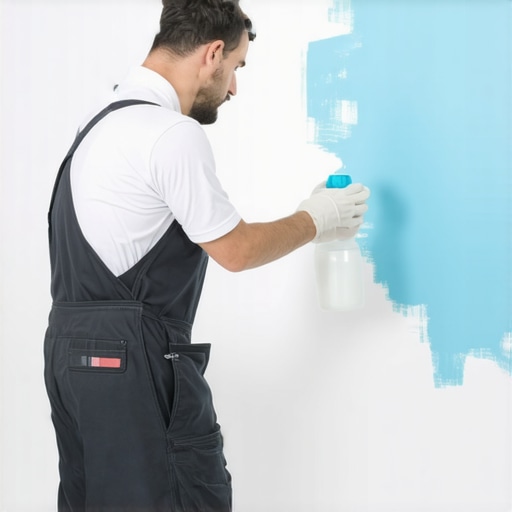 Many homeowners and even some DIY enthusiasts believe they know everything about house painting, but several misconceptions can lead to costly mistakes. One common myth is that applying multiple coats of cheap paint can achieve the same result as a high-quality product in fewer coats — but in reality, lower-quality paints often require more coats, increasing both time and expense. Another misconception is that primer isn’t always necessary; however, depending on surface conditions, skipping primer can lead to uneven finishes and poor adhesion, resulting in your paint failing prematurely. It’s crucial to recognize these nuances to ensure durability and a professional look.
A frequent trap is relying solely on color to mask surface imperfections. While a bold hue can draw attention away from flaws, using high-quality flat or matte paints effectively hides imperfections compared to glossier finishes. Additionally, many overlook the importance of surface prep; neglecting proper cleaning and sanding can cause peeling and uneven textures, ultimately wasting your effort and money. Remember, even small details like filling nail holes and sanding rough patches contribute significantly to a flawless outcome.
Why do some paints take more coats than others, and is quality really that different?
Understanding the chemistry behind paint formulations reveals why some brands need more coats. For instance, pigments in low-quality paints often have larger particles and less opacity, meaning they don’t cover the previous layer well. Conversely, higher-end paints contain finer particles and better binders, providing superior coverage and color richness in fewer coats. Studies suggest that investing in high-quality paint can reduce overall labor time and improve durability, saving you money in the long run. For expert advice, check out this guide on spotting low-quality pigments.
Another nuance involves temperature and humidity, which most overlook during painting. Applying paint in conditions outside the recommended range can extend drying times and affect finish uniformity. For instance, painting in high humidity can cause the paint to bubble or sag, leading to rework and delays. Be sure to consult the humidity guidelines for painting outdoors to avoid these pitfalls.
Finally, many underestimate the importance of proper lighting during painting inspections. Natural light reveals imperfections that artificial light might hide, ensuring a truly flawless finish. Ignoring this step might lead you to miss surface flaws until it’s too late. To perfect your technique, explore methods for better lighting at your job site.
Have you ever fallen into this trap? Let me know in the comments. Mastering these nuances can elevate your painting projects from amateurish to professional—so pay attention to the details and reap the lasting benefits.
Keep Your Painting Equipment in Top Shape
One of the most overlooked aspects of professional-looking, durable paint jobs is maintaining your tools properly. I recommend investing in a high-quality paint sprayer, such as the Wagner Control Pro 150, which offers adjustable pressure control for precise application, reducing overspray and waste. Regular cleaning after each use not only extends the lifespan of your equipment but also ensures consistent coverage. Use the vinegar trick for cleaning spray tips and nozzles—soaking parts in a vinegar solution dissolves paint residue and prevents clogging, as detailed here.
Choose the Right Paint and Primer for Longevity
Selecting quality products is crucial—don’t skimp on the primer or paint for the sake of saving money. I personally favor Benjamin Moore’s Aura line for interior walls because of its excellent coverage and resistance to fading. For exterior projects, Sherwin-Williams Duration is my go-to item due to its superior weather resistance. Ensure your surfaces are properly prepared before applying—this includes filling small nail holes with fast-setting spackle, which saves time and guarantees a smoother finish. Learn more about avoiding common filler issues by visiting this guide.
Implement a Routine for Long-Term Maintenance
Maintaining your freshly painted walls extends beyond the initial project. Regular cleaning with gentle solutions prevents buildup—use a damp cloth with a bit of dish soap or vinegar, as suggested here. Additionally, inspect your surfaces periodically for signs of wear or damage. Addressing small issues immediately—like chipping or peeling paint—can prevent costly repairs later. Applying a scuff-resistant coating on high-traffic areas ensures longevity and keeps maintenance manageable. For choosing the best products, check out this post.
Scale Up With Smart Tools and Techniques
As your skills grow, consider upgrading to smarter equipment that accelerates tasks without sacrificing quality. I recommend cordless paint sprayers like the Graco Magnum 257025, which offers mobility and adjustable flow control—perfect for larger projects or tricky angles. Pair this with a versatile extension pole to reach ceilings or high walls effortlessly. Using a level or laser guide during application helps maintain a perfectly straight, professional appearance, especially when working on long lines or edges. Keep your workspace clean and organized using magnetic tool holders or wall-mounted racks; this minimizes accidents and keeps your equipment ready for the next job. Learn about advanced techniques from experts in local painting, and don’t hesitate to experiment with tools to find your perfect setup.
How do I maintain my painting tools over time?
The key to long-lasting tools is consistent cleaning and proper storage. After each use, disassemble sprayer tips and soak them in a vinegar solution to prevent clogging. Store brushes and rollers in sealed bags with a damp cloth to keep the nap moist, extending their usability. Check manufacturer recommendations regularly, as improper maintenance can lead to coating buildup or equipment failure. By staying proactive, you’ll save money and ensure your tools perform flawlessly on every project. Want to keep your brushes in perfect condition? Explore this detailed method.
What I Wish I Knew About Odor Control Before Starting
One of my toughest lessons was realizing that no matter how perfect my painting technique, stubborn smoke odors could sabotage the entire project. It taught me the importance of pre-treatment and that patience in neutralizing odors pays off with flawless results. I also learned that small, overlooked steps—like thorough cleaning and proper drying—are essential to long-lasting, fresh finishes. This experience underscored that success in painting is as much about preparation as it is about execution.
Tools and Tips That Made a Difference in My Projects
Over the years, I found that high-quality odor neutralizers and natural absorbers like activated charcoal can make a dramatic difference. Using a dedicated solution of baking soda or a specialized odor neutralizer before primer significantly reduced residual smells. Additionally, investing in good tools—such as a reliable sprayer and quality brushes—ensures cleaner, smoother finishes. Combining these tools with my knowledge, I was able to turn imperfect spaces into fresh, inviting rooms that truly stand out.
Embrace the Painter Within: Your Next Step Awaits
Remember, mastering odor neutralization and surface preparation transforms your space—and your confidence. Each project is an opportunity to learn and improve. With patience and the right approach, you can achieve professional results that last. Don’t let lingering smells hold you back; instead, see them as a challenge to conquer on your journey to becoming a household painting hero. Now’s your chance—roll up your sleeves and start your next project with fresh insight and enthusiasm. How will you implement these tips on your upcoming painting adventure? Share your plans below and inspire others to elevate their craft.