

It was a sunny Saturday afternoon when I attempted to freshen up my beloved brick house. I grabbed a standard latex paint, the kind I saw everyone using at the local hardware store. I thought, "How hard can it be? Quick coat, fresh look." But within a few months, I watched helplessly as that bright new paint started peeling, bubbling, and even cracking—detracting from the rustic charm I was eager to revive. That lightbulb moment hit me hard: painting a brick house with typical latex paint isn't just a bad idea; it's a surefire way to waste your time and money.
Discover the Secret to Lasting Brick Looks
After a lot of research and trial-and-error, I uncovered the truth that most homeowners overlook: not all paints are created equal for exterior brick. Specifically, the conventional latex paints many use are ill-suited for brick surfaces due to their composition and flexibility issues. I learned that using specialized paints designed for masonry can prevent cracking and peeling, creating a durable, weather-resistant finish. Ready to find out how to choose the right product and avoid my costly mistakes? Let's dive into the details that can save your house—and your sanity.
Is Your Paint Actually Worth the Hype?
At first, I believed that a simple coat of cheap, readily available latex was enough. It seemed like a quick fix. But I soon realized I was setting myself up for failure when I noticed patches of paint peeling off after just a few rainy seasons. Early in my project, I made the mistake of skipping proper surface prep, which exacerbated the problem. I now know that prep is critical—more on that later. For homeowners wondering if the paint they're considering is truly suitable for brick, I suggest looking beyond labels and checking out the difference between latex and acrylic paints. Understanding these nuances can make all the difference in achieving a lasting finish.
So, if you've faced similar frustrations, you're not alone. Let's explore the proven methods to keep your brick looking stunning and intact for years to come.
,
Prepare the Surface Thoroughly
My first mistake was jumping into painting without proper prep. I cleaned the brick with a high-pressure washer, removing dirt and loose mortar. Then, I examined the surface for any cracks or holes, filling them with a suitable mortar patch. This initial step is crucial; neglecting it leads to peeling and bubbling later. For detailed instructions on treating old, oil-finished bricks before painting, check out proper surface prep techniques.
Choose the Right Paint and Primer
After research, I opted for a high-quality masonry acrylic paint paired with a bonding primer. Unlike standard latex, masonry paints are formulated to adhere to porous brick and withstand weathering. Applying a primer helps seal the surface, reducing the chance of paint failure. I remember struggling initially with brushes getting clogged; to prevent this, I regularly cleaned my brush with the trick of cleaning brushes.
Apply Primer Carefully to Achieve a Smooth Base
Applying primer correctly is key. I used a roller for the large sections and a brush for edges, making sure to work the primer into the rough textured surface. It’s similar to laying a foundation for a house; if not done well, the walls above will suffer. Remember, for surfaces with existing stains or previous paint, see tips on covering stains properly. Let the primer dry thoroughly—at least 24 hours—before proceeding.
Use the Right Painting Technique
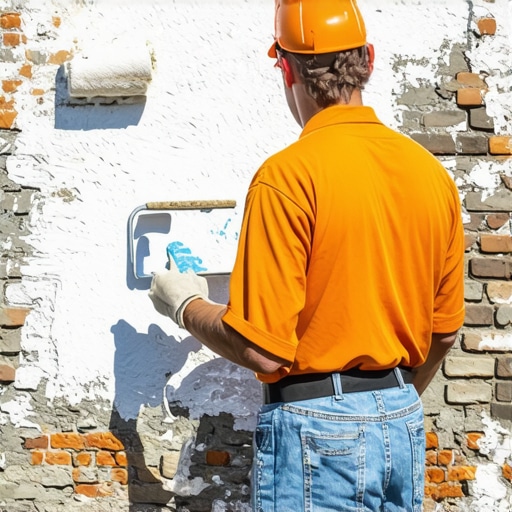
When I started applying paint, I used a high-quality synthetic brush for detailed corners and a roller for large areas. I worked in sections, overlapping slightly to maintain even coverage. To prevent roller fuzz from ruining the finish, I followed the advice on avoiding brush and roller overload. Working in consistent, thin coats allowed the paint to dry uniformly, reducing cracks or bubbles. I also made sure to maintain a wet edge, working quickly to blend each section seamlessly.
Properly Manage Weather Conditions
Timing is everything. I painted on a clear, dry day, avoiding direct sunlight that can cause the paint to dry unevenly. An ideal temperature range of 50-85°F ensures optimal adhesion and cure time. If rain or humidity threaten, postpone your project. Unexpected weather changes can ruin your hard work—like it did when I rushed a brushload in the pouring rain, leading to uneven spots. For advanced strategies on preventing weather-related issues, see weather-aware painting tips.
Many homeowners assume that choosing a good-quality paint and following basic steps guarantees success, but the reality is more nuanced. A common misconception is that any paint labeled as ‘exterior’ or ‘high-quality’ will perform equally well on brick surfaces. In truth, subtle factors like paint composition, primer compatibility, and application methods significantly impact durability. For instance, many overlook the importance of understanding the difference between latex and acrylic paints; this nuance can determine whether your hard work lasts or peels within a year. Research by expert painters suggests that using the wrong type of paint for your surface can result in cracking, bubbling, and unsightly discoloration, despite following all the standard procedures.
Another trap homeowners often fall into is believing that surface preparation is optional or can be shortened to save time. Actually, neglecting thorough prep—such as cleaning, repairing, and priming—can drastically reduce paint adhesion, leading to costly failures. For example, skipping primer or choosing an incompatible primer can cause colors to fade or bleed through, especially when covering stains or previous coatings. To avoid this, consult trusted resources on proper prep techniques, like the comprehensive guides found at proper surface prep methods.
Advanced painters recognize a hidden detail many ignore: environmental factors and timing are critical. Painting in unsuitable weather conditions, such as high humidity or extreme temperatures, can trap moisture under the paint film, causing premature failure. For those seeking long-lasting results, understanding how variables like dew point and UV exposure influence drying and curing is essential. According to studies published by the Paint Quality Institute, even high-grade paints will struggle to perform optimally if applied under adverse conditions.
Furthermore, many believe that applying thick coats speeds up the process, but this is a false economy. Thick layers tend to crack and peel, especially on textured surfaces like brick. Instead, applying multiple thin coats ensures uniform coverage and better adhesion. For expert advice on optimal application techniques, see pro tips on even coats.
To truly master house painting, one must look beyond common assumptions and pay attention to these nuanced details. Doing so saves money, time, and frustration, resulting in a beautiful, enduring finish that stands the test of time. Have you ever fallen into this trap? Let me know in the comments.
How do I keep my paintwork looking new over time?
Maintaining a freshly painted house, especially exterior brick surfaces, requires the right tools and a proactive approach. I rely heavily on a high-quality extension pole coupled with a durable brush for touch-ups. An extension pole allows me to reach high spots without ladder work, reducing fatigue and ensuring even coverage during periodic maintenance. Choosing the right brush is crucial; I prefer brushes like the Filbert brush because it helps preserve the paint layers on textured surfaces and prevents bristle shedding, which can mar the finish.
Equipped with a pressure washer, I periodically clean the brick’s surface to remove dirt and mold, extending the life of the paint. However, I avoid harsh pressure settings that can erode the mortar or surface texture. Using a dedicated outdoor cleaner for brick, I follow manufacturer instructions to eliminate grime without compromising the substrate’s integrity.
What tools make long-term painting results easier?
For me, a quality sprayer is a game-changer, especially when applying topcoats over large areas. It provides a smooth, even finish more efficiently than brushes or rollers, reducing application errors that can cause peeling or uneven wear down the line. I also use a handheld vacuum attachment to clean up paint drips quickly—saving me from the hassle of sanding or repainting.
To monitor the long-term health of my exterior paint, I perform regular inspections, especially after severe weather. A reliable flashlight, like the LED inspection light, helps identify early signs of cracking or peeling that might not be obvious in daylight. Addressing issues promptly avoids costly full repainting.
Growing trends in maintenance and tools
The future of house painting points toward smarter tools—such as moisture meters that detect underlying dampness causing paint failure or IoT-enabled sensors that monitor surface conditions in real-time. I predict that with advancements, homeowners will have more precise control over maintenance schedules, extending paint durability and reducing costs.
For those eager to implement a proactive maintenance routine, I recommend starting with regular surface inspections using a good flashlight, and following up with targeted cleaning using the right tools. Try investing in a quality pressure washer with adjustable settings—taking care not to damage your brick—and schedule bi-annual inspections. This approach will keep your house looking fresh and protected for many years.
Looking back, the most valuable lesson I learned from my house painting journey was that patience and attention to detail trump rushed shortcuts every time. Taking the time to choose the right materials and perfect my technique transformed a potential disaster into a showcase of durability and beauty. I realized that DIY isn’t just about saving money—it’s about respecting the craft and understanding your unique surface. If you’re serious about making your brick house stand out with a lasting finish, embracing these lessons can set you apart from average results.
Lessons That No One Tells You About House Painting
- I once believed that a single thick coat would do the trick, but I learned that multiple thin layers create a resilient barrier that resists weathering.
- Skipping surface prep seemed harmless at first, but I found that properly cleaning and priming are the foundations of a long-lasting paint job—don’t underestimate their power.
- Choosing the wrong paint can mean redoing the work within a few years; investing in high-quality masonry paint paired with a compatible primer changed the game for me.
- Timing your project for optimal weather conditions prevents early peeling and bubbling, saving both money and frustration.
- Environmental factors like humidity and temperature might seem trivial, but they are critical to the curing process—be mindful of forecasts before you start.
My Toolbox for Stunning, Enduring Brick Looks
- Elastomeric Masonry Paint—I’ve come to trust brands that specialize in masonry coatings because they flex with the brick, preventing cracks and peeling.
- High-Quality Primer—A bonded primer ensures adhesion and creates a uniform surface, which is vital for outdoor brick surfaces.
- Painting Tools—From durable rollers to precision brushes, I recommend tools that help you work efficiently and evenly, like the specialized brushes.
- Weather Monitors—Devices that check humidity and temperature have been invaluable in planning my painting schedule.
Embark on Your Painting Adventure with Confidence
Your house deserves the best care and attention to detail, and with the right knowledge and tools, you can achieve professional-looking results that last for years. Embrace the process, respect the materials, and don’t rush the journey. Remember, every brushstroke is an investment in your home’s future—so take your time and enjoy the transformation. What’s one tip you’re eager to try on your next project? Share your plans below, and let’s inspire each other to keep our homes beautiful and enduring.