

I remember the shock I felt the first time I peeled back a corner of freshly painted exterior trim and found it soft, spongy, and clearly rotting underneath. That bright, clean surface I thought I was sealing against the elements was already compromised. It was a lightbulb moment—realizing that paint alone isn’t a cure-all, especially when the wood or material underneath is already on its way out.
The Hidden Enemy Beneath Your Fresh Coat
Have you ever painted over rotting trim, only to find it worse than before?
Many homeowners and even some professional painters fall into the trap of assuming that a good paint job can hide or fix underlying damage. But the truth is, unless you address the rot at its source, all you’re doing is sealing in the decay, which accelerates deterioration and leads to even costlier repairs down the line. Trust me, I made that mistake early on—thinking a quick scrape and a fresh coat would do the trick. Instead, I learned the hard way that ignoring the root cause is a recipe for repeated failures. Did you know that according to the Federal Highway Administration, untreated wood rot can compromise structural integrity within just a few years? That’s right—what seems like a minor issue can turn into major damage fast.
Why This Matters for Your Home and Wallet
Beyond the immediate aesthetic disappointment, rotting trim can lead to water intrusion, mold growth, and even structural weakening if left unchecked. The costs snowball quickly—what starts as a simple repaint can become a full replacement in a few short years. But don’t worry—this isn’t a hopeless situation. With the right knowledge and approach, you can catch early signs of rot and prevent it from worsening. In this post, I’ll walk you through the practical steps I now use to assess, repair, and repaint exterior trim so it stays durable and looking sharp for years. Are you tired of repainting over the same spots year after year? If so, keep reading—because the solution is simpler than you think, and I’ll help you get there step by step.
Assessing the Damage Before You Start
Begin by inspecting your trim carefully. Use a putty knife to gently scrape areas that look suspect—soft, spongy wood indicates rot. If you spot significant decay, plan to replace those sections entirely rather than trying to fix them. Remember, painting over rot only delays the inevitable and can worsen your home’s condition. When I first faced a rotted corner on my porch, I learned the importance of this step firsthand—replacing the rotten piece saved me from ongoing repairs and future headaches.
Removing Loose Paint and Rot
Use a stiff wire brush or scraper to remove peeling paint and loose wood fibers. For stubborn areas, a heat gun can soften the paint, making it easier to scrape without damaging the underlying wood. This preparation is crucial for good adhesion later. I once tried to skip this step, and the new paint peeled off within months. Properly cleaning and scraping ensured a smoother surface and longer-lasting results.
Eliminating Moisture and Cleaning
Before proceeding, make sure the surface is dry. Use a damp cloth or mild detergent to remove dirt, mold, and greasy residues, which can interfere with primer and paint adhesion. Pay special attention to joints and corners. Moisture trapped beneath paint layers can cause peeling—address this by allowing the trim to dry thoroughly. I once painted on a humid day, and the paint bubbled and peeled. Waiting for ideal conditions prevents wasted effort.
Priming the Surface Properly
Apply a high-quality primer designed for exterior use. For areas with stain or bleed-through issues, consider a stain-blocking primer. Priming creates a seal and provides a smooth, uniform surface for paint. Do not skip this step—it’s like laying a foundation before building. I used a bonding primer on a tricky red cedar siding, and it prevented tannin stains from bleeding through the paint, saving me from future touch-ups.
Choosing the Right Paint and Application Technique
Select a durable, exterior-grade paint suitable for your climate. For high-traffic or sun-exposed areas, a high-gloss finish can be tempting but often highlights imperfections; a satin or semi-gloss might be better. Use a good-quality brush or a sprayer for even coverage. When I applied paint with a sprayer, I achieved a smooth finish quickly and efficiently, especially on ornate trim details. Remember, thin coats applied properly yield better, longer-lasting results.
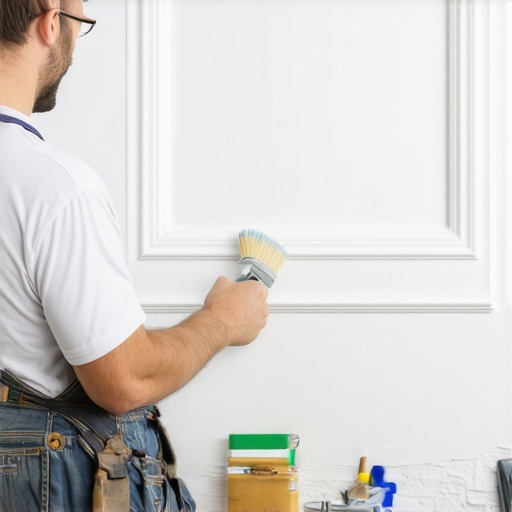
Executing Precise Painting Magic
Start by cutting in along the edges of the trim with a high-quality angled brush, creating a clean line. Work systematically to avoid overlaps and drips. For larger surfaces, use a roller or sprayer, maintaining a consistent speed for even coverage. Don’t rush—multiple thin coats are preferable to one thick one, preventing drips and ensuring durability. I recall rushing through a project and ending up with uneven color and streaks; patience was key to perfection.
Finishing Touches and Proper Curing
Once the final coat is applied, avoid exposing the new paint to rain or heavy dew for at least 24 hours. Proper curing prevents peeling and ensures maximum adhesion. Use painter’s tape carefully to protect adjacent surfaces without ripping off fresh paint. I learned this the hard way when peeling tape caused damage to the new finish. Proper finishing techniques result in a professional-looking job that stands up to the elements.
Many homeowners and even some painters fall prey to misconceptions about house painting that can compromise durability and aesthetic appeal. One prevalent myth is that using a single coat of paint suffices for full coverage and longevity, but in reality, high-quality, multi-coat applications are essential for hiding dark or vibrant underlying colors and ensuring durability, as discussed in this detailed analysis. Another common mistake is neglecting surface preparation—many assume that cleaning is enough, yet proper sanding, priming, and moisture control are critical depending on the material and condition. Overlooking moisture can lead to peeling and bubbling, especially in humid climates, which is why understanding how to test for surface readiness is vital.
People also tend to underestimate the importance of choosing the right finish. For example, high-gloss paints might seem like a good idea for a shiny finish, but they tend to highlight imperfections and are harder to work with, contrary to widespread belief. Opting for a satin or semi-gloss can often provide a better balance of durability and concealment. Additionally, many overlook the hidden costs associated with ignoring wood rot or surface damage, leading to more expensive repairs down the line, as highlighted here.
What about advanced mistakes that even seasoned DIYers can make?
One advanced pitfall is relying solely on cheap tools, like low-quality rollers or brushes, which can cause uneven coating and fiber pullout, affecting paint adhesion and longevity. I’ve seen projects where cheap tools resulted in streaky finishes that took twice as long to correct. Moreover, many skip the essential step of checking surface adhesion through simple tests before painting, such as the tape pull test, which can save you from peeling paint down the line. It’s these nuanced steps, often underestimated, that separate a professional finish from a botched job.
In summary, the key to successful house painting isn’t just about applying fresh color; it’s about understanding these subtleties—proper preparation, material choice, application techniques, and avoiding the hidden traps—that ensure lasting results. For instance, ensuring your surface is properly primed can prevent issues like tannin bleed-through or color fading, especially on wood or composite materials. If you want to dive deeper into some of these advanced aspects, check out this article. Have you ever fallen into this trap? Let me know in the comments.
Keeping your paint job in top shape requires more than just a good brush and quality paint. It involves employing the right tools and establishing a routine maintenance plan that ensures long-term durability. One essential instrument I rely on is a high-quality digital moisture meter, like the Tramex MOISTURE METER, which helps me monitor humidity levels in the surface before and after painting. This tool prevents issues like peeling and bubbling caused by trapped moisture, aligning with best practices outlined in industry standards.
Invest in Professional-Grade Equipment
While affordable tools might work temporarily, investing in professional-grade equipment—such as premium sprayers like the Wagner Control Pro 250—makes a noticeable difference. I prefer these models because they provide consistent pressure and spray patterns, reducing overspray and coat unevenness. This consistency ensures that the finish remains uniform over years, minimizing touch-ups and reapplications. Keep in mind, using the right nozzle size tailored to your paint type enhances atomization, leading to a smoother finish and less material waste.
Establish Routine Inspections
Regularly inspecting your painted surfaces can catch early signs of wear or damage. Simple tests, like the tape adhesion test, help determine if the paint is still well-bonded. If you notice flakes or peeling, addressing these issues immediately prevents further deterioration. I check my house every season, paying special attention to south-facing sides where sun and weather accelerate aging. This proactive approach saves me thousands compared to waiting for visible failures.
Maintain and Protect Your Surfaces
Protective measures extend the lifespan of your paintwork. Applying a clear, exterior-grade sealant like a matte acrylic topcoat every few years can shield your surface from UV rays and environmental pollutants. Additionally, cleaning surfaces with a gentle pressure washer (set at a moderate PSI) removes dirt and mildew, which can degrade paint. Be cautious—an aggressive PSI can damage the surface or strip paint prematurely. I prefer using a low-pressure foam cannon attached to my garden hose for gentle cleaning.
Stay Ahead with Trendy Tools
The future of maintenance tools is moving toward smarter technology. Devices integrated with Bluetooth, like the DEXALL Bluetooth moisture meter, now sync data to your smartphone, providing real-time analysis and maintenance reminders. Additionally, paint-monitoring apps can log wear patterns and suggest optimal reapplication timings, saving time and money in the long run. Embracing these innovations can make managing your paint job as effortless as possible and keep your home looking fresh for years to come.
How do I maintain my exterior paint over time?
One of the most effective ways I have found is to schedule biannual inspections and touch-ups. This includes checking for peeling edges, cracking, or discoloration. Using a dedicated scraper, like the Malcolm Mitchell Safety Scraper, helps remove loose paint without damaging the substrate. Follow up with cleaning using a mild detergent and water, and apply touch-up primers and paint as needed. Remember, addressing issues early prevents costly full repaints and extends the life of your investment. For stubborn stains or bleed-through issues, a stain-blocking primer can be beneficial; learn more about color and stain management in this article. Implementing these maintenance steps ensures your house remains vibrant and protected against the elements, saving you both time and money over the long haul. Try setting a quarterly maintenance checklist and see how much longer your paint stays looking pristine.
Uncovering the Costly Mistakes I Nearly Made
One of the most eye-opening lessons I learned was the danger of assuming paint alone can fix underlying issues. I once painted over rotting wood without addressing the core problem, only to see the damage resurface within months. That quick fix ended up costing me double when I had to redo the entire section. This taught me that proper inspection and repair are non-negotiable for lasting results.
Rock-Solid Tools That Save Time and Hassle
Investing in quality tools like a moisture meter has transformed the way I approach exterior painting. Knowing the moisture content of wood before painting prevents peeling and bubbling down the road. Also, using professional-grade sprayers ensures an even coat and reduces fatigue. These tools might seem pricey initially, but they pay for themselves by producing a durable finish that stands the test of time.
Your Next Step: Embrace a DIY Mindset with Confidence
The journey to a flawless exterior paint job is accessible to everyone eager to learn. Start with thorough assessments, use the right primers and paints, and pay attention to weather conditions. By applying these lessons, you’ll avoid common pitfalls and extend the life of your home’s curb appeal. Remember, every mistake is a stepping stone toward mastery—so don’t be afraid to roll up your sleeves and give it your best shot.
Discover Tools and Resources That Made a Difference
For anyone serious about elevating their house painting skills, I recommend exploring some trusted resources. Books like this guide on trim painting provide invaluable tips. Additionally, professional-grade equipment, such as the Wagner Control Pro spray, can significantly improve finish quality. Finally, staying informed through industry blogs helps you keep up with innovations and best practices, making your projects more efficient and enjoyable.
Your Turn to Make a Change
You don’t have to be a professional to achieve a superior exterior paint job. With attention to detail, the right tools, and a willingness to learn, you can protect and beautify your home for years to come. So why not start today? A well-maintained exterior not only boosts curb appeal but also preserves your home’s value—take that first step now and see the difference it can make.
Have you ever struggled with identifying rotting wood before painting? Share your experiences below—your insights could help others avoid costly mistakes.
,