

It was a bright Saturday morning when I finally decided to tackle the paint on my brick house. What I thought would be a straightforward weekend project turned into a frustrating saga. As I applied the standard latex paint, I noticed the color was uneven, and within months, the paint started peeling, exposing the old brick beneath. That lightbulb moment hit me hard: I had used the wrong type of paint, and it was costing me patience—and money.
The Hidden Costs of Using Standard Latex on Brick Homes
Many homeowners assume that any exterior paint will do the job, especially when it comes to brick surfaces. But I learned the hard way that not all paints are created equal, especially for masonry. Standard latex paints lack the durability required to withstand the constant weather extremes that brick homes face. They tend to breathe poorly, trap moisture, and ultimately peel or crack over time. This experience showed me that selecting the right type of paint isn’t just about aesthetics; it’s about protecting your investment. To dive deeper into this, check out why local painting bids now include air quality logs and how it impacts your home’s durability.
Could I Save Money by Just Painting Over It?
That was my biggest fear—spending more money on continuous repainting. But I also knew mistakes from early on cost me extra in the long run. The mistake I made? I didn’t consider the unique properties that different paints offer for brick surfaces. Latex paint might be cheaper initially, but it often leads to more frequent repainting and repairs. If you’re contemplating applying paint yourself or hiring a pro, understanding the foundational differences can prevent costly regrets. In the next section, I’ll explore how selecting the correct paint can make all the difference in longevity and appearance.
Preparation: Set the Stage for Success
Start by cleaning your brick surface thoroughly to remove dirt, mold, and efflorescence, which can hinder paint adhesion. Use a high-pressure washer with care, avoiding damaging the mortar. If mold or mildew persists, apply a biocide solution following manufacturer instructions. Once the surface is clean and dry, examine brick for cracks or damage, repairing them with a suitable mortar or filler to ensure a smooth, receptive surface.
Analyze Your Environment for Better Results
Assess your local climate conditions, such as humidity, temperature fluctuations, and sun exposure. For instance, homes in humid areas are prone to moisture retention, which can cause peeling if not properly addressed. To prevent bleeding or staining, consider using a sealant or primer formulated specifically for brick and masonry surfaces. For detailed insights into environmental impacts, check out humidity hacks.
Choose a Suitable Primer
Select a high-quality, masonry-specific primer that promotes adhesion and blocks stains. For example, a bonding primer with excellent moisture resistance will serve as an effective barrier, especially in moisture-prone environments. Apply the primer evenly with a brush or roller, particularly in crevices and textured areas, and allow ample drying time. This step is crucial; skipping it can lead to premature peeling, undermining your entire painting effort.
Select the Right Paint Type and Finish
Opt for an acrylic latex masonry paint designed for exterior use, which offers durability, flexibility, and weather resistance. These paints are formulated to expand and contract with temperature changes without cracking or peeling. When choosing a finish, consider a semi-gloss or satin for better weather resistance and easier maintenance on brick surfaces. Avoid cheap, low-quality paints that may initially look satisfactory but will discolor, peel, or crack within a few years.
Understand the Benefits of Specialty Paints
For instance, reflective or solar-resistant paints can help reduce heat absorption, keeping your home cooler in summer. These coatings contain ceramic or pigment additives that deflect sunlight, acting like a sunscreen for your house. For more effective strategies, explore solar-reflective paint options. Selecting the right product can significantly extend your paint’s lifespan and curb maintenance costs.
Application Techniques for a Flawless Finish
Apply paint in cool, dry weather—ideally between 50°F and 85°F—to ensure proper drying and curing. Use a high-quality brush for edging and a roller with a thick nap for textured brick surfaces, helping you reach into crevices and uneven areas. When rolling, work in sections, maintaining a wet edge to prevent lap marks. For larger surfaces, a paint sprayer can save time, but practice proper technique and masking to prevent overspray and drips. During your first coat, observe how paint adheres; a simple test like the tape adhesion test can alert you to issues early on.
Ensure Proper Curing and Curing Time
Allow sufficient drying time between coats, usually at least 4-6 hours, and cure the paint fully before exposing it to weather. For high-quality results, consider applying a second coat after the first has cured, enhancing color consistency and durability. Don’t rush this process; premature rain or dew can impair adhesion and lead to peeling down the line. Keep an eye on weather forecasts and plan your work accordingly.
Maintaining Your Painted Brick Surface
Regular inspections can catch early signs of deterioration, such as cracking or discoloration. Clean your painted surface annually with gentle soap and water, avoiding harsh chemicals. In high-moisture or shaded areas, consider applying touch-up coats or sealants periodically to prolong the finish. Proper maintenance ensures your investment pays off over many years.
Many homeowners assume that simply choosing a popular color or cheap paint guarantees a perfect finish, but in my experience, such assumptions overlook critical nuances that determine long-term results. Contrary to popular belief, selecting the most affordable paint or skipping professional advice doesn’t save money in the end; it often leads to premature peeling or uneven coverage. An advanced mistake many make is underestimating environmental factors—like humidity or sunlight—that profoundly affect paint durability. For example, research shows that moisture can cause latex paints to peel if not properly sealed, which is why applying a tailored primer can be a game-changer, as highlighted in humidity hacks. One common myth I want to debunk is that multiple coats always mean better coverage. In reality, over-application on porous surfaces like brick can trap moisture, risking bubbling or peeling. Proper preparation—like cleaning, repairing cracks, and using the right primer—is essential; skipping these steps is a trap that leads to costly repairs. For advanced DIYers, understanding how to avoid the trap of improper application is crucial, especially when working with specialty paints such as reflective or solar-resistant coatings which require specific techniques. Additionally, be cautious of the misconception that cheaper tools yield better results—using high-quality brushes and sprayers, as well as proper surface testing like the tape test, can prevent uneven finishes and adhesion failures. Have you ever fallen into this trap? Let me know in the comments. Remember, mastering the subtleties of house painting isn’t just about choosing color; it’s about understanding these behind-the-scenes factors that ensure your home looks great and lasts for years.Maintaining your exterior paint job and ensuring long-term durability requires the right tools and a strategic approach. I personally swear by a high-quality airless paint sprayer like the Wagner Control Pro 170, which offers consistent pressure and fine atomization, allowing me to achieve a smooth finish on textured brick surfaces without overapplication. For detailed surface prep, a cordless oscillating multi-tool, such as the Dremel Multi-Max, is invaluable for sanding tight corners and removing old caulk with precision, saving time and reducing mess. When it comes to measuring and leveling, I rely on a laser level like the Bosch GLL 55, which helps me maintain straight lines for edge work and ensure symmetry across large surfaces, especially when working on layered details like window trims or decorative brickwork. For assessing environmental conditions, a digital hygrometer and infrared thermometer are non-negotiable; I use the Extech MO297 to monitor humidity and surface temperatures, preventing issues like peeling due to improper curing. Additionally, keeping a detailed digital project log with software like Jobber or Houzz Pro helps me track project timelines, inspections, and maintenance schedules, ensuring I stay on top of touch-ups and inspections for years to come. Prediction suggests that these advanced tools will integrate more seamlessly with smart home systems, giving homeowners real-time data on weather and surface conditions to schedule painting optimally. To preserve the quality of your results, it’s crucial to develop a routine maintenance schedule—roughly annually—where you inspect for cracks or peeling, clean surfaces gently, and apply touch-ups to high-wear areas. Regular checks prevent small issues from turning into costly repairs, making your investment in quality tools worth every penny.
How do I maintain my painting tools over time?
Proper cleaning after each use is essential; I rinse spray guns with mineral spirit or water depending on the paint type, then lubricate moving parts and store equipment in a dry, temperature-controlled space. Replacing worn-out brushes and rollers promptly keeps finish quality high and prevents contamination of new projects. For aerosol applicators, storing them upright and using pressurized sealants, such as those from Rust-Oleum, prolongs their lifespan. Remember, even the best tools require consistent maintenance—think of it as an extension of your craftsmanship. For further insights, I recommend reading about the importance of proper tool maintenance and cleaning techniques in professional painting standards. If you haven’t already, try calibrating your spray gun’s pressure settings before starting each project; it sounds trivial but drastically improves finish consistency and reduces overspray. With these strategies and high-quality equipment, you’ll keep your house looking pristine while minimizing long-term costs. Investing a bit more time in tool maintenance now will pay off many times over in durability and efficiency later.”}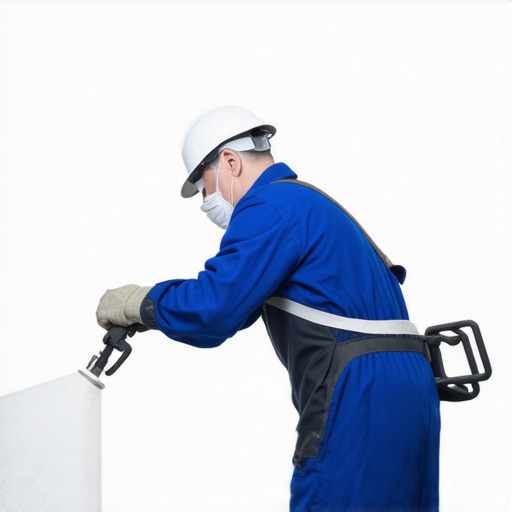 ,
,
Over the course of my house painting experience, I uncovered insights that transformed my approach and can save you from common pitfalls. One of the most profound lessons was the importance of attention to detail in prep work. Skipping thorough cleaning and repair led to premature peeling, a costly mistake I won’t repeat. I also discovered that environmental factors—like humidity and sun exposure—are critical considerations; neglecting these can undermine even the best paint job. Moreover, choosing specialized masonry paints and proper primers dramatically extends the longevity of exterior finishes. Finally, investing in quality tools and routine maintenance pays off by preserving your home’s appearance and value over time.