

It was a morning just like any other, except I had just painted my living room last weekend, only to step back and realize that everything looked somehow off. The wall colors didn’t quite feel right, the shades seemed to clash rather than harmonize. I’d poured so much effort into choosing what I thought was a stylish palette, but after the first coat dried, it was clear I’d made a common mistake. That lightbulb moment hit me: I’d ignored the timeless principle of color balance, the 60-30-10 rule that many interior designers swear by. Since then, I’ve been obsessed with this simple yet powerful rule for creating rooms that are visually pleasing without feeling overwhelming. And I want to share with you how this approach can turn your next painting project from a confusing mess into a perfectly harmonious space.
Why the 60-30-10 Rule Is a Game-Changer for Your Home
When I first learned about the 60-30-10 rule, I was skeptical. It seemed almost too simple. But after experimenting with it, I saw dramatic improvements in my decorating decisions. Essentially, the rule suggests that your room’s color scheme should be divided into a dominant hue (60%), a secondary color (30%), and an accent color (10%). This balance creates a natural flow that’s easy on the eyes and prevents the space from feeling chaotic or mismatched. It’s especially helpful for those of us who get overwhelmed by choices at the paint store or when trying to coordinate furniture, artwork, and accessories. Instead of relying on guesswork or trendy palettes that fade quickly, the 60-30-10 rule provides a reliable foundation to build upon. As interior experts often point out, this approach fosters harmony and ensures your rooms are both stylish and inviting. Knowing about this rule is one thing; applying it correctly is another. Today, I’ll walk you through proven methods to use this rule effectively, so you can avoid common pitfalls and create spaces you’ll love for years.
Is Getting It Right Worth All the Hype?
In my early painting days, I made a costly mistake by choosing colors that looked perfect in the store but clashed in my actual room. I also went down the rabbit hole of experimenting with multiple accent walls, only to end up with a space that felt overwhelming and disjointed. Trust me, I’ve learned the hard way that understanding and applying the 60-30-10 rule saves time, money, and a lot of frustration. It’s not just hype—research shows that rooms designed with proper color balance feel more comfortable and are more aesthetically pleasing (source: House Beautiful). If you’ve ever faced the dilemma of choosing a paint color that looks great on the chip but ends up feeling dull, too vibrant, or mismatched, then you know how important this principle can be. My goal now is to help you sidestep those common rookie errors and embrace a method that guarantees balance. Ready to discover how to master this rule and transform your home? Let’s dive into the practical steps that will make your next painting project both straightforward and stunning.
Break Down Your Colors for a Balanced Look
Start by choosing your dominant color—something neutral or subdued that covers about 60% of the space. I remember the first time I applied this: I selected a soft gray for walls in my living room. Next, pick your secondary color—an accent or complement—covering around 30%. I used a muted blue on an accent wall, which added depth and interest. Finally, add a pop of the remaining 10% with a bold hue, like mustard or teal, through accessories or a small wall section. When I painted my library, I used bright yellow on just the bookshelf backing, giving a cheerful zing without overwhelming.
Measure and Divide to Get It Right
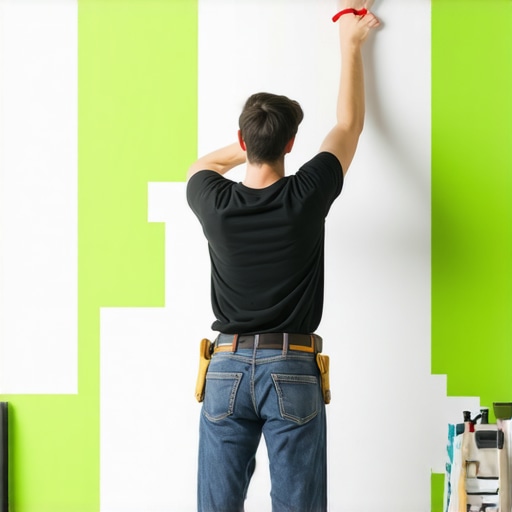
Use precise ratios rather than guesswork. For the wall area, measure the total square footage. For example, if your room has 200 sq ft of wall space, allocate approximately 120 sq ft to your main color, 60 sq ft to your secondary, and 20 sq ft for your accent. Visual aids like painter’s tape can help map these sections before you start. I once marked my walls with tape to visualize the proportions—helped prevent accidental over or underuse of colors, which can throw off the balance.
Choose the Right Paints and Finish
Pick quality paint suited for each purpose. Use matte or eggshell finishes for large surfaces to hide imperfections, and consider semi-gloss for accents or trim for durability and shine. When I tackled my kitchen cabinets, I opted for a bonding primer and a semi-gloss finish, which stood up to cleaning and prevented bleeding through. Always stir thoroughly and apply multiple thin coats rather than one thick layer—this yields a smoother, more professional look and prevents drips or uneven color.
Apply Paint Accurately and Neatly
Invest in good brushes and rollers. Load only the amount of paint needed; overloading brushes can lead to drips and uneven lines. Use painter’s tape on edges, particularly along baseboards and ceilings, to achieve sharp, clean lines. I once rushed and neglected masking, resulting in a mess that took hours to fix—so patience pays off. For large sections, a roller with a short nap helps achieve even coverage quickly, but always go back with a brush for corners and edges.
Blend and Touch Up for Seamless Transitions
Once the main painting is complete, inspect edges for sharpness. Feather out brush strokes by lightly blending edges to avoid harsh lines. Lighting your room from multiple angles helps catch imperfections. When I finished my last project, I used a damp sponge to gently blend around edges, which made the transition smooth and natural. Don’t forget to remove painter’s tape before the paint fully dries to prevent peeling or smudging—timing is key here.
Evaluate and Correct as Needed
Once the paint dries, stand back and assess. Look for areas where the color feels off or shallow. Use a small brush to touch up any spots, blending carefully to maintain harmony. Ask a friend or family member to review—you might spot inconsistencies you missed. Remember, imperfections are common and fixable—perfection isn’t necessary, but balance is.
Imagine a color wheel divided into sections representing 60%, 30%, and 10%—this visual aids in planning your space. Applying this concept reduces guesswork and results in a room that feels naturally inviting and cohesive.
While many homeowners believe they have a firm grasp on house painting, there are subtle pitfalls and misconceptions that often go unnoticed, leading to less-than-ideal results. One prevalent myth is that choosing the highest-quality paint automatically guarantees a longer-lasting finish. In reality, application techniques, surface preparation, and environmental factors play equally crucial roles. For instance, applying premium paint over a dirty or poorly primed surface will undermine its durability, regardless of brand quality. Moreover, some assume that a single coat suffices for full coverage, but in most cases, multiple thin layers yield a more even and lasting result.
Are Lower-Priced Paints Ever a Wise Choice Despite the Myths?
The assumption that cheaper paints save money in the long run is misleading, yet some homeowners opt for budget brands hoping to cut costs. Advanced formulations like nano-bonding paints have demonstrated superior adhesion and weather resistance, making them a worthwhile investment (see this insight). Skipping surface preparation, such as priming or cleaning, often results in peeling, bubbling, or uneven color, especially in high-humidity climates, which can cause costly redo’s. Additionally, many underestimate the importance of correct tools—using old rollers or brushes can introduce inconsistencies and rough textures, affecting the overall aesthetic.
Another misconception is that painting during the hottest or coldest months automatically leads to failure. While extreme weather can influence drying times, modern paints with advanced curing agents, like cool-weather formulas (see this), are designed for optimal performance in a wider range of temperatures. It’s essential to monitor the surface conditions, including moisture levels, and avoid painting when surfaces are wet or during rapid temperature fluctuations.
Advanced homeowners ask: How do I prevent hidden paint flaws from ruining my project?
To mitigate issues such as bleed-through or uneven texture, meticulous surface prep and proper paint layering are key. Testing adhesion with simple methods like the water test or the soap and water test can help identify trouble spots before painting (learn more here). Applying a high-quality primer tailored for specific surfaces ensures better adhesion and uniform color. Furthermore, understanding the science behind paint properties—such as opacity, sheen, and drying time—enables pros and savvy DIYers to make smarter choices that extend the lifespan of their paint jobs.
Many underestimate the impact of detailed finishing touches, like crisp lines and proper edge sealing, which can make a significant difference in the final appearance. Techniques like using painter’s tape with a sharp edge or feathering out paint at the edges can prevent bleeding under masking areas, preserving a professional look (see how). Remember, skipping these small but crucial steps often leads to obvious flaws that mar an otherwise excellent job. Want to elevate your next project? Prioritize surface prep, select appropriate products, and execute with precision. The nuances matter more than you think. Have you ever fallen into this trap? Let me know in the comments.
Keep It Working: Tools and Maintenance for Long-Term Painting Success
An enduring paint job relies not just on proper application but also on choosing the right tools and maintaining them over time. As a professional painter, I’ve learned that investing in quality equipment and adopting disciplined maintenance routines can dramatically reduce touch-ups and prolong the life of your paintwork.
First and foremost, I recommend using a high-quality, programmable paint sprayer such as the Wagner Control Pro 170 let’s you achieve even coats, especially on large surfaces. Unlike cheap handheld models, this sprayer provides consistent pressure, which results in smoother finishes and less overspray. Remember, a good sprayer isn’t just a luxury—it’s a necessity for large or textured areas that demand uniform coverage. To complement this, I always keep a set of fine-detail brushes and micro-foam rollers handy for touch-ups and corners. These tools help me achieve sharp edges and prevent bleed-through, especially around intricate trim. For tools that come into contact with paint, cleaning is critical. I use a combination of solvent for oil-based paints and warm, soapy water for latex. An overlooked step, but essential, is to clean brushes and rollers immediately after use. Dried paint hardens the bristles and foam, shortening the tool’s lifespan and risking streaks in future projects.
Another valuable investment is a commercial-grade paint grinder or stirrer, like the Wagner Flexio’s attachment. Properly mixing your paint ensures uniform color and prevents settling of pigments, which is crucial for color consistency across multiple coats. When working with exterior paints, I recommend sealing paint cans with airtight lids and storing them in a temperature-controlled environment. This prevents the formation of skin or thickening, which can compromise application quality. For outdoor projects especially, I pay attention to surface preparation—using a moisture meter to ensure surfaces are dry before repainting can help prevent peeling, as discussed in this resource.
Looking ahead, the trend towards eco-friendly and self-cleaning paints will shape the way we maintain surfaces. Future innovations might include coatings embedded with nanotechnology that resist dirt and mold, reducing maintenance needs. Until then, routine inspections and timely touch-ups remain the best strategies.
How do I maintain my tools to ensure professional results over time?
Consistent cleaning after each use is vital. For brushes and rollers, I recommend using specialized cleaning solutions designed for your specific paint type, followed by thorough rinsing and air drying. Storing tools properly—horizontal with bristles protected from dust—prevents deformation. For sprayers, flushing with the recommended cleaning solvent after each project prevents clogging and extends their lifespan. Regular inspections for wear or damage allow you to replace parts before failures occur, saving you from costly downtime during your next project. Investing a few minutes in daily maintenance keeps your tools performing at their best, translating into smoother finishes and longer-lasting results. As I always say, quality tools plus diligent care equal a paint job that stands the test of time and weather—so take the time now, and your future self will thank you.
What I Wish I Known Before Starting My Painting Journey
One of the most profound lessons I’ve learned is that patience and preparation are the true backbone of a flawless paint job. Rushing through surface prep or choosing the wrong tools often leads to regrets I wish I could undo. Embedding the principle of the 60-30-10 rule into my process transformed my results, showing me that harmony in color is less about trend and more about understanding proportions. I also discovered the importance of embracing imperfections; a little touch-up here and a slight blending there can elevate a good project to something truly professional.
Tools and Resources That Truly Make a Difference
Over years, I’ve come to trust specific tools and resources that consistently improve my work. The Wagner Control Pro 170 spray gun offers reliable, even coverage on large surfaces, saving both time and effort. For learning, expert tutorials provide insights that books alone might miss—especially when dealing with tricky edges and transitions. I also rely on high-quality primers and paints like those recommended by trusted suppliers, ensuring adhesion and longevity. These resources become your silent partners in every successful project.
Embracing the Journey: Your Next Painting Adventure Awaits
Remember, every stroke brings you closer to transforming your space into something inspiring. Mastering color balance, tool care, and surface prep not only elevates your craftsmanship but also fuels your confidence. I encourage you to view each project as a learning experience—each mistake a stepping stone toward mastery. So, pick up that brush, trust the process, and let your home tell a story of patience, passion, and perseverance. Are you ready to make your next painting project the best one yet? Share your plans or challenges below—I’d love to hear about your journey into creating beautiful, harmonious spaces.