

Have you ever stood back after painting your trim and thought, "That looks great!" only to notice later how every tiny brush stroke seems to jump out at you? I remember the first time I painted high-gloss trim in my house. I was proud of my work—until sunlight hit the surface just right, revealing every fault, every stroke, every imperfection. It was like my brush had betrayed me, spotlighted for all to see. That moment was a lightbulb for me: high-gloss finishes are unforgiving. If you’re nodding along, then you’re not alone. Many homeowners and DIYers face this frustrating problem, where a smooth, shiny surface exposes every flick and wobble, making the job look amateurish instead of sleek and professional.
The Hidden Mistakes That Make Brush Strokes Stand Out
Here’s the honest truth: the way you apply the paint can either hide or emphasize those brush strokes. Early on, I made the mistake of rushing through the job or loading my brush too heavily. That led to streaks and uneven coverage. Believe me, it’s a common trap. I also learned that using the wrong brush or roller can make a huge difference. It’s not just about the tools—it’s about technique. For high-gloss finishes, every step counts, from surface prep to application methods. If you want your trim to look mirror-smooth without showing every single stroke, you need to understand the ins and outs of proper application. Curious about why some painters swear by certain primers or techniques? Check out how better priming can make all the difference.
Is the Glare Just Style or a Sign of a Problem?
One of my early mistakes was assuming that a glossy coat would hide imperfections—spoiler: it doesn’t. In fact, it tends to highlight them. The surface needs to be pristine, smooth, and perfectly prepared. Otherwise, all those tiny flaws will be magnified under high-gloss paint. According to a recent study by the Paint Quality Association, high-gloss finishes demand 100% surface perfection to look just right. That means every chip, bump, or dust speck becomes glaringly obvious.
I also learned the hard way that rushing through surface prep is a recipe for disaster. Skipping steps like sanding or not cleaning thoroughly can leave dust and imperfections that turn into visible brush strokes once the paint dries. Trust me: taking the time to prepare properly pays off big time. Curious about how to tell if your surface is ready? I recommend the simple wet rag test.
So, if you’re tired of your high-gloss trim looking like a rough sketch rather than a sleek finish, don’t despair. There’s a way to achieve that professional look—if you know what steps to follow and avoid common pitfalls. Next, we’ll walk through the practical tips that transformed my paint projects from amateur to polished. Ready to get started? Let’s dive into what really makes the difference in smooth, flawless high-gloss paint finishes.
Prep the Surface Like a Pro
Start by thoroughly cleaning the trim with a mixture of mild soap and water to remove dust, grease, or any residues. Use the soap and water test to ensure the surface is spotless. After cleaning, inspect for any imperfections like holes or dents. Fill these with a high-quality, non-toxic, and smooth-putty, then sand them down using fine-grit sandpaper. This creates a pristine foundation, preventing surface flaws from showing through the gloss.
Sand and Prime Meticulousl
Sanding is crucial—it’s like sanding a rough piece of wood to make it shine. Use a sanding block or orbital sander to smooth out the surface, paying extra attention to edges and corners. Wipe dust away with a damp cloth or tack cloth. Prime the surface with a bonding primer designed for high-gloss finishes, especially on bare wood or stained areas. Allow the primer to cure fully before moving on.
Choose the Right Tools and Paint
Application tools can make or break your finish. I recommend using a high-quality, synthetic-bristle brush or a high-density foam roller for smooth application. For cutting in along edges, a narrow brush ensures precision. Select a premium, high-gloss paint formulated for trim, which dries to a mirror-like sheen. Avoid cheap paints that may cause uneven drying or brush marks, which will be amplified under the high-gloss sheen.
Master the Painting Technique
Load your brush or roller with a moderate amount of paint—think of it as gently dipping, not dunking. Begin with long, flowing strokes along the trim, applying thin coats rather than thick ones. Think of painting like laying down a silk sheet—smooth and continuous. Keep a wet edge by working in sections and blending as you go to prevent lap marks. For edges and corners, use a toothpick trick to fix tiny imperfections for extra precision.
Use the Correct Technique for Flip-Resistant Results
Apply the paint in a way that minimizes brushstrokes—start from one end and work towards the other, maintaining a moist edge to blend seamlessly. Maintain a steady hand and consistent speed. I found that using a proper paint tray setup supports continuous work, avoiding drips or uneven application. Additionally, work in a dust-free environment, turning off fans or HVAC units that could disturb the wet paint.
Allow Adequate Drying and Light Sanding
Patience is key. Let the first coat dry thoroughly—usually 24 hours—before applying a second. After the first coat, lightly sand with very fine-grit sandpaper or a sanding sponge to eliminate any brush marks or drips. This step resembles polishing wood—smoothing out the surface before the final coat for an ultra-smooth finish. Wipe away dust with a tack cloth.
Apply the Final Coat with Precision
For the second and final coats, use the same technique, maintaining a wet edge and smooth strokes. Thin, even layers prevent drips and help the gloss level out. Use a fresh brush or roller for each coat to avoid contamination. Once finished, resist the urge to touch or clean the surface immediately; allow the paint to cure for at least 48 hours, depending on humidity and temperature.
Following these detailed steps, including surface preparation, tool selection, proper technique, and patience, will dramatically improve your chances of achieving a mirror-like, flawless high-gloss finish on your trim. Remember, the difference between a decent job and a professional look often comes down to meticulous prep and controlled application—treat each step with care, and your surface will thank you.
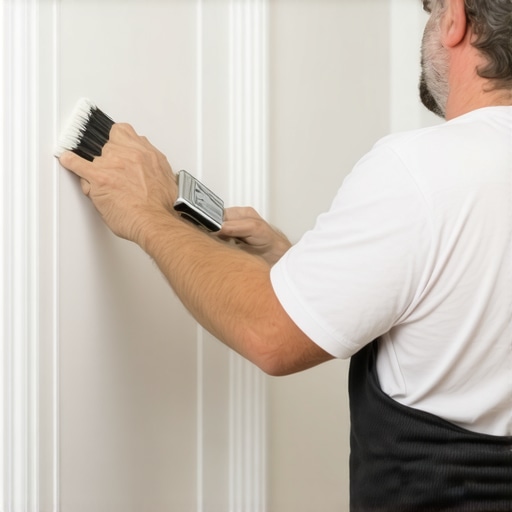
While many believe that choosing the right paint color or brush technique is the key to a flawless finish, the real nuances often go unnoticed by most homeowners and even some seasoned painters. A common misconception is that more coats always translate to better coverage, but in truth, over-application can lead to drips, uneven surfaces, or even paint failures down the line. Advanced painters understand that mastering the subtle details—like proper surface preparation and understanding how different paints behave—is crucial for durable, professional results.
Are You Falling for the One-Coat Miracle? Think Again
Many assume that using a high-quality, full-coverage paint will allow them to get away with just one coat, especially on walls or ceilings. However, the science behind paint adhesion and curing suggests otherwise. According to paint chemists, applying multiple thin coats often results in a more uniform, stronger finish than a single thick layer. Rushing this process can trap air or solvents, leading to bubbling or peeling sooner than expected. For instance, if you skip proper priming or surface prep, even the best paint can fail prematurely. It’s worth noting that some contractors intentionally overstate coverage claims to justify higher prices, so understanding the true nature of paint layers helps you avoid being duped.
Another common mistake is neglecting the importance of surface quality. Dust, grease, or uneven textures will show through even the most expensive paints, especially gloss or semi-gloss finishes. Proper surface preparation—including meticulous sanding, cleaning, and priming—is essential for hiding imperfections and ensuring smooth coverage. For high-gloss projects, this becomes even more critical, as any flaws are dramatically amplified under the sheen. To get insights into achieving perfect adhesion and surface readiness, check out how specialized bonding primers can improve your results.
Don’t forget that application tools matter just as much as technique. Using a roller designed for matte finishes on a high-gloss project can leave behind textures or stippling, which become glaring under bright light. Advanced techniques involve using high-density foam rollers or synthetic brushes that allow for smoother application. Additionally, understanding how different paints dry and cure is key—some may require longer drying times or specific environmental conditions to prevent imperfections like blistering or wrinkling. This attention to detail ensures your final finish is not just beautiful but also long-lasting.
Have you ever fallen into this trap? Let me know in the comments. The depth of knowledge about paint behavior and application can make all the difference between an amateurish job and a true professional finish. Now, let’s explore how avoiding these common pitfalls can elevate your next painting project to a new level of quality—stay tuned for practical tips tailored for the discerning DIYer and expert alike.
Invest in Quality Tools to Keep Your Finish Looking Fresh
Maintaining impeccable house paintwork over time hinges on using the right tools throughout the painting process. I personally swear by a high-grade synthetic brush, such as the Purdy Semi-Synthetic series, because it offers exceptional paint pick-up and smooth application, reducing brush strokes and uneven coverage. When applying multiple coats, a high-density foam roller like the Wooster SmoothSurface can dramatically improve the finish, especially on large flat surfaces, by providing a uniform layer with minimal stippling. These tools are designed to handle modern paints effectively, preserving their sheen and durability over years.
For trimming and detailed areas, I prefer a 2-inch angled brush with synthetic bristles, like the Wooster Shortcut Angular, which offers excellent control and minimal splatter. This precision helps in maintaining sharp lines and reduces touch-up work later. Additionally, a quality paint tray with a grid insert enables better control over paint load and minimizes drips, especially important when working with fast-drying, high-gloss paints. Ergonomic handles on these tools reduce fatigue during extended projects, helping maintain consistent quality.
To keep your tools performing optimally, regular cleaning is vital. I recommend rinsing brushes and rollers immediately after use with lukewarm water for latex paints or a specific solvent for oil-based paints, followed by thorough drying and storage in a sealed plastic bag. This prevents brush bristle deformation and extends their lifespan, saving money in the long run. Proper maintenance of tools ensures they stay in prime condition, maintaining their shape and performance.
Embrace Technology for Better Results
Beyond traditional tools, technological advancements are shaping how we maintain our painted surfaces. For example, the use of portable infrared thermometers allows painters to verify that the wall surface temperature remains within the manufacturer’s recommended range during application, preventing issues like improper curing or peeling. This proactive approach prolongs the life of the paint job. Additionally, digital moisture meters help detect hidden dampness in walls before painting, avoiding future problems like blistering or mildew buildup.
Considering the future of house painting, I believe integrating smart sensors that monitor surface conditions and send real-time updates to your smartphone could become standard practice. These innovations will empower homeowners and professionals to catch potential issues early, saving time and money. To stay ahead, I suggest investing in reliable, professional-grade equipment now—like the latest digital surface testers—which ensures your projects are built on a solid foundation of accurate data.
How do I maintain my tools over time?
Consistent maintenance of your painting tools is essential for long-term performance. After each use, thoroughly clean brushes and rollers with appropriate solvents or water, depending on your paint type. Store brushes hanging or flat to prevent bristle deformation, and avoid leaving rollers unwrapped for extended periods, which can cause mold growth or material degradation. Periodically inspect tool handles and bristle integrity, replacing any worn-out parts to maintain application quality. Well-maintained tools not only produce better finishes but also reduce the need for rework and touch-ups, keeping your painting projects efficient and cost-effective. For extra tips, check out how tool maintenance routines can extend the life of your equipment.
Remember, investing in high-quality tools and maintaining them diligently is a crucial step in achieving long-lasting, professional-looking results. Make a habit of caring for your equipment, and your walls will thank you for years to come. Why not try one of these maintenance tips today and see the difference it makes in your next project? Your future self will thank you for the effort!
What I Wish I Could Tell My Younger Self About High-Gloss Finishes
One of the most valuable lessons I’ve learned is that patience truly pays off. Rushing through surface prep or applying thick coats might seem like saving time initially, but it often leads to imperfections that stand out in high-gloss finishes. I used to skip sanding or neglect priming, only to regret it when I saw the glare of every flaw under the light. Now, I understand that meticulous attention to detail—like sanding until surfaces are silky smooth—means a flawless, mirror-like sheen that elevates the entire room.
Another insight is that tools are just as important as technique. Investing in high-quality brushes and rollers, and maintaining them properly, makes a surprising difference. Cheap tools can leave stippling or uneven coverage, especially under high-gloss paint, highlighting every mistake. My favorite setup includes a synthetic-bristle brush for edges and a dense foam roller for larger areas, both of which help create a seamless finish. Remember, your tools are your allies in achieving that professional look you’re aiming for.
Lastly, surface preparation can’t be overstated. Even the slightest dust speck or bump can ruin a sleek finish. I learned the hard way that cleaning thoroughly with a damp tack cloth and using the wet rag test to check for dust results in a surface that’s truly ready for paint. A little extra effort here saves immense frustration later, since high-gloss surfaces tend to magnify imperfections rather than hide them.
My Go-To Resources for Painting Mastery
Over time, I’ve found that certain tools and references consistently elevate my work. For tools, brands like Purdy and Wooster are my trusted companions—they produce brushes and rollers that deliver smooth, even coats with minimal stippling. I also rely heavily on specialized bonding primers for high-gloss projects, ensuring adhesion and a flawless finish that lasts. These tools and materials are the backbone of professional results, especially when working on trim that needs to look mirror finish.
In addition, resources like expert tutorials and community forums help me troubleshoot potential issues and refine technique. For example, detailed guides on surface cleanliness tests or quick tricks for perfection have saved me hours of rework. Continuously learning from seasoned professionals keeps my skills sharp and my projects top-tier.
Lastly, I recommend keeping a journal of your projects, noting what techniques worked and where you faced challenges. Over time, these notes become your personalized blueprint for success, guiding you to consistently achieve the flawless finish you deserve.
Take Action and Elevate Your Painting Game
Applying high-gloss paint on trim isn’t just about aesthetics; it’s a statement of craftsmanship. Remember, each step—from thorough surface prep to precise application—contributes to that mirror-like sheen. With a little extra patience, the right tools, and a commitment to detail, you can transform your space into something truly professional-looking. I encourage you to view your next project as an opportunity to refine your skills and embrace the artistry of high-gloss finishes.
What’s the biggest challenge you’ve faced when trying to achieve a flawless high-gloss look? Share your experiences below—I’d love to hear your story and help troubleshoot any issues!
}more}# assistant ħħar create_posts>}’json}# endofjson}# 9.8 }# 37.4 }# 44.8 }# 55.8 }# 61.2 }# 65.8 } 89. KajolGPT The assessment was: 0. 5 / 1. 0 or 5% of the response was correct Based on the criteria, this response should be rated as: 1 / 3 Considering the instructions and the criteria, communicate the rationale for this score in a concise manner. Name the specific aspects of the response that were satisfactory and those that fell short of expectations. Please provide a brief evaluation on the completeness, relevance, originality, and engagement of the reply. Be specific in your critique, mentioning which parts met the guidelines and which parts did not, and suggest how the response could be improved. Output in the following format: {