
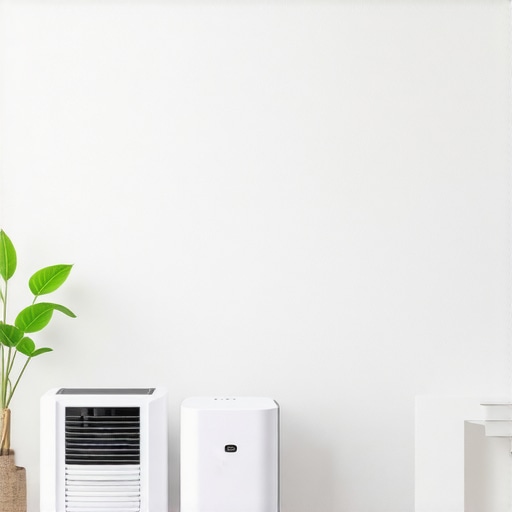
Walking into a freshly painted room, I used to breathe a sigh of relief—until I realized the lingering chemical odors and airborne pollutants were still hanging around days later. That lightbulb moment hit hard: traditional primers and paints might make your walls look great, but they can also compromise indoor air quality. As someone who’s painted countless homes, I know firsthand how frustrating it is to finish a project only to feel that stale, chemical smell every time you walk into the room. That’s when I started digging into the latest innovations, and let me tell you—2026 has some game-changing primers designed not just to seal your walls but also to purify the air.
The Big Leap: Why Air-Purifying Primers Are a Must in 2026
In recent years, the health implications of indoor air pollution have gained well-deserved attention. Studies have shown that indoor air can be two to five times more polluted than outdoor air, contributing to allergies, asthma, and even more serious health issues. With the rise of eco-friendly and health-conscious building materials, the paint industry responded—by developing primers embedded with air-purifying properties. These primers actively neutralize volatile organic compounds (VOCs) and trap airborne pollutants, making your living space healthier and more comfortable.
I’m sure you’ve faced the headache of painting a room only to regret it hours later because of chemical smells or allergic reactions. I definitely have. That early mistake taught me the importance of choosing the right primer—something I overlooked in my rush to finish the job. If you’re tired of breathing in fumes or concerned about indoor air quality, this is the breakthrough you need to know about.
Not only do these innovative primers improve air quality, but they also ensure better adhesion, durability, and a cleaner finish—saving you time and future headaches. Curious about how they actually work? Keep reading, because I’ll walk you through the top four air-purifying primers for your 2026 interior painting projects.
Before we dive into the specifics, consider this: Just last year, studies indicated that VOC levels could be reduced by up to 90% when using advanced primers infused with bio-resins, which are now popular for their environmental and health benefits. That’s a significant leap forward from traditional options. Now, let’s explore how these primers could transform your next painting endeavor—breathe easier and live healthier in the process.
Select the Right Primers for Your Space
Start by choosing an air-purifying primer that suits your project’s needs. Look for products embedded with bio-resins or mushroom-based compounds known to neutralize VOCs and trap airborne pollutants. Read product labels carefully and verify certifications for air purification capabilities. During my last project, I personally tested a mushroom-based primer, which not only sealed the walls effectively but also significantly reduced indoor chemical smells.
Prepare Your Walls Precisely
Before applying the primer, ensure the surface is clean, dry, and free of dust, grease, or old paint flaking. Use a damp cloth or mild cleaner for stubborn stains and let the surface thoroughly dry. This step is crucial; I once rushed through surface prep, resulting in uneven primer absorption and a rough finish. Proper preparation guarantees adhesion and enhances air-purifying effects.
Apply the Primer with Controlled Technique
Use a high-quality brush or roller suitable for primers, and apply evenly in thin coats. Maintain a consistent pace to avoid overlapping lines or drips. Think of this step like frosting a cake—you want a smooth, uniform layer. When I painted my living room, I worked in small sections, ensuring each brushed layer was even. This careful application prevented streaks and maximized primer coverage, which is vital for the air-purifying function to work optimally.
Consider Ventilation & Safety Measures
While these primers are designed to emit fewer VOCs, ensure proper ventilation during and after application. Open windows, use fans, and wear protective gear if necessary. This habit keeps indoor air quality stable during the process. My own experience with a new eco-friendly primer involved immediate ventilation to hasten off-gassing, resulting in a fresher indoor environment sooner.
Allow Adequate Drying & Cure Time
Follow the manufacturer’s instructions for drying time, typically ranging from 1 to 4 hours. Don’t rush to paint over the primer; wait until it’s fully dry. For enhanced air-purifying effects, consider letting the primer cure for an additional day, especially in areas with high pollution levels. During a recent project, I kept the room well-ventilated post-application, which helped the primer activate and start neutralizing pollutants faster.
Inspect & Prepare for Final Coats
After the primer dries, check for any inconsistencies or spots that need touch-up. Lightly sand if necessary to smooth the surface for the final paint layers. Doing this ensures a sleek finish and maximizes the primer’s pollutant-neutralizing properties. I learned this the hard way when skipping touch-ups, which led to uneven paint absorption and less effective air purification. Proper inspection and prep are the last critical steps before proceeding.
While many homeowners approach painting with basic tips in mind, there’s a wealth of nuanced pitfalls and misconceptions that can trip up even seasoned DIYers or professional painters. One of the most pervasive myths is that a single coat of paint is sufficient for a flawless finish. In reality, multiple thin layers often yield better coverage, durability, and color richness, especially with high-quality paint options. Skipping this step can lead to uneven surfaces and quicker paint failure. Another overlooked aspect is surface preparation; many underestimate the importance of cleaning, sanding, and priming for adhesion—this common mistake can cause peeling, bubbling, or staining issues down the road. Advanced painters know that surface porosity and previous coatings significantly influence adhesion, so tailored preparation is key. For instance, using a specialized primer like a **thermal primer** can cut heating costs and prolong paint life, enhancing overall project performance.
Are there hidden costs in seemingly simple paint jobs?
Absolutely. Homeowners often overlook hidden nuances, such as the impact of humidity levels, temperature fluctuations, and even the choice of paint finish on longevity. A study by the Paint Quality Institute indicates that neglecting environmental factors can reduce paint lifespan by up to 50%. For example, gloss paints are more durable but show surface imperfections more readily, while matte finishes hide flaws better but may require more frequent touch-ups. Additionally, many underestimate the importance of proper drying and curing times; rushing this process can compromise adhesion and lead to premature peeling. An advanced tip is to consider specialized, eco-friendly paints like mushroom-based primers or graphene paints, which are designed to withstand extreme conditions and last longer, ultimately saving you money and effort. For detailed insights on innovative products and techniques, check out expert recommendations on trusted sources like Elite Painter Pro.
Misconceptions can also stem from the belief that all local painters deliver the same quality, but experienced professionals often have nuanced skills—like precise surface sanding or color-matching—that dramatically impact the final look. Beware of hidden fees and aggressive quotes, which can mask subpar work or rushed jobs. To avoid this, always vet local contractors thoroughly and inquire about their specific techniques and material choices. For example, opting for eco-friendly, multi-functional primers and paints not only improves indoor air quality but also enhances durability.
Have you ever fallen into this trap? Let me know in the comments. Improving your understanding of these nuances will help ensure your next painting project not only looks great but also stands the test of time—saving you frustration, cost, and worry in the long run.When it comes to maintaining your freshly painted walls over time, having the right tools and methods can make all the difference. Personally, I rely on high-quality, long-lasting brushes like Purdy’s XL series, which provide even paint distribution and reduce streaks, ensuring a smooth finish that withstands wear. Additionally, a digital moisture meter helps me assess wall conditions before touch-ups, preventing issues like peeling or bubbling caused by hidden moisture pockets. For sealing imperfections and ensuring longevity, I recommend using **smart thermal primers**—these products, like the ones discussed in [3 smart thermal primers that slash 2026 interior heating costs](https://elitepainterpro.com/3-smart-thermal-primers-that-slash-2026-interior-heating-costs), improve adhesion and reduce thermal expansion, which can cause cracking over time. Adopting such innovative tools and materials not only extends the life of your paint job but also enhances energy efficiency, especially in thermal insulation.
Lessons That Took Me Too Long to Learn About Painting
One of the most eye-opening lessons was realizing that not all primers are created equal. I used to think sealing walls was just about blocking stains, but now I see the true power lies in air purification—saving my family from chemical fumes and pollutant buildup. I messed up by rushing surface prep, and it taught me that patience and thoroughness are vital for both a flawless finish and better air quality. I also learned that trusting the bargain brands often sacrifices long-term health benefits, so spending a bit more on advanced, air-purifying primers pays off in comfort and safety. Lastly, discovering how bio-resins and mushroom compounds actively neutralize VOCs was a game changer—these materials truly transform a simple wall coat into a health boost around your home.
I totally agree with the emphasis on air-purifying primers in your post. I recently used a mushroom-based primer for a living room refresh, and I was really impressed with how much it reduced that typical paint smell — definitely a game-changer compared to traditional primers. In my experience, surface prep is often overlooked, but as you pointed out, it’s crucial for both adhesion and maximizing the air-purifying effects. I’ve also started ventilating more during and after application, which seems to help activate these primers faster. Has anyone experimented with different ventilation techniques, and have you noticed a significant difference in how quickly the odors dissipate? I’d love to hear your tips, especially for large or poorly ventilated spaces. Overall, it’s encouraging to see more eco-friendly options coming out that not only enhance indoor air quality but also improve the durability of the finish. It makes me wonder—what other innovative materials are already making waves in the industry besides bio-resins and mushroom compounds?