
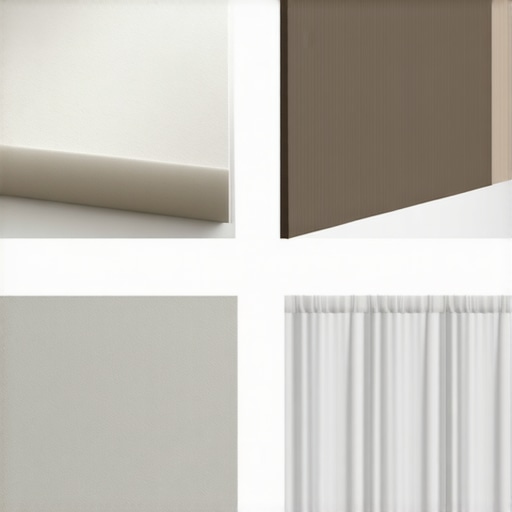
I’ll never forget the day I finished painting my living room walls, only to realize the sweet silence was replaced by an unwelcome echo. That gut punch of understanding hit me hard—soundproofing and acoustic comfort are just as vital as the color on your walls, especially with 2026’s new standards and tech-influenced trends. I was determined to crack this seemingly elusive problem, and after countless experiments, I stumbled upon some game-changing acoustic-dampening fixes that I wish I knew earlier. Today, I want to share those discoveries with you so you don’t have to endure the same echo chamber I did.
Why Acoustic Comfort Matters More Than Ever in 2026
Interior painting isn’t just about aesthetics anymore. With smart homes, silent zones, and wellness-focused spaces becoming the norm, acoustic control is a crucial part of creating a harmonious environment. The materials used in 2026 interiors are increasingly optimized for technology integration but often overlooked for their sound dampening properties. Did you know that proper acoustic treatment can reduce noise levels by up to 50%, significantly enhancing comfort and productivity? (Source: ELITE PAINTER PRO)
However, many homeowners—myself included—initially fell victim to a common mistake: assuming that a fresh coat of paint would naturally block sound. Spoiler: it doesn’t. That realization was my lightbulb moment, and it pushed me to explore fixes specifically tailored for acoustic performance. So, if you’re tired of shouting over your walls or waking up to every little noise, these four fixing strategies could be just what you need.
Is Acoustic Treatment Overhyped or Essential?
Early on, I bought into the hype that thicker, darker paint could somehow absorb sound. Turns out, that was a mistake. The truth is, proper acoustic dampening requires specific materials and application techniques—something I overlooked, leading to ineffective results. Don’t make the same mistake; I encourage you to pay attention to real solutions dedicated to sound dampening, and I’ll walk you through them next.
Select the Right Materials for Soundproofing
Start by choosing materials specifically designed for acoustic dampening. Unlike standard paints, look for specialized solutions like acoustic primers or sound-absorbing panels. I remember when I first tried applying thick matte paint expecting it to muffle sound, only to realize later that dedicated materials yield far better results. For example, nano-bonding paints, as detailed here, provide enhanced adhesion and soundproofing properties—making them a game-changer.
Prepare Your Surface Meticulously
Proper preparation is crucial. Remove any existing imperfections or loose paint, as uneven surfaces can compromise sound absorption. I recall spending an entire afternoon sanding my wall, frustratingly slow but necessary. Use a high-quality primer to ensure the acoustic solutions adhere evenly. Consider eco-friendly primers like those mentioned here, which also purify indoor air—a bonus for health-conscious homes.
Apply Acoustic Treatments Strategically
Apply your selected acoustic materials in layers, focusing on strategic areas such as shared walls or ceilings where sound transmission is most noticeable. Use a roller for large flat surfaces, but for corners and edges, switch to a brush to ensure thorough coverage. I vividly remember my first attempt, over-rolling and leaving uneven patches, which diminished effectiveness. Always follow manufacturer instructions precisely to maximize dampening. For more technical fixes, see this guide.
Seal and Finish to Lock in Soundproofing
Seal all edges and joints with a high-quality joint compound or acoustic sealant. Think of it as reinforcing a dam—every crack can allow sound to pass through. I once neglected this step and found my efforts almost nullified by small gaps. After sealing tightly, finish with a matte or eggshell topcoat, as shiny finishes can reflect sound waves rather than absorb them. Remember, the goal is to create a barrier that prevents sound from bouncing around your room.
Optimize Room Layout for Sound Absorption
Rearranging furniture can significantly improve acoustic performance. Soft furnishings like curtains, rugs, and plush sofas act as natural sound dampeners. I placed a large fabric tapestry on one wall, which visibly muffled echoes, transforming the space instantly. For rooms with high ceilings or large open areas, consider hanging acoustic panels or installing ceiling tiles optimized for sound absorption. These small tweaks complement your wall treatments, creating a harmonious environment tailored for 2026 standards.
Implementing these steps requires effort but yields tangible improvements. Every layer of treatment acts like a filter, reducing reflection points and preventing sound from escaping or bouncing within your space. When combined with strategic furniture placement, your room becomes a peaceful oasis—free from disruptive echoes and noise pollution. Ready to take the next step? Check out this comprehensive guide for deeper insights into soundproofing techniques suited for 2026 homes.Many homeowners believe that painting is a simple task—just pick your color, grab a roller, and you’re done. However, as an experienced painter, I can tell you that this oversimplification leads to costly mistakes and subpar results. One prevalent misconception is that a thicker coat of paint inherently offers better durability and coverage. In reality, overloading paint doesn’t necessarily improve longevity; it often causes drips, uneven finishes, and longer drying times, which can compromise the final look. Skilled painters focus on proper surface preparation and applying thin, even layers—this nuanced technique ensures a smoother and more resilient finish. Additionally, there’s a myth that all paints are created equal; but in truth, advanced materials like nano-bonding paints or bio-resin coatings provide enhanced adhesion and durability, especially important for 2026 standards where environmental and health considerations are paramount. Another common trap is neglecting the significance of surface priming. Skipping or rushing this step may seem time-saving but often results in poor adhesion and premature peeling. Using high-quality primers tailored to your wall type and climate conditions is crucial, and many overlook this fundamental step. Be wary of the misconception that DIY painting can match professional quality—without experience, you risk uneven coverage, paint wastage, and damage to surfaces. Professional techniques, such as meticulous sanding, precise masking, and controlled application, distinguish expert results from amateur work. Furthermore, many underestimate the importance of environmental factors, like humidity and temperature, which can hinder paint curing and adhesion. For instance, painting in high humidity can cause bubbling and longer drying times, leading to an uneven finish. Experts often use advanced primers and strategic timing to mitigate these issues, ensuring a flawless outcome. Ultimately, understanding these nuances—like the specific properties of modern paints or the critical nature of surface prep—sets professional painters apart from casual DIYers. If you’re aiming for durable, high-quality results that stand up to 2026’s new standards, it’s essential to embrace these advanced insights.
How can understanding paint chemistry prevent costly mistakes in your project?
Recognizing the science behind paints, such as how nano-binders improve adhesion or how bio-based polymers resist UV damage, empowers you to select the right products for long-lasting results. Studies reveal that eco-friendly, innovative paints not only meet environmental standards but also outperform traditional options in durability and aesthetics. So, next time you consider painting your home, remember—delving into these technical details can save you time, money, and frustration. Have you ever fallen into this trap? Let me know in the comments.
Achieving beautiful, durable paint results isn’t just about selecting the right colors or finishes; it hinges on using the appropriate tools and committing to consistent maintenance. Over the years, I’ve refined my toolkit and routines to ensure every project stands the test of time, especially as 2026’s standards demand higher performance and sustainability.
Investing in Quality Tools for Lasting Results
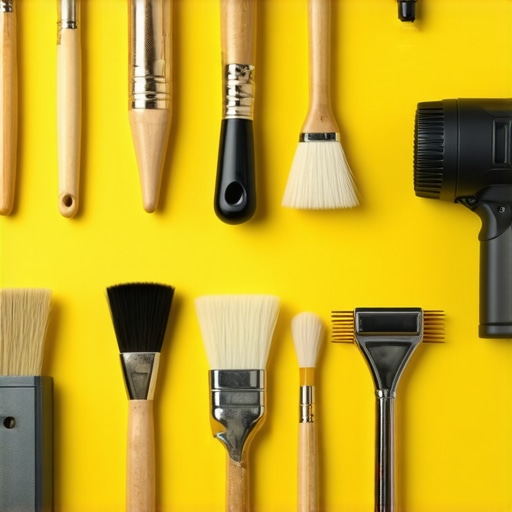
Starting with the right equipment makes all the difference. I recommend using high-grade extension poles with quick-release mechanisms. This allows for precise control and reduces arm fatigue during large wall applications, ensuring even coats without streaks. For cutting-in and detailed work, a tapered sash brush with a fine tip (2-2.5 inches) offers superior accuracy, particularly when working around intricate moldings and fixtures.
When it comes to sprayers, I favor airless units like the Graco Magnum ProX17. They provide consistent spray patterns and can handle thicker, bio-based primers, which are increasingly popular in 2026 projects for their environmental benefits. Using the right nozzle size, typically 517 or 519 for fine finishes, helps achieve smooth, professional results without excessive overspray.
To ensure proper surface preparation and finishing, I rely on a high-quality sanding system, such as ergonomic orbital sanders with dust extraction capabilities. This minimizes airborne particles and preserves the integrity of bio-resin coatings, which are sensitive to debris. Additionally, investing in moisture meters ensures optimal conditions before painting—crucial for avoiding issues like bubbling or premature peeling.
Establishing a Routine for Maintenance and Longevity
Long-term satisfaction with your paint job requires a proactive maintenance routine. I recommend inspecting painted surfaces every six months, especially in high-traffic or exposed areas. Promptly addressing minor scratches or scuffs with touch-up kits prevents them from escalating into bigger problems. For exterior projects, sealing any cracks or gaps annually using specialized sealants maintains the barrier against weather elements and pests.
Cleaning brushes and sprayers thoroughly after each use preserves their lifespan and ensures optimal performance for future projects. For bio-based or nano-coating paints, always follow manufacturer instructions regarding cleaning agents to prevent damaging the protective layers.
What are the best tools to keep your painted surfaces looking their best over time?
In my experience, regular maintenance combined with using durable, well-maintained tools extends the life of your paintwork significantly. Upgrading to equipment like commercial-grade sprayers or advanced sanding systems might seem an investment now, but they save you money and effort down the line by reducing rework and ensuring smooth finishes. For example, bio-resin paints, which outperform standard acrylics in 2026, require careful application and consistent upkeep. You can explore the benefits of such materials here.
To get started, try implementing a weekly inspection routine that includes cleaning tools properly after every project, sealing minor chips promptly, and updating your equipment as needed. These small steps collectively keep your surfaces pristine and your tools in top shape, ultimately saving time and money in the long run.
As the trend in house painting continually advances, staying equipped with the right tools and a disciplined maintenance schedule will be your best strategy to ensure longevity, especially with innovations like self-sanitizing paints and smart coatings becoming standard in 2026. Remember, adopting these best practices today prepares you for the projects of tomorrow, so don’t hesitate to upgrade your toolkit and routine now—your future self will thank you.
Lessons That Changed My Perspective on Painting
- One of the biggest realizations was that surface preparation isn’t just about aesthetic appeal—it’s the foundation for effective soundproofing and lasting durability. Skipping this step might save time upfront but costs dearly in the long run.
- Applying paint isn’t a race; gentle, even coats with proper layering create better adhesion and smoother finishes that resist peeling, especially when working with advanced, eco-friendly materials tailored for 2026 standards.
- I learned the hard way that not all primers are created equal. Investing in high-quality, bio-reactive primers that align with your chosen paint can prevent unwanted interactions and improve overall performance.
Tools and Resources That Elevated My Craft
- The Graco Magnum ProX17 sprayer became my go-to for consistent application, especially with bio-based primers that are prevalent in 2026. Its precision saves both material and time.
- High-performance orbital sanders with dust extraction ensure my surfaces are impeccably smooth before painting, crucial for nano-bonding paints that demand immaculate prep for maximum adhesion.
- Books like “Innovative House Painting Techniques” have broadened my understanding of how science and art blend, guiding me through modern tech integrations and eco-friendly solutions that aren’t just trends but industry essentials.
Your Next Step in Elevating Interior Spaces
Embrace these insights and tools to create a harmony of aesthetics, acoustics, and durability that meets the futuristic standards of 2026. Every brushstroke and material choice can turn a simple room into a wellness-inspired sanctuary combined with smart, sustainable technologies. Ready to revolutionize your painting approach? Dive deeper into innovative solutions by exploring bio-resin paints or modern primer techniques.
Have you faced challenges blending eco-friendly materials with traditional techniques? Share your experiences below—your story might inspire others to rethink their painting journey!