
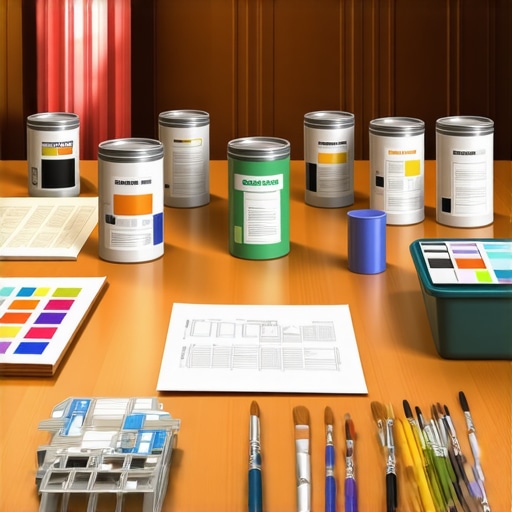
That moment when I opened my last painting bid and saw an extra charge labeled ‘micro-prep’—I almost laughed. Being honest, I had no idea what that meant back then. My gut instinct was to think, “Is this just another way for contractors to jack up the price?” It turns out, I wasn’t entirely wrong. That lightbulb moment made me realize how much the landscape of local painting bids has changed, especially with new fees that catch homeowners off guard.
Seeing the Invisible Fees: My Wake-Up Call
What used to be a straightforward process—get a quote, pick a painter, and enjoy my refreshed walls—has transformed into a confusing maze of line items, extra charges, and fine print. One thing I kept noticing in recent bids was the mysterious ‘micro-prep’ fee. At first, I thought it was just jargon. But then I learned that this fee covers tiny surface preparations before painting, like cleaning or minor repairs. These tasks, if skipped, can seriously impact the longevity and quality of the paint job.
How do I know this? Early on, I made the mistake of ignoring these tiny details. I once hired a contractor who said they wouldn’t need much prep. Turns out, that house had underlying issues that rapidly worsened, leading to peeling paint within a year. That cost me more in the long run. According to industry experts, neglecting surface prep can reduce a paint job’s lifespan by up to 60%, which makes the initial micro-prep fee a small price to pay for lasting results. You can read more about surface preparation pitfalls in this helpful guide.
So why are these ‘micro-prep’ fees becoming standard? With the rising complexity of paints and the increasing demand for durable finishes—especially in climates affected by unpredictable weather—contractors are adjusting their bids accordingly. This shift isn’t just about profit; it’s about ensuring quality and longevity. But it can be hard for homeowners to see through these charges without proper knowledge.
Are you facing similar puzzling fees on your bids? Or maybe you’re still trusting that a low quote is the whole story? Don’t worry—I’ve learned some simple ways to spot when these charges are genuine versus inflated tactics used to inflate your final bill. Once you understand the what’s behind these fees, you’ll be in a stronger position to negotiate or ask the right questions.
Next, I’m going to share some practical insights and tips to decode your bids and protect yourself from surprises. Building awareness now means you won’t get caught off guard when the next bid lands on your mailbox.
Identify Genuine Preparation Needs
Start by verifying if the contractor explains why micro-prep services are necessary. Ask them to specify what surface issues they plan to address, such as peeling or mold. A reputable pros’ bid will detail the preparation steps and their importance for paint durability. For instance, during my last project, I requested a clear breakdown and was surprised to see terms like bio-polymer primers mentioned, which are vital for UV protection.
Check for Unnecessary Extras
Carefully review each line item, especially those labeled as micro-prep or optional. Cross-reference their necessity with trusted resources like this guide on spotting bio-primers. If the bid includes charges for standard tasks you can do yourself, such as cleaning surfaces, question their reasonings. Often, contractors inflate these charges to boost profits without adding real value.
Assess the Bid’s Technical Validity
Delve into the materials and methods they plan to use. Ask whether they employ innovative techniques like drone preparation, which can reduce costs. For example, I once inquired about the use of drone tech for prep work, and found that it not only cut expenses but also sped up the process significantly, with fewer surprises.
Request Clear Material and Procedure Details
Demand that the contractor specify the types of primers and paints they intend to use, especially considering upcoming standards like self-cleaning or bio-resistant coatings. This is crucial because substandard materials often lead to early peeling or mold growth. During my own bid negotiation, I used this resource on bio-polymer paints to ensure quality choices, which helped me avoid future costs.
Validate the Bid’s Authenticity
Look out for signs of AI-generated or outsourced labor claims. An inconsistent writing style or vague descriptions suggest the contractor might be outsourcing work or using automated bids. To verify their credibility, compare their license with this license verification guide.
Engage with Follow-Up Questions
Always ask for clarifications on any nebulous line items. For example, if they include a ‘robo-prep’ surcharge, challenge its necessity and learn more about this practice with this resource on avoiding robotic prep charges. This way, you stay one step ahead and prevent inflated costs before they occur.
Conclusion
By systematically dissecting each element of your painting bid—questioning unfamiliar charges, verifying material quality, and confirming contractor credibility—you transform from a passive shopper into an informed homeowner. This approach not only saves you money but guarantees a job that lasts, even as new standards and fees emerge. Remember, as the industry evolves, your vigilance keeps your project on track without unwelcome surprises.
 Many homeowners believe that choosing a painting contractor and assessing their bids is straightforward—simply pick the lowest price or the most reputable-sounding name. However, this perception often leads to costly mistakes. In reality, there’s a wealth of nuance behind effective house painting that even seasoned DIYers or first-time homeowners tend to overlook. Let’s explore some of these rarely-discussed yet highly impactful details.
One common misconception is thinking that all primers and paints are created equal. While options like standard acrylics might seem sufficient, advanced studies highlight how bio-based and graphene-infused paints can dramatically improve durability and environmental compatibility. For instance, many don’t realize that Bio-polymer house paints, tested for UV resistance, outperform traditional options, especially in harsh climates. Skipping this knowledge might leave your walls vulnerable to peeling and mold, a costly mistake that could have been avoided by understanding the nuances.
A significant trap many fall into revolves around surface preparation, particularly micro-prep work. It’s often dismissed as minor or optional, but the reality is quite different. Proper surface prep ensures adhesion and longevity; neglecting it leads to early failure. Contractors might inflate charges for micro-prep or justify omitting it altogether, claiming it’s unnecessary. But with the advent of innovative prep techniques like drone-assisted surface work, costs have decreased while quality has skyrocketed. To maximize your investment, ask your contractor about specific preparation methods, such as or example, drone technology, which has been shown to slash prep costs and boost quality significantly.
Beyond surface prep, the quality of materials and techniques plays a crucial role. Many believe that a thick coat of paint or multiple layers can compensate for subpar materials or preparation. This is a myth. For instance, using low-quality primers or cheap paints might be cheaper upfront but will require repainting much sooner. Advanced paints, like those infused with self-healing or anti-static properties, offer longer-lasting solutions if you understand their benefits.
Another overlooked aspect is the actual process and technical validity of bids. Forward-thinking homeowners demand thermal testing or bio-resistant coatings, which ensure that surfaces are well-suited to their environment. Failure to do so can mean ongoing issues like bubbling, peeling, or mold growth. Asking your contractor detailed questions about material specifications and testing requirements helps you avoid pitfalls. For example, requesting thermal tests can reveal underlying insulation issues or surface moisture problems before they wreck your paint job. These steps might seem advanced but are vital for a truly resilient finish.
Furthermore, beware of the subtle signs of drivers like AI-generated bids or outsourced labor. Unusual language or vague descriptions often signal a bid that is not entirely trustworthy. Checking contractor licenses against reputable sources can save surprises and prevent hiring a ghost team or a scammer. Be proactive: review the links on how to spot these red flags and ensure your contractor’s credibility.
While it’s tempting to stick to traditional methods, innovative techniques and materials are shaping the future of house painting. Staying informed about emerging technologies—not just for cost-saving but for quality assurance—gives you a real advantage. Are you leveraging the latest advancements? Or are you unknowingly risking your home’s value and durability?
By understanding these hidden nuances—such as the importance of advanced materials, surface prep, and thorough testing—you set yourself apart from homeowners who simply accept superficial bids. This knowledge not only saves money over the long term but ensures your investment in your home stands the test of time.
Have you ever fallen into this trap? Let me know in the comments.
Keeping your house painting impeccable over the years requires more than just a fresh coat of paint—it’s about maintaining the quality, appearance, and integrity of the materials used. Having the right tools and knowing how to use them effectively can extend the lifespan of your paint, save you money, and reduce the need for frequent touch-ups.
Invest in a High-Quality Pressure Washer
Regular cleaning of your home’s exterior is vital for long-term durability. I personally use a professional-grade pressure washer equipped with adjustable nozzles and detergent tanks. It allows me to gently remove dirt, algae, and mildew without damaging the paint surface. A good pressure washer can prevent buildup that fosters mold and weakens paint adhesion. In the future, I predict more pressure washers will incorporate smart technology to monitor water pressure and usage, making maintenance even more efficient.
Use a Digital Moisture Meter for Surface Checks
Before planning any repainting or touch-up work, I always check the moisture levels of the surfaces involved. A digital moisture meter provides accurate readings, helping me identify underlying issues like trapped moisture or leaks. This step prevents paint failure due to dampness and ensures that surfaces are properly prepared for coating. As building standards evolve, use of advanced moisture detection tools will become standard practice, especially in climates prone to humidity.
Employ Quality Repair Kits for Small Fixes
For minor surface imperfections, high-quality spackle and filler kits are indispensable. Personally, I favor fast-drying, mold-resistant compounds that adhere well and sand smoothly, ensuring a seamless finish. Regularly inspecting for cracks or chips and repairing them promptly maintains the surface integrity. Soon, expect to see repair compounds with embedded antimicrobial agents and color-matching technology, simplifying the process.
Upgrade to Advanced Paints with Built-In Protection
Long-term results hinge on the choice of paint. I recommend switching to bio-polymer or graphene-infused paints, like those discussed in this resource. These paints offer enhanced durability, UV resistance, and self-healing properties, which significantly prolong the need for repainting. In the next few years, innovations in nanotechnology promise even smarter coatings that adapt to environmental changes automatically.
How can I keep my house paint looking fresh over time?
Maintaining your paint’s appearance involves regular inspections and timely interventions. Use a moisture meter to detect hidden issues, clean surfaces periodically with a pressure washer, and apply advanced protective paints for better longevity. Don’t forget to address small damages quickly with quality repair kits to prevent escalation. Integrating these tools into your routine future-proofs your investment and keeps your home looking its best.
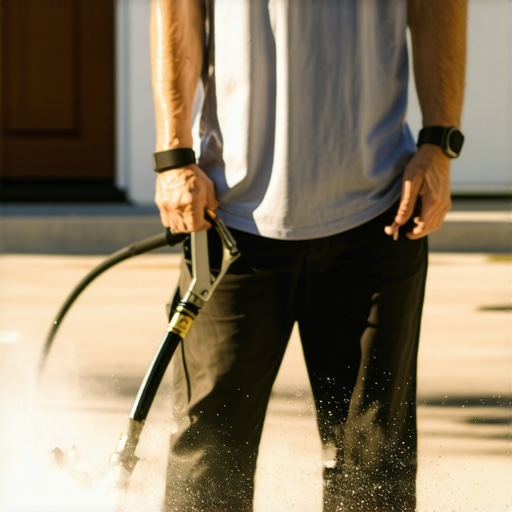
For example, a close-up shot of a professional-grade pressure washer in action, highlighting its adjustable nozzle and detergent tank, demonstrating its use for exterior maintenance.
The Hidden Gems in My Painting Journey
One of the most eye-opening lessons I learned was how surface preparation, especially micro-prep work, can make or break a paint job. Initially, I underestimated its importance, thinking it was just a minor detail. However, after experiencing peeling and early wear, I realized that investing in genuine surface prep, perhaps even exploring drone-assisted methods, can save you money and frustration in the long run. Moreover, I discovered that staying informed about innovative paints, like graphene-infused coatings, gives homeowners a significant edge against climate challenges and standard deterioration. Finally, the importance of scrutinizing contractor credibility, such as verifying licenses and spotting AI-generated or outsourced bids, cannot be overstated. It’s these insights that have transformed my approach from trusting superficial quotes to demanding detailed, honest proposals—ultimately ensuring quality results that last.
Tools and Resources That Changed My Approach
If you’re serious about mastering house painting, I recommend starting with trusted industry guides like the guide on spotting bio-primers, which helps identify substandard materials. For inspecting surfaces, a digital moisture meter is indispensable—preventing costly mistakes from trapped moisture. To vet contractors, utilizing comprehensive checklists like the local contractor vetting checklist ensures credibility and genuine craftsmanship. As I’ve learned, these tools provide clarity and confidence, turning what once was a guessing game into a strategic investment.
Embrace the Power of Bold Action
Your house deserves more than just a fresh coat—it’s an extension of your pride and a long-term investment. Now is the perfect time to educate yourself, ask tough questions, and push for transparency with your contractor. The future of house painting is evolving rapidly, with cutting-edge materials and techniques becoming standard. By taking proactive steps today—like demanding detailed bids, understanding innovative materials, and verifying contractor credentials—you not only safeguard your property but also set new standards for quality and durability. Remember, every effort you make now will pay dividends in a home that’s more resilient, beautiful, and truly your own. Your next painting project can be an empowering experience—start now.
Reading about the emergence of micro-prep fees really opened my eyes to how complex modern painting bids can be. In my recent experience, I once hesitated to pay extra for surface prep, thinking it was optional. But after seeing early peeling and needing to repaint sooner than expected, I realized how crucial thorough prep is. I’ve started requesting detailed explanations for prep work and materials used to avoid surprises.
It’s fascinating how new technologies like drone-assisted prep are reducing costs and improving quality, but it’s not always obvious how these advancements influence bids. Have you found certain techniques or materials that consistently justify higher micro-prep charges? Personally, I’m curious about how widespread the use of drone prep is becoming in the industry and whether it’s accessible for smaller projects or only larger jobs. Would love to hear others’ insights or experiences on balancing cost and quality when it comes to surface preparation.