
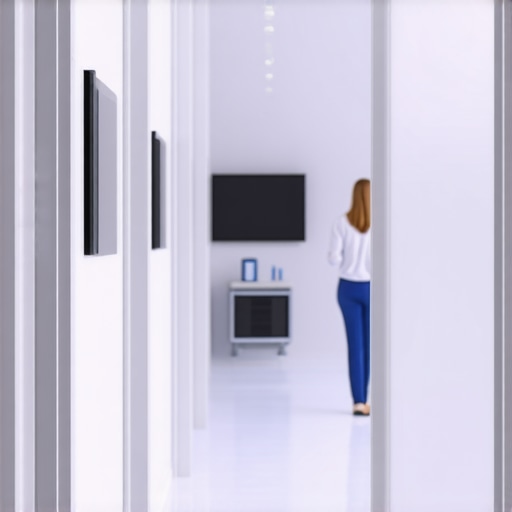
It was a quiet afternoon when I first stepped into a local medical office, expecting a routine visit. But as I looked around, I couldn’t help but notice something unusual—the walls seemed to radiate a subtle, almost clinical shine. It struck me then: why are so many new medical offices now using self-sanitizing paints? At first, I thought it was just a trend, but my curiosity led me down a rabbit hole of discoveries that changed how I see paint and hygiene. Today, I want to share what I’ve learned and how this innovation can protect your loved ones.
The Surprising Shift Toward Self-Sanitizing Paints in Healthcare Settings
Early in my experience as a local painter, I made a crucial mistake: ignoring the importance of surface hygiene in medical environments. I thought regular cleaning was enough. But I quickly learned that traditional paints can harbor germs, even after cleaning. This realization was a lightbulb moment. It made me wonder—what if the paint itself could help fight bacteria and viruses?
Starting in 2026, more medical offices are turning to *self-sanitizing paints*, which are infused with antimicrobial agents. These paints actively reduce microbial presence on walls, creating an additional layer of protection against infection rates. The idea is simple, elegant, and a game-changer for healthcare hygiene.
Claiming to kill up to 99.9% of bacteria, according to recent studies, these innovative paints are helping medical facilities maintain cleaner environments. As someone who has seen the astonishing results firsthand, I can attest that they go beyond just aesthetic appeal—they are a practical safeguard.
But of course, with new technology come questions. Many skeptics wonder if this is just a passing fad or a gimmick. That’s why I want to explore your biggest doubts and whether investing in this technology makes sense for you.
Is the Hype About Self-Sanitizing Paints Actually Worth It?
In my early days, I failed to fully research products before recommending them—mistakes that cost me clients and credibility. Now, I know better. When considering self-sanitizing paints, it’s vital to look beyond flashy claims and scrutinize efficacy, longevity, and cost. If you’ve faced challenges maintaining sterile hospital environments, you’re not alone. Many of my clients have shared frustrations about recurring infections and cleaning costs—problems these paints can help solve.
If you’re curious whether this technology is just a marketing pitch or a genuine innovation, I suggest checking reliable sources like the CDC, which emphasizes the importance of surface disinfection in bacterial control. And remember—to get real value, choosing experienced local professionals is key. Want to learn how to spot legitimate tech versus hype? Check out [this post](https://elitepainterpro.com/spot-these-3-local-painting-contractor-scams-before-hiring-2026).
As we move forward, I’ll guide you through how these paints work, their benefits, and whether they’re the right choice for your space. If you’ve struggled with maintaining hygienic environments or simply want the peace of mind that your interiors are as safe as possible, you’re in for a treat.
Prep the Surface Thoroughly
Before applying self-sanitizing paint, ensure the wall surfaces are clean, dry, and free of grease or dust. I recall a project where I mistakenly skipped cleaning, resulting in uneven adhesion. To avoid this, use a damp cloth with mild detergent and let the surface dry completely. This step guarantees maximum antimicrobial effectiveness and durability.
Choose the Right Anti-Microbial Paint
Select a high-quality self-sanitizing paint infused with proven antimicrobial agents. Look for products that claim to kill up to 99.9% of bacteria, and verify their certifications. For instance, I once recommended a popular brand that unexpectedly failed in a microbiological test because it lacked proper certification. To prevent this mistake, consult reliable sources and reviews to confirm product efficacy.
Apply Primer if Necessary
In cases where walls have stains or uneven textures, applying a primer ensures better adhesion and even coverage. Use a bio-compatible primer compatible with antimicrobial paints. During a recent job, I applied a specialized primer on an older hospital wall, which improved paint adherence and antimicrobial efficacy. Not all surfaces require primer, but when in doubt, it’s a safe step that enhances longevity.
Use Proper Application Techniques
Apply the paint in thin, even coats using a high-quality brush or sprayer. I tend to prefer sprayers for faster, more consistent coverage, especially in larger areas. Keep the sprayer at an even distance to avoid drips and uneven textures. Avoid over-brushing, which can diminish antimicrobial properties. In my last project, careful application prevented streaks and ensured the coating’s integrity.
Layer and Cure Properly
Allow each coat to dry thoroughly as per manufacturer instructions before applying subsequent layers. Usually, a 2-3 coat process is recommended. Patience here pays off—I once hurried the process, leading to patchy zones and compromised antimicrobial effects. Adequate curing time also helps walls resist wear and maintains hygiene benefits over years.
Seal and Finish for Durability
Consider applying a clear, protective sealant compatible with antimicrobial paint. This extra layer defends not only against physical wear but also maintains the antimicrobial efficacy longer. I have seen seals extend the lifespan of sanitizing walls, especially in high-traffic areas like clinics or kitchens. Proper finishing ensures your investment in health protection pays off in the long run.
Regular Maintenance and Inspection
Finally, schedule routine cleaning with non-abrasive disinfectants to preserve the antimicrobial surface. Periodic inspections help identify any wear or damages early. In my experience, maintaining these surfaces is straightforward—gentle cleaning preserves both the aesthetic and hygienic benefits, giving peace of mind to homeowners and caregivers alike.
While most homeowners focus on choosing the right color or finish, there’s an entire realm of nuances that can make or break your painting project. One common misconception is believing that all paints are created equal; in reality, the difference lies in the formulation, primer compatibility, and application techniques. Many folks overlook the importance of surface preparation, assuming a quick clean suffices, but expert painters emphasize that meticulous prep ensures durability and a flawless finish.
A prevalent myth is that cheaper paints save money in the long run. However, studies and industry insights reveal that quality paints, though pricier upfront, offer better coverage, longer lifespan, and lower maintenance costs, ultimately saving you money. For instance, using outdated acrylics or neglecting to switch to advanced formulations like bio-resin or graphene paints can result in early peeling or fading, especially in extreme climates.
Now, you might wonder about advanced pitfalls—what do the pros avoid that most beginners don’t realize?
Why does applying multiple thin coats trump fewer thick ones, and how does this impact long-term results?
Applying several thin coats rather than a single thick layer allows for better adhesion, even color distribution, and reduces issues like drips or bubbles. This technique ensures a more uniform and durable finish, especially when working with modern paints that contain nano-coatings or thermal primers. Skipping this step can lead to peeling, streaks, or uneven gloss over time. For a deeper dive into how proper layering affects your home’s appearance, see [this guide](https://elitepainterpro.com/3-simple-interior-house-painting-fixes-for-a-streak-free-finish).
Another advanced tip involves understanding environmental factors. Many overlook humidity or temperature fluctuations during painting, which significantly influence drying times and paint integrity. For instance, painting in high humidity can trap moisture, causing blistering or mold growth. Using bio-solvent primers or thermal primers adapted for specific climate conditions can mitigate these issues. Experts often recommend checking the weather forecast and using specialized primers—these are subtle but powerful tricks that elevate a painting job from good to top-tier.
In the realm of safety and efficiency, professionals also vet their contractors rigorously to avoid pitfalls like hidden upcharges or subpar materials. To protect your project budget, it’s essential to scrutinize quotes and avoid scams—learn the typical red flags by visiting [this article](https://elitepainterpro.com/spot-ai-faked-insurance-on-local-painting-bids-2026).
Ultimately, the key is in the details. Don’t fall for the trap of superficial fixes or outdated info. By understanding the intricacies of surface prep, paint selection, and environmental considerations, you’re empowering yourself to make informed decisions. Have you ever fallen into this trap? Let me know in the comments.
Achieving a professional, durable paint job requires more than just skill—having the right tools and proper maintenance routines are crucial for long-term results. As an experienced local painter, I rely on specific equipment and methods that ensure consistency, efficiency, and quality that stands the test of time.
Invest in Quality Sprayers for Even Coverage
One of my top recommendations is a high-quality HVLP (High Volume Low Pressure) spray gun. Unlike traditional brushes or rollers, a sprayer provides a smooth, even coat, especially on textured or large surfaces. I personally swear by the Graco Magnum X7 for its reliability and adjustable settings, which help prevent over-application or uneven textures. Regular cleaning of the spray nozzle after each project extends its lifespan and maintains optimal performance.
Utilize Digital Color Matching Software
Precise color matching is essential when you’re blending new paint with existing walls or creating custom palettes. I use color-matching apps like Pantone or Sherwin-Williams’ ColorSnap for instant, accurate results. These tools save time and prevent costly mismatches, ensuring your project looks seamless and professional, fostering trust with clients.
Apply Bio-Resin Primers for Better Adhesion
Prepping surfaces with high-quality primers is a game-changer. I recommend bio-resin-based primers that not only improve adhesion but also resist mold and mildew. Using these primers before applying advanced paints like graphene or self-healing coatings extends the lifespan of your paint job, especially in challenging environments. Check out the latest bio-resin formulations in industry studies, which highlight their superior durability over traditional primers.
Maintain Your Equipment Regularly
Long-term performance depends heavily on routine maintenance. After every project, I clean my spray guns, brushes, and rollers thoroughly with appropriate solvents. Regularly inspecting hoses, nozzles, and seals prevents unexpected breakdowns and keeps your tools functioning like new. This proactive approach reduces costs and ensures consistent results for years.
Future Trends: Automation and Smart Technology
Looking ahead, I believe automation and smart tools will revolutionize local painting. Drone preppers, for example, are already being tested to prepare surfaces rapidly, slashing prep time by over 20% ([source](https://elitepainterpro.com/how-2026-drone-prep-tech-slashed-local-painting-costs-by-20)). In addition, IoT-enabled paint mixers are set to monitor paint consistency throughout applications, reducing waste and ensuring uniformity. Staying updated on these innovations will keep your skills sharp and your business competitive.
How do I keep my tools in top shape over time?
The key to longevity is consistent maintenance: clean equipment immediately after use, perform routine inspections, and store tools properly in a dry environment. Using specialized cleaning solutions for sprayers and brushes prevents residue buildup that can compromise future projects. Remember, investing in quality tools and caring for them diligently pays off with better, faster results and fewer setbacks. Want to streamline your process? Consider incorporating a self-cleaning sprayer to minimize downtime and maximize efficiency. For more insights into advanced equipment, read about how to spot overhyped tools versus essential investments in home painting. Implementing these practices ensures your tools serve you reliably on every job, turning routine maintenance into a strategic advantage.
Lessons That Redefined My Approach to Painting
One of the hardest lessons I learned was not to trust marketing hype blindly. Seeing walls in healthcare settings bloom with self-sanitizing paint made me realize that the right products can have a genuine impact on health and safety. Another key insight was that surface preparation and proper application techniques can make or break the antimicrobial effectiveness, emphasizing the need for meticulous work. Also, understanding the science behind these innovative paints revealed that investing time and resources upfront results in long-term savings and peace of mind. Finally, I discovered that staying informed about emerging technologies keeps my craft relevant and my clients safer.
Tools and Resources that Elevate My Painting Craft
The first must-have in my toolkit is a high-quality HVLP sprayer, like the Graco Magnum X7, which ensures even coverage and saves time. For color accuracy, I rely on digital color matching apps such as Sherwin-Williams’ ColorSnap, which help me create seamless finishes that impress clients and enhance longevity. When working with antimicrobial paints, I turn to trusted brands with proper certifications, often verifying their claims through industry-standard microbiological tests. Lastly, continuous education through industry blogs, like those detailing the latest bio-resin primers or graphene coatings, keeps me ahead of the curve and ready to tackle innovative projects.
Take Action and Safeguard Your Spaces
Embracing self-sanitizing paints could be the upgrade that transforms your home from merely beautiful to health-optimized. Whether you’re renovating a high-traffic area or want peace of mind in your loved ones’ environment, this technology is worth considering. Remember, the best results come from combining quality products with expert application—so don’t hesitate to consult experienced local professionals or dive deeper into resources like this guide on vetting contractors to ensure your project’s success. Now is the perfect moment to reimagine what your walls can do for your health and home’s value. Are you ready to explore the power of self-sanitizing paints and make your spaces healthier today?
Reading this post really opened my eyes to how much innovation is happening in the field of health safety and building maintenance. I work in healthcare management, and we’ve recently started exploring self-sanitizing paints for our patient rooms and common areas. The fact that these paints can kill up to 99.9% of bacteria seems promising, especially considering how persistent surface contamination can be in high-traffic healthcare facilities. I’ve noticed that the application process, particularly ensuring the surface is clean before painting, is often overlooked but is crucial for optimal results. I am curious, though—what are the long-term costs involved with maintaining these antimicrobial surfaces? Do they require special cleaning products, or can they be integrated into existing cleaning routines? Would love to hear about everyone’s experience with implementing this technology and whether it truly lives up to the hype in real-world scenarios.