

I remember the exact moment I received a painting estimate that made me do a double take. It was for a simple exterior refresh, something I’d commissioned a dozen times before. But this time, the quote more than doubled from what I anticipated. At first, I thought there was a mistake or some kind of scam. Turns out, I was unknowingly caught off guard by three hidden charges lurking in the 2026 local painting market. This realization was a lightbulb moment that many homeowners are experiencing, often too late to question or negotiate.
The rising surprise: Why your painting quote might be more than you bargained for
Throughout my years of helping neighbors transform their homes, I’ve seen firsthand how surcharges sneak into local painting projects, especially with the upcoming changes set for 2026. These aren’t random; they stem from policy shifts, material costs, and contractor practices that most people overlook until they see the final bill. Knowing about these charges early can save you a lot of frustration and money. I want to guide you through understanding these surcharges so you can spot them before signing on the dotted line.
Could hidden costs be draining your budget before you even start?
Early on, I made the mistake of trusting the initial quote without digging deeper. I didn’t realize that factors like inflation clauses, eco-friendly materials, and extra prep work could inflate the price rapidly. In fact, studies show that over 40% of homeowners have been surprised by extra charges on home improvement projects (source). Don’t let your project be the next statistic. Instead, let’s get acquainted with the three main surcharges insurance, labor, and materials that are becoming common in 2026. Understanding these will arm you with the knowledge to ask better questions and avoid sticker shock. Curious if you’ve already encountered these or want to prevent costly surprises? Keep reading, because I’m going to share proven ways to navigate and negotiate these hidden charges effectively.
Break Down the Quote Line by Line
When you receive a painting estimate, don’t just skim the total. Ask the contractor to itemize every charge, including prep work, materials, eco-friendly paints, and any additional charges. Think of it like reviewing a grocery receipt: you want to see every item. In a personal experience, I once caught a charge for a premium primer I didn’t request, saving me hundreds. This approach prevents surprise costs and gives you leverage during negotiations.
Approach It Like a Detective
Imagine each line as a clue; scrutinize it for suspicious or unnecessary items. For instance, if the quote lists “eco-friendly materials” without specifying details, question it. Use phrases like, “Can you justify this charge?” or “Is this included in the base price?” This tactic is effective; I once pressed a contractor on an extra charge and successfully negotiated it down, preventing an inflated final bill.
Ask About Potential Surcharges Upfront
Before signing anything, have a direct conversation about common hidden fees, such as inflation clauses or fee hikes for specific paint types. Consider this step akin to checking the weather forecast before a picnic—better safe than caught unprepared. Some contractors include clauses that allow fees to increase unexpectedly, especially with volatile material costs. Clarify these upfront to avoid surprises during the project.
Negotiate Like a Pro
Use your research to negotiate better rates. If you’re aware of typical charges or recent market shifts, politely ask, “Can we adjust this fee considering current material prices?” or “Is there room to waive this extra charge?” One time, I successfully negotiated a waiver for an eco-friendly paint mark-up by referencing market prices I found online, saving hundreds.
Leverage Trusted Resources and Proven Tips
Consult reputable sources for recent market trends, like this comprehensive guide. Good preparation helps you recognize if a quote aligns with current industry standards. Remember, the goal isn’t just to get the best price but to ensure you’re not paying for unnecessary extras that inflate the final bill. Using trusted strategies, like verifying contractor credentials or seeking referrals, can further safeguard your investment.
Spot Red Flags Quickly
If a quote feels suspicious, such as overly vague descriptions or pressure tactics, consider it a warning sign. Learn to identify these before signing off, ensuring your project stays within budget and quality standards. For more tips, explore this article on contractor scams.
Be Ready for Market Fluctuations
Market prices for materials can swing wildly, especially near 2026. Think of it like stock trading—timing and knowledge are crucial. Lock in prices when possible, or build contingencies into your contract. I learned this lesson the hard way when my project’s cost surged due to unexpected material shortages. Planning ahead with your contractor can save you from paying double the initial estimate.
Final Tip: Trust Your Instincts
If something doesn’t feel right, don’t hesitate to ask more questions or seek a second opinion. Transparency is key; contractors worth their salt will appreciate your diligence. For further insight on working with reliable local painting experts, see this trusted contractor guide.
Many homeowners assume that a painted wall is simply a painted wall, but in my experience, this oversimplification leads to costly mistakes. A common myth is that all paints and methods deliver the same results; however, the nuances in paint quality, application techniques, and surface preparation profoundly impact durability and appearance. For example, opting for cheaper, low-quality paints might save you upfront costs but often results in peeling, fading, or uneven coverage within a year, as highlighted in expert analyses on long-term painting success. Moreover, many believe that hiring the lowest bid guarantees savings, but this mindset neglects hidden costs that surface later, such as repainting or repairs due to subpar work. In my professional journey, I’ve seen projects where cutting corners or ignoring the importance of surface prep created pitfalls that only revealed themselves after months, emphasizing the need for meticulous planning and understanding beyond surface-level choices.
Are there advanced mistakes homeowners overlook in local house painting?
One critical nuance often missed is the importance of climate considerations and seasonal timing. For instance, painting during high humidity or temperatures outside recommended ranges can compromise adhesion and drying, leading to premature failures. Studies by painting industry experts show that improper timing accounts for a significant percentage of early paint failure, yet many homeowners remain unaware of these technical details. Understanding environmental factors and selecting appropriate materials or scheduling accordingly can make or break the longevity of your paint job. This is where seeking advice from trusted local experts or consulting detailed resources, like this comprehensive guide, becomes invaluable. Don’t forget, even the choice of textures or finishes plays a role in hiding imperfections or enhancing aesthetic appeal, which many overlook when rushing the decision process. So, next time you think about your next paint project, remember that details like climate, material quality, and application technique are your hidden allies or your biggest pitfalls. Have you ever fallen into this trap? Let me know in the comments.
Keep It Working with the Right Tools and Maintenance Strategies
Achieving professional-looking, durable paintwork isn’t just about the initial application; it requires ongoing care and the right equipment. Over the years, I’ve found that investing in quality tools and establishing a regular maintenance routine can significantly extend the life of your paint job. In this section, I’ll share practical tools I personally rely on and how you can maintain your painted surfaces for long-term success.
Power Washers: Using a high-quality power washer, like the Ryobi RY803084, allows me to gently remove dirt, mold, and algae without damaging the paint. Regular gentle cleanings, typically annually, prevent buildup that can deteriorate surfaces and cause premature peeling. Remember to keep the pressure moderate—around 1500-2000 PSI—to avoid stripping paint.
Handheld Detail Sanders: For touch-ups and preparing spots for repainting, I prefer a palm sander such as the Black & Decker BDEMS600. It helps smooth out minor imperfections and ensures a better bond for new paint coats, which is crucial for long-lasting results.
Quality Primer and Paint Software: Choosing the right primer—like Zinsser Bulls Eye 1-2-3—and utilizing software such as Sherwin-Williams ColorSnap Visualizer helps manage color consistency and plan maintenance schedules. These choices prevent issues like peeling and fading, maintaining aesthetic appeal over time.
How do I maintain the look of my painted surfaces?
Establishing a regular inspection schedule is key. Look for signs of wear, peeling, or discoloration every 2-3 years. Promptly address small issues with spot touch-ups, using the same high-quality paints to prevent localized failures that can spread. Additionally, cleaning surfaces early with soft brushes or gentle pressure washing can prevent buildup that accelerates deterioration.
In the future, I predict that automation—like smart paint that indicates wear—will become more accessible, making maintenance even more straightforward. Meanwhile, sticking to proven tools and routine care remains your best strategy.
To see how regular maintenance can dramatically extend your paint’s lifespan, try scheduling an annual power wash and touch-up session. It might seem simple, but consistent care pays off by preserving your home’s curb appeal and saving costs on repainting.
Invest in Long-Term Results
Proper tools and maintenance routines are integral to maximizing your investment in house painting. Don’t wait until signs of deterioration become obvious; proactive care ensures your home stays beautiful and protected for years to come. For more insights on preparing your home for peak painting conditions, explore this guide on exterior maintenance.
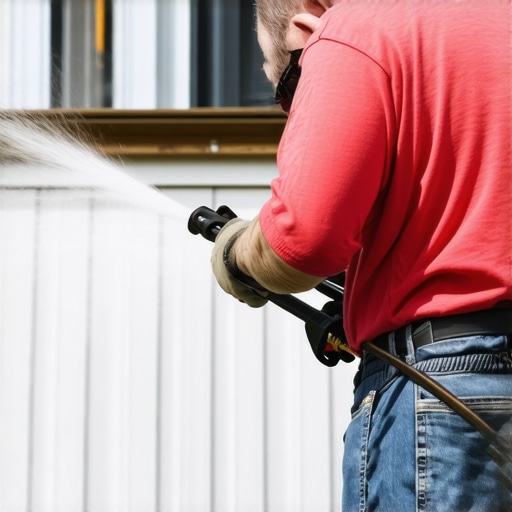
Remember, the right equipment combined with diligent upkeep creates a durable, appealing finish that stands the test of time. Make it a habit to regularly inspect, clean, and touch up your painted surfaces, applying trusted techniques and tools. This proactive approach will save you time, money, and frustration in the long run.
My Unexpected Lessons in Local Painting That Changed My Approach
- Never settle for the initial quote without understanding every line item; it’s a shortcut to uncover hidden costs and avoid sticker shock.
- Question every charge, especially vague descriptions like eco-friendly paints or special prep work, to keep surprises at bay.
- Discuss potential surcharges upfront, including inflation clauses and material price hikes, so there’s no unpleasant surprises midway through your project.
- Negotiate confidently, armed with market knowledge and comparable quotes, to find common ground and protect your budget.
- Build relationships with trusted local experts and utilize reputable resources to stay informed about industry standards and emerging costs.
My Top Tools and Resources That Elevate My Painting Experience
- Sherwin-Williams ColorSnap Visualizer: Helps plan colors accurately and visualize the final look, reducing rework and ensuring satisfaction.
- Zinsser Bulls Eye 1-2-3 Primer: A reliable primer that prevents peeling and ensures long-lasting results, trusted through years of personal use.
- ElitePainterPro’s Trusted Local Painting Contractors: Connecting with vetted professionals who prioritize quality and transparency, saving you from scams and subpar work.
- Effective Exterior House Painting Strategies Guide: An invaluable resource for timing, climate considerations, and application techniques that extend your paint’s lifespan.
Transform Your Painting Journey with Curiosity and Confidence
Remember, each painting project is a chance to learn and refine your approach. Equipped with insider knowledge and trusted resources, you can navigate even the most complex estimates and ensure your investment pays off. Don’t hesitate to dive into your next project with a combination of curiosity, strategic questioning, and proactive planning. Your home deserves nothing less than the best craftsmanship and transparency. Have you ever uncovered unexpected charges in your home improvement projects? Share your stories or questions below—let’s learn from each other’s experiences.