
![5 Costly Exterior House Painting Mistakes to Avoid [2026 Checklist]](https://elitepainterpro.com/wp-content/uploads/2026/01/5-Costly-Exterior-House-Painting-Mistakes-to-Avoid-2026-Checklist.jpeg)
I remember walking outside one bright Saturday, expecting my freshly painted house to gleam proudly—only to see uneven patches and drips splattering my siding. That frustrating moment was a lightbulb moment for me. I realized I had fallen into some common traps that can turn a straightforward paint job into a money pit. If you’re like I was, tired of repainting, or worse, dealing with peeling and bubbling paint—don’t worry. Today, I’m going to share the key mistakes to watch out for, so you can avoid costly fixes later on.
Why Skipping Preparation Can Cost You Big Time
One of the biggest pitfalls I encountered early on was rushing into the painting without proper prep. It sounds simple, but neglecting this step can lead to uneven coverage and premature wear. For instance, failing to clean your siding thoroughly can trap dirt and mildew, which hampers paint adhesion and shortens its lifespan. In fact, according to experts at trusted local painting contractors, meticulous surface preparation is the foundation of a successful exterior paint project. Skipping this can mean you’ll be back on the ladder sooner than you’d like, shelling out more cash for repairs.
Is rushing through prep really that risky?
Absolutely. I learned that the hard way when I painted over flaky, uncleaned surfaces. The result was peeling paint within months. This taught me that a little extra effort upfront saves a lot of headaches—and money—down the line. If you’re skeptical, consider the difference in durability between well-prepped surfaces and neglected ones. Proper prep involves cleaning, scraping, sanding, and priming, which might seem tedious but is absolutely worth it.
As we move forward, I’ll guide you through all the mistakes that can drain your wallet. From poor color choices to rushing the weather, I’ll cover every critical step to ensure your house’s exterior transformation is both beautiful and long-lasting. Ready to dive into the next steps? Let’s protect your investment and keep your home looking stunning for years to come.
Start With a Thorough Cleaning
Before you pick up your brush, ensure the surface is spotless. Use a pressure washer or a stiff-bristled brush with a cleaning solution suitable for your siding material to remove dirt, mold, and loose paint. I once skipped this step and painted over a moldy wall; the paint bubbled and peeled within months. Now, I always dedicate time to cleaning, knowing it forms the foundation for lasting results. Proper cleaning ensures the paint adheres well and provides a smooth finish.
Scrape Off Old, Flaky Paint
Next, use a sturdy paint scraper or a wire brush to remove peeling or loose sections. Think of this like removing rotten wood before building; if you leave the bad parts, the new layer can’t hold. I remember battling stubborn flakes on my old siding, spending an extra hour but ultimately avoiding future failures. Don’t rush this—loose paint is like a bad foundation; it compromises the entire project. Focus on getting as much flaky paint off as possible for a solid base.
Sanding for Smoothness and Better Bonding
After scraping, sand the surface to smooth out rough edges and create a micro-porous texture that helps paint grip better. Using a medium-grit sandpaper, I fixed a rough patch on my house and noticed the paint applied more evenly, with fewer drips. Sanding might seem tedious, but it’s crucial for a professional look and durability. Pay attention to corners and edges, which tend to trap old paint and debris, hindering adhesion.
Apply a Quality Primer
Priming is like laying a foundation before construction—it ensures the paint bonds properly and the color remains true. Choose a primer suitable for your siding material and condition; for stained or uneven surfaces, a stain-blocking primer is essential. I once painted directly over a stained surface without primer, and the stain bled through in weeks. Investing in good primer saves you from costly touch-ups later. Follow the manufacturer’s instructions to ensure proper drying times and coverage.
Seal Small Cracks and Gaps
Use exterior-grade caulk to fill any small cracks or gaps to prevent moisture intrusion and ensure a seamless surface. Neglecting these can lead to water damage and paint failure. I learned this after a rainy season caused my paint to bubble around window frames. Applying caulk might seem minor, but it’s a crucial step for long-term protection and a sleek finish. Make sure the surface is dry before sealing for optimal results.
Protect Surroundings and Prepare for Painting
Finally, cover nearby plants, walkways, and fixtures with drop cloths, and tape edges where necessary. This prevents accidental splashes and ensures clean lines. I once painted a fence without proper protection, resulting in tedious cleanup. Proper masking accelerates the job and provides a professional appearance, avoiding the frustration of cleaning up paint spills later.
Many homeowners believe that applying a fresh coat of paint is simply about choosing the right color and picking a good brush. However, as an experienced painter, I can tell you there are subtle pitfalls and misconceptions that can sabotage your project from the start. For example, a common myth is that all paints are equal, but in reality, using the wrong finish or neglecting surface specifics can lead to premature peeling or color fading. In my view, understanding these nuances is essential for achieving lasting results and maximizing your investment. One overlooked aspect is the importance of ambient temperature and humidity during painting—conditions that, if ignored, can cause the paint to cure improperly, resulting in cracks or bubbles. According to studies by the Paint Quality Institute, environmental factors significantly influence paint adhesion and durability. Moreover, many DIYers underestimate the significance of proper surface preparation tailored to specific materials. For instance, paint applied over a glossy surface without adequate sanding or etching often fails prematurely, despite what many beginners assume. This mistake is easily avoided by understanding that different substrates require different priming or preparation techniques, which is a nuanced aspect often overlooked. Another advanced mistake is rushing the drying process; applying a new coat before the previous layer has fully cured can cause the colors to bleed or develop texture issues. My advice is to always follow the manufacturer’s specifications for drying times—skipping this step can lead to costly rework. And don’t forget about the choice of tools—using inexpensive brushes or rollers may seem cost-effective but can leave behind fibers or uneven textures that compromise the finish. Upgrading to high-quality application tools ensures smoother, more professional results. If you’re interested in accelerating your house painting results while avoiding these common traps, I recommend exploring trusted local experts who specialize in precise surface prep and advanced techniques. For further insights, you might find it helpful to check out how local painting professionals prioritize surface conditions on this dedicated page about [premier house painting tips](https://elitepainterpro.com/premier-house-painting-tips-to-accelerate-results-build-trust-today). Remember, the devil is in the details, and knowing these hidden nuances can make all the difference in achieving a stunning, long-lasting finish. Have you ever fallen into this trap? Let me know in the comments.
Keeping Your Equipment in Peak Condition
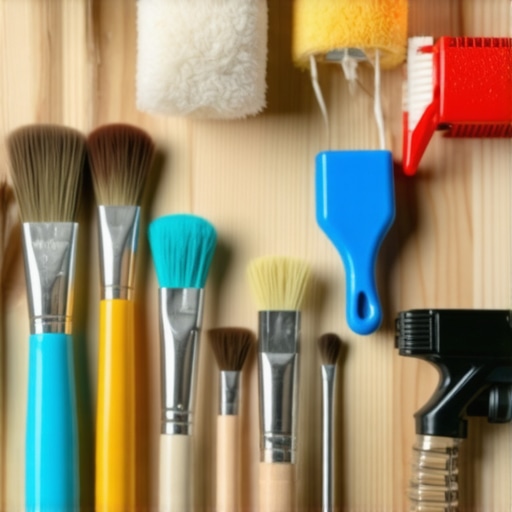
Proper maintenance of your painting tools is crucial for achieving professional results and prolonging their lifespan. I personally prioritize cleaning brushes and rollers immediately after each use with warm water and mild detergent, especially when switching between different paint types. This simple step prevents dried paint from ruining the bristles or rollers, ensuring consistent application every time. For sprayers, I recommend regularly inspecting and cleaning nozzles with solvent appropriate for your paint to avoid clogs. Investing in high-quality tools from brands like Wooster or Purdy has paid off for me, offering durability and a smoother application, which ultimately saves time and money in the long run.
Essential Equipment for Efficient Painting
From my experience, a high-quality extension pole is indispensable for reaching those hard-to-access spots without risking safety. I personally use a telescoping pole from Jackson PaintPro because it offers stability and adjustable length, reducing the need for ladders and minimizing fatigue. A good ladder with rubberized feet and a sturdy platform helps maintain balance during detailed work on higher surfaces. Additionally, an electric sander with dust extraction capability has significantly improved surface preparation speed and cleanliness, as recommended by professional painters. Using a laser level for precise line marking ensures clean edges and reduces touch-up time later, which I find invaluable for maintaining sharp lines on trim and borders.
Why Regular Equipment Checks Matter
Conducting routine inspections on your tools prevents unexpected failures during the project. Look for signs of wear such as frayed brushes or cracked seals on sprayers. Maintaining equipment not only improves finish quality but also extends its usable life. I set weekly reminders to check my tools, which helps catch issues early and avoids delays. For long-term results, maintaining your tools translates into consistent application, fewer rework sessions, and a more professional appearance—crucial when scaling your painting projects or handling multiple properties.
Predicting Future Maintenance Trends
As technology advances, I anticipate smart paint sprayers with integrated monitoring systems becoming standard, alerting you when cleaning or maintenance is needed, much like smart home devices. Quick compatibility with cleaning solutions and self-cleaning nozzles will likely become the norm, making upkeep even easier. Staying ahead means adopting these innovations early—an investment that pays off in efficiency and quality. If you’re looking to stay on top of these trends, I recommend checking out [trusted local experts](https://elitepainterpro.com/trusted-local-painting-contractors-for-rapid-exterior-house-makeovers) who are already leveraging the latest in equipment technology.
How do I keep my tools performing well over time?
Implement a regular maintenance schedule, including cleaning, inspecting, and storing tools properly. Avoid leaving brushes and rollers exposed to the elements; instead, store them in sealed containers or toolboxes. Applying lubricants to moving parts of sprayers can prevent rust and ensure smooth operation. Following these practices, as outlined in technical guides like those from Sherwin-Williams, ensures your tools remain in top condition, enabling you to deliver quality results consistently. Consider trying a high-grade brush cleaner or a collapsible roller for easy cleaning and storage—these small upgrades make a big difference in durability and performance. Remember, investing in proper maintenance isn’t just about preserving your tools; it directly impacts the quality and longevity of your painting projects.
What I Wish I Knew Before Picking Up a Brush
One of the most profound lessons I learned was that patience and preparation are two sides of the same coin. Rushing through surface cleaning or skipping primer might seem like minor shortcuts, but they can sabotage your project’s longevity. My biggest breakthrough came when I realized that every minute spent prepping can save hours of rework later. This understanding changed my approach from hasty to strategic.
The Power of Small Details
Another insight was the importance of tiny details—like sealing cracks or masking edges. Overlooking these can lead to premature peeling or uneven color. Once I embraced meticulous masking and filling, the results looked far more professional and lasted longer. It’s incredible how tiny tweaks can make a big difference in end results.
Building My Arsenal: Tools That Made the Difference
Over time, I discovered that investing in high-quality tools pays off. A sturdy ladder with a comfortable platform boosted safety and efficiency. An excellent brush from trusted brands like Purdy made the finish smoother and more consistent. For larger surfaces, a reliable extension pole reduced fatigue and improved coverage. Trusting these tools meant fewer frustrations and a more polished finish, affirming that quality truly matters.
Embracing Change: The Joy of Evolving Techniques
Initially, I stuck to basic brushes and rollers, but experimenting with spray equipment and advanced primers unlocked faster and better results. I found that adapting to new techniques not only accelerated my workflow but also enhanced the durability of my paint job. Staying open to learning from experts and exploring innovative solutions proved to be a game-changer in my painting process.
Curated Resources for the Aspiring Painter
One resource I swear by is the comprehensive guide at trusted local painting contractors. Their tips on surface prep and choosing the right products offer invaluable insights. Additionally, books like “The Complete Guide to Exterior Painting” broaden my understanding of materials and methods. For tools, brands like Sherwin-Williams and Benjamin Moore consistently deliver reliable paints and primers that withstand weather and time. Lastly, online forums and tutorials keep me updated on emerging trends and techniques, making me a better painter and helper for others.
Your Turn to Take Action
Remember, every successful house painting project begins with understanding these lessons and applying them thoughtfully. Whether you’re tackling your home or helping a friend, embracing preparation, quality tools, and continuous learning will set you apart. So, what’s one step you’re ready to take today to improve your painting results? Share below—I’d love to hear your plans or experiences!