
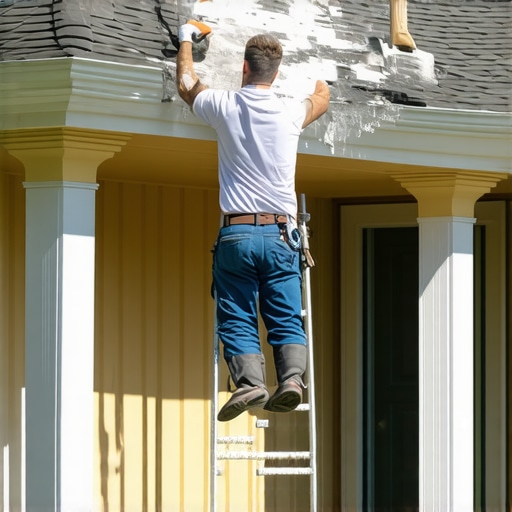
Walking up to a house, brush in hand, I remember the first time I bit off way more than I could chew. The paint was streaky, rushed, and ended up peeling faster than I expected. That moment was my lightbulb—realizing that fast, reliable exterior painting isn’t about rushing blindly but about strategic moves. If you’ve ever scrambled to complete a paint job before an event or overlooked key prep steps, you’re not alone. I’ve been there, and so have countless homeowners trying to balance quality with speed.
Why Speed and Trust Matter in Exterior House Painting
When it comes to painting the exterior, nobody wants to wait weeks for results that last. We live busy lives, and a fresh coat of paint can transform your home’s curb appeal—fast. But pushing too hard, too fast, often results in peeling, uneven coverage, and missed spots. I’ve learned that the secret isn’t just in working quickly but in applying the *right* strategies that deliver both speed and longevity. Discovering the best techniques has saved me time, effort, and constant touch-ups. According to a recent report by the Painting Contractors Association, using efficient, proven methods can cut project time by up to 30% while improving durability. So, how can you replicate this success?
Is Faster Always Better? My Biggest Skepticism
I’ll admit, I was once wary of shortcuts. My early mistake was skipping proper surface preparation. I thought, “A quick wash should do,” but that led to paint that didn’t adhere well. Trust me, I learned the hard way. The key is finding the sweet spot—speed without sacrificing quality. Want to know how seasoned local experts manage rapid, trusted results? Check out [effective exterior house painting tips](https://elitepainterpro.com/effective-exterior-house-painting-tips-to-speed-up-home-transformation-in-2025) that I now swear by. If you’re tired of endless repaint cycles or feeling overwhelmed, this guide will walk you through what really works. Ready to move past guesswork and see real progress? Let’s dive into practical steps that can elevate your painting game today.
Prioritize Surface Preparation for a Flawless Finish
Start by inspecting your home’s exterior for dirt, loose paint, mold, or peeling areas. Use a power washer to remove dirt and grime, much like cleaning a stubborn pan before cooking. This step ensures the new paint adheres properly and lasts longer. Don’t skip this; rushing through prep causes failures later. I once tried a quick wash, thinking it enough, only to see the paint peel within months. Proper prep saved me time in the long run. For a thorough clean, apply a gentle pressure setting on your washer and keep the nozzle at least 12 inches from your siding. After cleaning, let the surface dry completely—preferably overnight—before moving to priming.
Choose the Right Tools and Materials for Speed and Quality
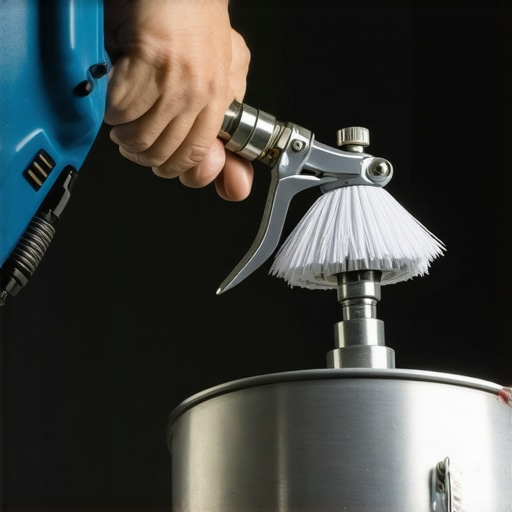
Select high-quality brushes, rollers, and sprayers suited to your siding material. Using a sprayer is akin to spraying perfume—cover large areas quickly but requires skill to avoid overspray. I once rented a sprayer and practiced on a scrap piece; it made the entire job faster and more even. Invest in a durable extension pole to reach higher sections without scaffolding, significantly reducing set-up time. For primers and paints, pick fast-drying formulas designed for exterior use; they allow you to move swiftly without waiting days between coats. Check out [best local painting strategies for fast results](https://elitepainterpro.com/best-local-house-painting-strategies-for-fast-trustworthy-results) for tips on selecting optimal products.
Apply Paint Using Skilled Techniques
Begin with edges and detailed areas using a brush for precision, then switch to a roller or spray for broad surfaces. Use the ‘W’ method with rollers to distribute paint evenly—like filling in a coloring book without leaving streaks. When spraying, maintain constant speed and distance—about 10-12 inches—to avoid drips and uneven coats. I recall holding the spray gun too close during my first attempt, causing drips and wasted paint. Practice makes perfect. Work from top to bottom to prevent streaks from fresh paint dripping down. Between coats, ensure each layer is sufficiently dry—this minimizes smudges and rework, saving valuable time. For comprehensive advice, see [top local painting tips to accelerate results](https://elitepainterpro.com/top-local-painting-tips-to-accelerate-house-painting-results-fast-2).While many DIY enthusiasts and even experienced painters focus on surface-level tips like choosing the right color or applying multiple coats, the true nuances of effective local house painting often go unnoticed. One common myth is that more paint or faster application guarantees better results. In reality, rushing can compromise adhesion, durability, and the overall finish. The real *secret* lies in understanding and mastering the intricacies of surface preparation, paint chemistry, and technique finesse.
Many assume that selecting the cheapest primer or paint will save money, but this often backfires. High-quality materials, although more expensive upfront, provide longer-lasting results and better color retention. A deeper misconception is believing that all brushes and rollers are created equal. Specialist tools designed for specific surfaces and paints can dramatically reduce application time and enhance finish quality. For instance, using a sprayer can accelerate the process, but only if mastered; otherwise, it can lead to overspray and uneven coatings, which you want to avoid. For guidance on tools and materials, check out [best local painting strategies for fast results](https://elitepainterpro.com/best-local-house-painting-strategies-for-fast-trustworthy-results).
Another trap is neglecting environmental conditions. Painting under high humidity or direct sunlight can lead to longer drying times, splots, or peeling. Advanced painters know that optimal weather conditions and timing are crucial and plan accordingly. Furthermore, understanding the chemistry behind different paints and primers can make or break your project. For example, latex paints are quick-drying and suitable for most exterior surfaces, but they may not adhere well on older, peeling paint without proper prep or priming. You might find more in-depth insights on selecting the right products by exploring [effective exterior house painting tips](https://elitepainterpro.com/effective-exterior-house-painting-tips-to-speed-up-home-transformation).
A sophisticated aspect many overlook is the importance of multi-layer application techniques. Applying thin, even coats and allowing proper dry times between layers ensures durability and a smooth finish. Skipping this step often results in uneven spots that require touch-ups, costing you more time in the long run. The polished approach involves strategic planning, patience, and knowledge—attributes that distinguish a DIY quick-fix from a professional-grade job. If you’re aiming for rapid yet reliable results, understanding these layers of nuance is essential.
Have you ever fallen into this trap? Let me know in the comments. Remember, mastering the art of house painting isn’t just about speed; it’s about precision, preparation, and knowledge that lasts.
Keep Your Equipment in Peak Condition for Reliable Results
One of my top priorities in maintaining high-quality exterior painting is ensuring my tools perform flawlessly from start to finish. I personally swear by using high-quality **airless sprayers**, like the Graco Magnum Series, due to their durability and consistent spray patterns, which help me achieve even coats rapidly. Regular cleaning after each use is vital; I rinse the paint lines thoroughly with water or solvent, depending on the type of paint, to prevent clogs. Dull nozzles or clogged filters can drastically reduce efficiency and compromise the finish. Additionally, storing equipment in a dry, temperature-controlled space prolongs their lifespan and prevents rust or damage over time. Investing in **maintenance kits** tailored for your tools ensures you’re ready at any moment to tackle your next project without delays.
Embrace Smart Techniques for Superior Long-Term Results
To optimize your investment, adopting advanced methods such as edge sealing can significantly extend your paint’s longevity. This involves carefully painting edges and trim with a brush to prevent paint from bleeding or chipping prematurely. I also recommend applying **multi-layer coats** with proper dry times, as highlighted by experts in [effective exterior house painting tips](https://elitepainterpro.com/effective-exterior-house-painting-tips-to-speed-up-home-transformation-in-2025). Using high-quality primers, especially bonding primers on challenging surfaces like brick or older layers, enhances adhesion and reduces the need for frequent touch-ups.
Predicting Trends in Painting Maintenance and Tools
Looking ahead, the integration of **smart technology** in painting tools may revolutionize maintenance routines. Imagine sprayers that self-clean or digital sensors that monitor paint consistency in real-time, ensuring optimal application every time. Staying updated with these innovations can save you both time and money, making your projects more predictable and durable over the years.
How do I keep my tools working over time?
Maintaining your painting equipment involves consistent cleaning, proper storage, and periodic inspections. For sprayers, running a solvent or water through the system after each use, depending on the paint type, prevents clogs and ensures smooth operation. Replacing worn nozzles and filters regularly keeps your spray pattern uniform and reduces material waste. Additionally, cleaning brushes and rollers with appropriate solvents prolongs their usability and maintains their efficiency. Keep an eye on seals and moving parts; lubricate them if necessary, to prevent breakdowns. Remember, well-maintained tools contribute directly to the quality and longevity of your paint job, saving you time and money in the long run. For more detailed guidance, check out [trusted local painting contractors](https://elitepainterpro.com/trusted-local-painting-contractors-for-fast-exterior-house-painting-success) who emphasize equipment upkeep as part of their success strategies.
Don’t hesitate to try implementing a regular maintenance checklist after your next project. Small, consistent actions ensure your tools remain reliable, helping you produce professional results every time. Whether you’re tackling small touch-ups or comprehensive exterior jobs, keeping your equipment in top shape is the foundation of long-term success in house painting.
3 Lessons That Changed the Game for Local Painting
- Sometimes, the biggest breakthrough comes from admitting what you don’t know—like realizing that rushing ruins durability. My early attempts proved that patience in prep and application always pays off in the long run.
- Even with speed, attention to detail matters. I learned that applying multiple thin coats with proper dry times yields better results than one thick, hurried layer—saving me headaches later.
- Tools matter more than I’d thought. Investing in quality sprayers and brushes, and maintaining them diligently, consistently elevated my work from average to professional-looking.
My Go-To Resources to Keep Improving
- Effective exterior house painting tips: This guide offers insights directly from industry experts and has drastically shortened my learning curve. Check out this resource for actionable advice.
- Top local painting strategies: Learning from seasoned local professionals through this article helps me adapt proven techniques suited for my climate and home style.
- Trusted local contractors: When I need expert help, knowing who has a reputation for speed and trustworthiness is essential. Their websites offer valuable tips and a sense of accountability.
Embrace Your Power to Create Beautiful Homes
If you’ve ever hesitated to start or felt overwhelmed by the scope of exterior house painting, remember that every skilled painter begins with small steps. With patience, strategic tool use, and learning from trusted resources, you can transform your home faster than you imagined. Don’t let fear of mistakes hold you back—your home’s curb appeal is within reach, and you have the ability to make it truly shine.
What has been your biggest challenge in exterior painting, and how did you overcome it? Share your story below—I’d love to hear about your journey!
.
I completely relate to the importance of surface preparation as highlighted in this post. Early in my DIY projects, I overlooked cleaning thoroughly, and it cost me dearly with peel-offs and uneven finishes. Since adopting a detailed prep routine, my results have improved dramatically, saving time and frustration in the long run. I especially appreciate the emphasis on choosing the right tools – investing in quality brushes and sprayers really makes a difference in achieving smooth, professional-looking coats without sacrificing speed.
I’m curious, has anyone tried using new technology, like self-cleaning sprayers or paint sensors? Do these innovations genuinely help with consistency and long-term durability? As someone eager to stay current with painting trends, I’d love to hear about experiences or recommendations from others. It seems like future tech could really streamline the process and improve outcomes, especially for larger projects or busy homeowners. What’s been your most valuable upgrade or tool that saved you time and enhanced your results?