
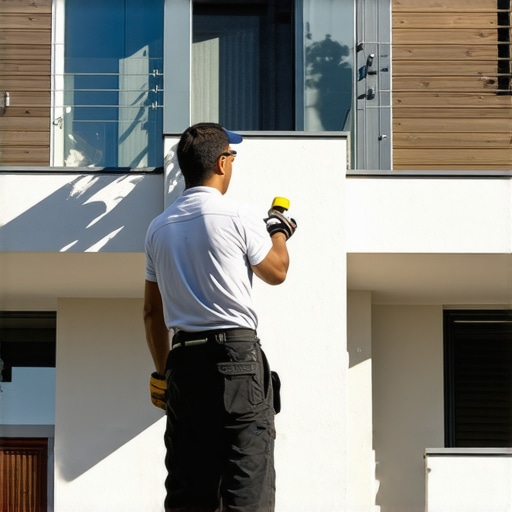
Ever spent hours painting only to step back and feel a pang of disappointment? That was me not long ago. I’d rush through a project, convinced that speed was the key to getting it done fast. But the truth hit me hard when my walls looked uneven, and trust with my clients started to waver. It was a lightbulb moment—quick results aren’t worth sacrificing quality and trust. So, I dove into the world of house painting tips, and let me tell you, a few simple tricks made all the difference.
Why Speed and Trust Matter More Than Ever in House Painting
In the busy world we live in, everyone wants fast results. But rushing often leads to sloppy work that can damage your reputation and cost you more time and money in the long run. Building trust with homeowners or clients hinges on consistent, quality results—something that can be achieved with the right quick tips. I’ve learned that when you focus on efficient techniques, you not only speed up your project but also boost your credibility. This balance of speed and trust is essential for any painter wanting to stand out in a crowded market.
Is Cutting Corners Actually Worth the Hype?
Early in my career, I made the mistake of skipping prep work to save time. It was a disaster. The paint peeled faster, and I had to redo sections, wasting more time than I saved. That mistake taught me a valuable lesson: skipping essential steps for quick results is a false economy. Instead, by mastering a few proven strategies, you can speed up your process without sacrificing quality. Want to learn how? Check out these expert painting tips that help you work smarter, not harder. Stay with me, because I’ll share the most effective quick tricks that can transform your house painting game today. Ready to boost your results and build lasting trust? Let’s dive in!
Prep Like a Pro to Save Time and Ensure Quality
Start by thoroughly cleaning and sanding surfaces before applying paint. I once skipped this step, rushing to finish a job, only to return a week later to peeling paint and unhappy clients. Proper prep creates a smooth surface, reducing the need for multiple coats and rework. Think of it as laying a solid foundation for a house; it sets the stage for everything that follows. Use high-quality primer on raw or stained surfaces to ensure better adhesion and durability, which minimizes touch-ups later.
Use the Right Tools for Faster, Cleaner Results
Invest in high-quality brushes, rollers, and painter’s tape. When I switched from cheap brushes to professional-grade tools, my painting speed doubled because I spent less time fixing brush strokes or cleaning up drips. For large areas, a roller with a thick nap makes the job quicker, while a brush is better for edges and detail work. Also, prep your tools before starting—fill paint trays, organize brushes, and tape off edges—this prevents delays mid-project. Think of your tools as your team; the better they perform, the faster and cleaner your work.
Master the Art of Efficient Painting Techniques
Adopt techniques like cutting in with a steady hand and using ‘W’ strokes for rollers. During a recent interior project, I practiced a smooth, continuous motion that minimized overlaps and streaks. This not only sped up the process but also resulted in a more professional finish. Keep a wet edge to avoid lap marks, and work in manageable sections—this prevents paint from drying before you finish. For exterior work, use a pole extension on your roller to reach high areas without ladders, speeding up the process while maintaining safety.
Optimize Drying and Recoat Times
Plan your work around the drying times of your paint. Some paints dry faster and allow for quicker re-coats, which can cut your total project time significantly. During a recent project, I used quick-drying paint on a small exterior wall, enabling me to finish in a single day instead of multiple days. Always check manufacturer instructions, and consider weather conditions—avoid painting in extreme temperatures or high humidity, which can extend drying times and cause delays. Strategically scheduling your tasks ensures continuous progress without unnecessary waiting.
Focus on Clear Communication and Trust Building
Keep clients informed about your process and timeline. I once faced a delay because I didn’t set expectations, but after explaining the steps and expected drying times, my clients appreciated the transparency. This builds trust and often leads to referrals. Use detailed estimates, updates, and quality photos of your progress to reinforce your professionalism. When clients see your efficiency and attention to detail, they’re more likely to trust your work and recommend you to others.
By integrating these practical steps into your workflow, you’ll not only accelerate your house painting projects but also foster lasting trust with your clients. Remember, speed is valuable only when paired with quality—think of it as the perfect recipe where each ingredient plays a vital role in the final dish.
Many DIY enthusiasts and even seasoned painters fall into traps because of misconceptions about house painting. Let’s dig deeper into what most people get wrong and how these myths can undermine your project. One prevalent misconception is that speed always comes at the expense of quality. While rushing can cause issues, mastering efficient techniques allows you to accelerate without sacrificing the finish. For example, using the right tools and techniques, such as adopting the ‘W’ roll method, can speed up your work significantly while ensuring a professional look. For more advanced tips, check out these expert strategies.
Myth 1: Skipping Preparation Saves Time
It’s tempting to cut corners here, but skipping prep work like cleaning, sanding, or priming often results in poor adhesion and peeling paint. This mistake can double your workload down the line. Proper preparation might seem time-consuming initially, but it’s an investment that pays off by reducing rework and touch-ups later. Remember, a smooth surface is the foundation for a durable, attractive finish.
Myth 2: More Coats Mean Better Results
Many believe applying multiple coats will fix poor initial coverage. However, applying too many coats can lead to uneven texture, longer drying times, and wasted material. Using high-quality paint and proper application techniques can often achieve excellent coverage in fewer coats. To optimize your process, explore these strategies for faster, trustworthy results.
Can Proper Technique Reduce the Number of Coats Needed?
Absolutely. Mastering techniques like cutting in carefully and using the right roller nap reduces the number of coats needed and speeds up the job. This is especially true when choosing paints with better coverage. According to expert sources, surface prep and application techniques play a critical role in minimizing coats and maximizing efficiency.
Myth 3: All Paints Dry at the Same Rate
That’s false. Different paints have different drying times, and weather conditions can dramatically influence these. Using fast-drying paints on exterior projects can cut your schedule in half but only if you follow application instructions carefully. Be aware of environmental factors and choose your products wisely. For detailed guidance, see these expert tips.
Myth 4: Trusting Cheap Tools Saves Money
Cheap brushes and rollers might save a few bucks upfront but often lead to more work due to uneven coverage, brush marks, and faster wear. Investing in quality tools ensures smoother application and faster results, ultimately saving time and effort. Remember, your tools are your team—equip them well to work efficiently.
In conclusion, debunking these myths and focusing on advanced techniques and proper planning will help you complete projects faster without sacrificing quality. Have you ever fallen into this trap? Let me know in the comments!
Keeping your painting equipment in top shape is crucial for ensuring consistent, high-quality results over the years. Just like a well-maintained car, your tools require regular care and some strategic upgrades to perform at their best. In this post, I’ll share the tools I recommend for maintaining efficiency and longevity, along with actionable tips on how to keep everything working smoothly.
Invest in Quality Brushes and Rollers
In my experience, high-quality brushes and rollers are worth every penny. I prefer synthetic brushes with fine bristles because they hold more paint and leave fewer brush marks. I personally use Purdy brushes for their durability and smooth application, especially on exterior surfaces. For rollers, I opt for a ¾-inch nap for most exterior walls, ensuring faster coverage without sacrificing detail. Regular cleaning and proper storage extend their lifespan, which is essential for maintaining consistent results. Check out trusted local painting experts for more on tool selection and maintenance.
Maintain Your Painting Equipment Effectively
Cleaning tools immediately after each use prevents paint buildup that can ruin brushes and rollers. I keep a bucket of water for latex paints and mineral spirits for oil-based paints. When cleaning brushes, I use a comb or a dedicated brush cleaner to remove dried paint from the bristles. Allow brushes and rollers to dry completely before storing them in a sealed container or wrapping them in plastic wrap. This simple step prevents damage and keeps your tools ready for the next project. For reconditioning older brushes, a quick trim with scissors can remove frayed bristles, restoring their shape and efficiency.
Upgrade Your Painting Supplies as Needed
Technology and materials evolve, and so should your tools. For large exterior jobs, I now use an airless sprayer for quick, even coverage. I personally prefer the Graco Magnum because of its reliability and ease of maintenance. Regular maintenance involves flushing the system after each use and checking for clogged nozzles. Investing in a quality sprayer not only speeds up large projects but also reduces the fatigue associated with brush and roller work, allowing you to maintain consistent quality throughout.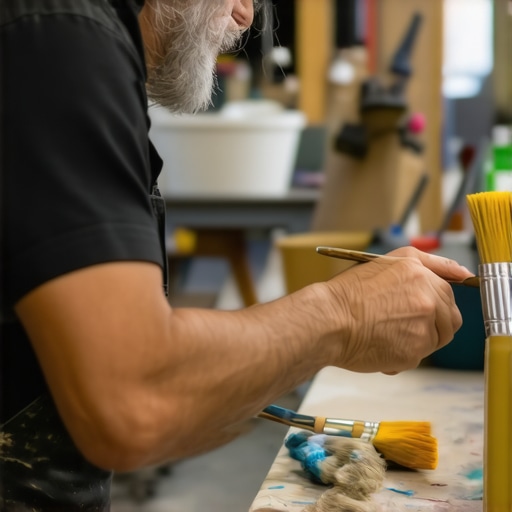
Prepare for Long-Term Use
Storing your tools properly is just as important as maintaining them. Keep brushes and rollers in a dry, cool place, and avoid leaving them exposed to sunlight or extreme temperatures. Labeling your equipment helps you keep track of what needs replacement or repair. Additionally, periodically inspect your tools for wear and tear—frayed bristles, cracked handles, or clogged nozzles are signs it’s time for an upgrade. Proper maintenance extends the lifespan of your equipment, saving you money and ensuring your results stay sharp over time.
What’s Next for Tool Innovation
Looking ahead, I predict that smarter, more durable tools will become the standard. Innovations like self-cleaning brushes or digital sprayer controls will make maintenance even easier. Staying updated with these advancements ensures you’re always working with the best equipment available, which ultimately leads to faster, more trustworthy results.
So, I challenge you to try one of these maintenance tips today—perhaps a thorough brush cleaning or upgrading to a reliable sprayer. Small improvements in your toolkit can make a big difference in your overall project quality and efficiency. Keep your tools in good shape, and your results will speak for themselves!
The Hardest Lesson I Learned About House Painting Speed
One of my biggest mistakes was rushing through prep work, thinking it was a waste of time. It cost me more in the long run when paint peeled and I had to redo sections, which delayed my schedule and hurt my reputation. This taught me that investing time in proper prep creates a smooth surface, reducing rework and ensuring your work lasts. Mastering this lesson was a game-changer for my efficiency and trustworthiness.
What No One Tells You About Tool Quality and Speed
I used to buy cheap brushes and rollers, convinced I was saving money. But I quickly realized that poor tools lead to uneven coverage, streaks, and slower progress because I spent more time fixing mistakes. Upgrading to high-quality tools like Purdy brushes and durable rollers sped up my work and improved results. Trusting the right gear is essential for building trust with clients through consistent quality.
The Surprise About Paint Drying Times and Scheduling
I never appreciated how environmental factors affect drying times until I experienced delays on a rainy day. Using fast-drying paints on exterior walls can cut project times dramatically, but only if you plan around weather and follow manufacturer instructions. Learning to schedule tasks intelligently around drying times means faster completion without sacrificing quality or trust.
My Unexpected Insight Into Technique and Efficiency
Mastering techniques like cutting in carefully and working in wet edges transformed my workflow. These small adjustments saved me time on each project and resulted in a more professional finish. Investing in training or practicing these skills can turn house painting from a slow chore into a quick, reliable process that clients will trust.
Curated Resources for Elevating Your Painting Game
- Effective House Painting Tips — A comprehensive guide I rely on for proven techniques that boost speed and quality. It’s packed with actionable insights that saved me hours on big projects.
- High-Quality Painting Tools — Brands like Purdy and Graco offer tools I trust for durability and performance. Investing in the right equipment pays off in faster, cleaner results.
- Weather & Drying Time Guides — Resources that help me plan projects around optimal conditions, ensuring faster drying and re-coats without delays.
Take Action and Elevate Your Painting Confidence
Now is the perfect time to implement these secrets into your house painting routine. Whether it’s refining your prep work, upgrading your tools, or mastering quick techniques, each step brings you closer to faster, more trustworthy results. Remember, the goal isn’t just speed—it’s creating lasting trust with your clients through quality work. So, what’s the first tip you’re excited to try on your next project? Share your plan below and start transforming your house painting game today!