
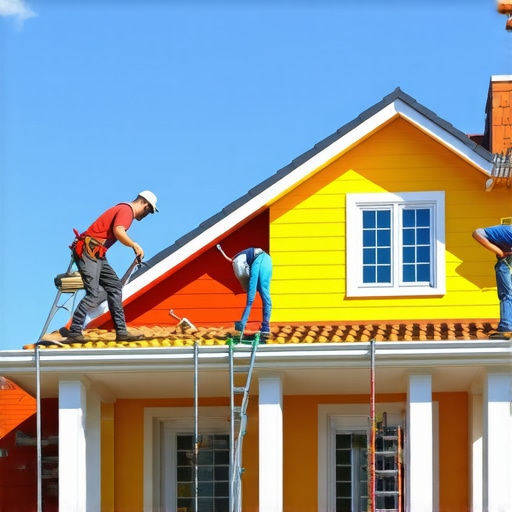
Have you ever stood in front of your house, paintbrush in hand, only to realize that half the day has slipped away, and you’re barely halfway done? I remember those frustrating weekends, battling weather delays, misunderstood techniques, and the endless cycle of redoing work because I didn’t have the right strategy. It felt like my home transformation was stuck in slow motion, and I couldn’t figure out how to speed things up without sacrificing quality.
Why Speed Matters When Painting Your Home’s Exterior
Let’s face it—waiting weeks or even months to refresh your home’s exterior can be downright exhausting. Not only does it leave your house looking worn-out, but prolonged projects also mean more disruption to your daily life. Plus, the longer a renovation drags on, the higher the chances of weather ruining your progress or mistakes costing you extra time and money. That’s why mastering the best exterior painting strategies is a game-changer. When I finally adopted some proven techniques, I cut my project time in half and achieved professional results faster than I ever thought possible. If you’re tired of slow progress and want your home to shine sooner, this post will guide you through some of the most effective tips to accelerate your exterior painting process.
Is Rushing the Painting Process Risky or Worth It?
Early on, I made a critical mistake—trying to rush through the prep work to save time, which led to uneven paint and peeling later. Trust me, skipping or rushing foundational steps can backfire. It’s tempting to skip steps like surface cleaning, sanding, and priming, but those are essential for a durable, flawless finish. The good news is, with the right approach, you can speed up your project without compromising quality. For example, I found that using quality tools and efficient techniques made all the difference. If you’re curious how to balance speed with quality, check out these proven tips for fast trusted results. They helped me turn what used to be a month-long ordeal into a manageable, even enjoyable task. Ready to learn how to do the same? Let’s dive into practical strategies that will transform your home faster and better than ever before.
Prep Like a Pro to Save Time
Imagine you’re about to paint your house, and you skip the cleaning step. It’s like trying to apply makeup over a greasy face—your paint won’t stick properly. The first step to fast, quality results is thorough prep. Use a pressure washer to blast away dirt and grime; it’s much quicker than scrubbing by hand. Sand rough patches swiftly with an orbital sander, which speeds up the process and ensures a smooth surface. Don’t forget to patch holes and cracks with quick-drying filler—this prevents later delays. By investing time in prep upfront, you avoid rework and get better adhesion, saving days overall.
Choose the Right Tools for Speed and Quality
Think of your tools as your race car; better tools mean faster laps. Use high-quality, wide-spray paint rollers for large surfaces—they cover more area in less time. A powered spray gun can drastically cut painting time, but it requires familiarity. I once experimented with a paint sprayer, and while the setup took some time, it paid off by halving my painting time. Always opt for brushes only where precision is needed—like edges or intricate trim—to avoid slowing down the entire project. Efficient tools make a huge difference, and investing in them is a shortcut to faster results.
Optimize Your Painting Technique
Imagine painting like a chef flipping pancakes—smooth, even strokes are key. Use long, continuous strokes and maintain a wet edge to prevent lap marks. When I painted my siding, I started from the top and worked down, which prevented drips from falling onto finished areas. Overlap each pass by a few inches to ensure uniform coverage. Don’t rush; instead, work systematically—fast but controlled. This technique minimizes rework and makes your work look professional. For a quick primer on efficient painting methods, check out these expert tips.
Use Fast-Drying Paints and Proper Weather Timing
Selecting quick-drying paint is like choosing a fast-setting glue—your project progresses faster. Look for paints labeled as fast-drying or quick-curing. I painted during a dry, mild day, which sped up drying and allowed me to apply multiple coats in a single day. Avoid painting in direct sunlight or high humidity; these conditions can prolong drying time. Planning your work around favorable weather is crucial for accelerating your project. For more insights on optimal timing, see these weather-smart strategies.
Harness the Power of Teamwork
Painting a house alone is like trying to run a marathon with weights—slow and exhausting. Enlist help if possible. With two or more people, you can divide tasks: one prepares surfaces, another applies paint, while a third handles touch-ups. I once painted my home with a friend, and we finished twice as fast. Clear communication and coordination are key. Assign roles and set a pace that keeps everyone moving without rushing into mistakes. When working as a team, you leverage collective speed and skill, making home transformation quicker and more enjoyable.
Streamline Your Workflow
Create a step-by-step plan, like a recipe, before starting. Prep, prime, paint, and clean as separate phases. Doing everything in an organized sequence avoids backtracking. Use drop cloths and painter’s tape strategically to save time on masking. I found that setting up all supplies beforehand prevented delays. Also, work in sections; don’t jump around randomly. This focused approach ensures steady progress. For additional tactics, see these workflow optimization tips.
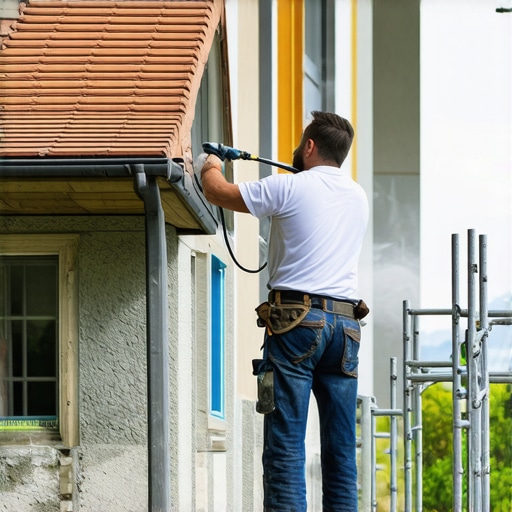
Many homeowners believe that rushing through exterior painting is a shortcut to finishing faster, but in reality, this approach often leads to costly mistakes. In my experience, one common myth is that skipping prep work saves time, yet neglecting proper surface cleaning, sanding, and priming can cause paint failure and require rework down the line. Trust me, it’s better to invest a little extra time upfront to ensure a smooth, durable finish that lasts longer and reduces the need for future touch-ups.
Another misconception is that using cheap tools or low-quality paints will speed up the process. However, inferior materials often result in uneven coverage, more coats, and longer drying times—all of which slow you down ultimately. High-quality tools like wide rollers and fast-drying paints, when used correctly, can significantly cut down your project time. For advanced painters, mastering techniques like spray painting combined with strategic planning can halve painting durations, as highlighted in expert guides like these proven tips.
What’s the real danger in rushing exterior house painting?
The biggest trap is sacrificing surface preparation for speed. Skipping steps like cleaning and sanding might seem like a time-saver, but it often leads to adhesion problems, peeling, and uneven color. This not only defeats the purpose of a quick project but ends up costing more time and money to fix issues later. Moreover, rushing can result in an inconsistent finish that diminishes your home’s curb appeal and trustworthiness in the eyes of visitors or potential buyers. According to industry experts, proper prep is the foundation of a successful, fast exterior paint job and should never be compromised.
So, how can you ensure rapid yet reliable results? The key is to focus on strategic workflow—preparing surfaces thoroughly, choosing the right tools, and timing your work around optimal weather conditions. Working with a team can also multiply your speed without sacrificing quality; just make sure everyone is coordinated and understands their role. For comprehensive strategies, check out these expert tips and avoid the common pitfalls that slow down your project.
Remember, rushing is tempting but often counterproductive. Instead, aim for a balanced approach that prioritizes quality and efficiency. Have you ever fallen into this trap? Let me know in the comments!
Maintaining your painted exterior is crucial to preserve its appearance and durability over time. Investing in the right tools and adopting proper maintenance routines can significantly extend the life of your paintwork and keep your home looking pristine. In this section, I’ll share the specific equipment I rely on and how you can implement an effective upkeep strategy.
How do I maintain my exterior paint over time?
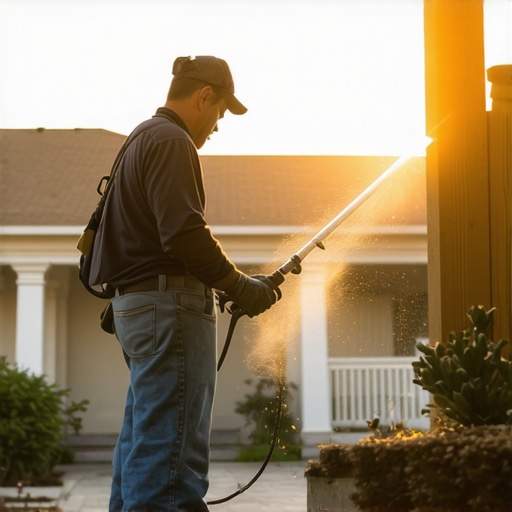
Regular inspections are the backbone of effective maintenance. I recommend walking around your property every few months to check for signs of peeling, cracking, or mold. Addressing minor issues early prevents them from escalating into costly repairs. For cleaning, a soft pressure washer with a gentle setting is my go-to tool. It efficiently removes dirt, algae, and grime without damaging the paint surface. When dealing with stubborn stains or mildew, a mixture of mild detergent and water applied with a soft brush works wonders. Always rinse thoroughly and allow surfaces to dry completely before applying any touch-up paint.
To keep your tools in top shape, I use high-quality brushes and rollers—specifically, synthetic bristle brushes for latex paints and microfiber rollers designed for smooth application. These tools not only improve the finish but also last longer with proper cleaning. After each use, I wash brushes in warm, soapy water and store them properly to prevent deformation. For sprayers, routine maintenance involves flushing with solvent or water, depending on the paint type, to prevent clogging and ensure consistent spray patterns.
Tools I recommend for best results
Investing in reliable equipment is a game-changer. I personally prefer the Wagner Control Spray Max for its versatility and ease of use. It handles large areas efficiently and produces a smooth, professional finish. When working on textured surfaces or intricate trims, a high-quality angled brush like the Purdy Accent Pro gives excellent control and precision. For quick clean-up and maintenance of your tools, I use a silicone-based brush cleaner and paint thinner, which prolongs the lifespan of brushes and sprayers alike.
Additionally, a sturdy ladder with non-slip feet and adjustable heights ensures safety and efficiency when reaching high areas. For long-term results, consider applying a protective clear coat over the painted surfaces after a few years. This extra layer shields your paint from UV damage, weathering, and pollution, keeping your home looking fresh longer. Future trends in exterior maintenance include smart coatings with self-healing properties, as highlighted in recent industry reports, which could reduce the frequency of touch-ups and repairs. Stay ahead by choosing tools compatible with these innovations.
Remember, consistent maintenance not only preserves your paint job but also saves you money in the long run. I highly recommend trying out a quality pressure washer and a durable sprayer—they make routine upkeep faster and more effective. Taking these small steps today ensures your home remains beautiful and protected for many years to come. For more expert tips on boosting your exterior’s longevity, explore these strategies.
< >
>
Lessons I Wish I Learned Sooner About Exterior Painting
- One of my biggest lightbulb moments was realizing that rushing surface prep is a false economy. Spending extra time cleaning, sanding, and priming upfront saved me hours down the line, preventing peeling and uneven coverage. It’s the foundation of a fast yet durable finish.
- I used to believe that cheaper tools would speed things up. Turns out, investing in high-quality rollers and sprayers doubled my efficiency and gave me flawless results—saving me from redoing work due to poor coverage or tool failure.
- Teamwork transformed my projects. When I coordinated with others, we divided tasks and worked systematically, cutting my painting time drastically without sacrificing quality. Clear roles and communication make all the difference.
My Go-To Tools for Rapid Home Makeovers
- Wagner Control Spray Max: It’s my favorite for large exterior surfaces because it’s fast and produces a professional finish. I trust it for consistent results without the fuss.
- Purdy Accent Pro: An angled brush that offers precision in tricky spots, saving time spent correcting mistakes. It’s a game-changer for trims and edges.
- Silicone Brush Cleaner: Proper maintenance of brushes extends their lifespan and keeps my workflow smooth. I rely on quality tools and proper care for best results.
Fuel Your Exterior Painting Journey
Now that I’ve shared my insights and favorite tools, I want to encourage you to take action. With the right techniques and resources, you can transform your home faster and more beautifully than you ever imagined. Remember, consistency and quality go hand-in-hand—so don’t rush the essentials, and your results will speak for themselves.
What’s the biggest challenge you face when trying to speed up your exterior house painting? Share your thoughts below!
This post really hits the mark on the importance of proper prep work before rushing into painting. I’ve learned from experience that spending extra time cleaning, sanding, and priming saves loads of time later on because it prevents peeling and uneven coverage, saving you the hassle of redoing sections. I also found that investing in quality tools like a good spray gun and wider rollers can truly cut down your total project time, especially on larger surfaces. I once hired a professional with a high-end sprayer, and the speed difference was remarkable compared to when I used cheaper equipment. It’s interesting how often homeowners overlook the value of teamwork; dividing tasks like prep, painting, and touch-ups between a few helpers can nearly double your efficiency. How do others manage to coordinate their team, especially if everyone is busy or new to exterior painting? I’d love to hear some tips on keeping the process smooth and enjoyable for everyone involved.
I completely relate to the frustration of spending an entire day just to get halfway through the house! Over the years, I’ve found that smart planning and the right tools really make a difference. Using a good quality pressure washer and a sprayer not only cuts down on labor but also gives a more uniform finish, which saves time in follow-up coats. I also agree with the point about team effort; even if you’re doing solo work, enlisting family members for prep and clean-up can really speed things up. What’s your experience with balancing the need for speed while ensuring the quality of the finish? Do you think investing in more advanced equipment really pays off, or are there simpler hacks that work well forDIYers?