
I’ll never forget the summer I decided to repaint my house’s exterior, thinking a fresh coat would boost curb appeal and protect against the elements. Midway through, I watched the paint peel faster than I could finish a cup of iced tea. That moment was a real eye-opener — I realized I was fighting a losing battle against the relentless 2026 heat waves without the right strategies. Have you encountered similar frustrations trying to get your home painted right before the summer scorches turn your effort into a wasted investment?
Why Weatherproofing Your Exterior Painting Matters More Than Ever
With climate patterns shifting, the summer heat of 2026 is proving to be more intense and unpredictable. This isn’t just about comfort; it’s about safeguarding your home investment and ensuring that your paint job endures. When I first started, I underestimated the importance of adapting my painting tactics to the searing temperatures. Early on, I made a costly mistake—applying paint in direct sunlight, which caused bubbling and uneven coverage, ironically making my home look worse than before! I learned the hard way that not all paint jobs are created equal, especially when the weather becomes a hostile climate.
Is Exterior Painting in Extreme Heat Truly Worth the Hype?
Absolutely, but only if you approach it with the right tactics. Many homeowners believe they can just crank up the hose or ignore the weather forecast — but that’s a recipe for disaster. Correctly timing your painting and selecting the right materials can make or break your project’s longevity. To steer clear of rookie mistakes and ensure your house can withstand the rising temperatures, it’s crucial to follow proven strategies. For detailed insights, check out how trusted local contractors are embracing these methods to produce fast, durable results within such harsh conditions.
Timing Is Everything: When to Paint in Extreme Heat
Choosing the right moment to paint is crucial; the ideal is early morning or late evening when temperatures dip below 85°F. I recall a summer morning when I started painting at sunrise; the cooler air helped the paint adhere perfectly, and I avoided drips caused by rapid drying. Avoid painting mid-afternoon when the sun is most intense, as heat causes paint to dry too quickly, leading to bubbles and uneven coverage. Check weather forecasts diligently and plan your work during moderate temperature days, ensuring humidity levels are within recommended ranges, such as 5 smart rules for exterior house painting in 2026 humidity.
Choosing Weather-Resistant Paints: Your Best Defense
Invest in high-quality, heat-resistant paints designed for scorching conditions. I once opted for a budget paint, expecting savings; however, it peeled after just one summer. Instead, I selected a product with advanced bio-resins that expand and contract without cracking (Pro painters swap traditional primers for bio-resins in 2026), which proved to be a game-changer. Look for paints with high UV resistance and flexibility features, which maintain their integrity despite temperature swings.
Proper Surface Preparation: Building a Strong Foundation
Clean surfaces thoroughly using a pressure washer or wire brush, removing loose paint, mold, and dirt. I remember rushing a prep job during a heatwave, which led to peeling within months. Applying a quality primer matched to your paint helps secure adhesion; for example, using an acrylic primer with elastomeric properties helps prevent cracks (see signs your contractor is cutting corners in 2026). Skipping this step or rushing it under hot conditions compromises durability significantly.
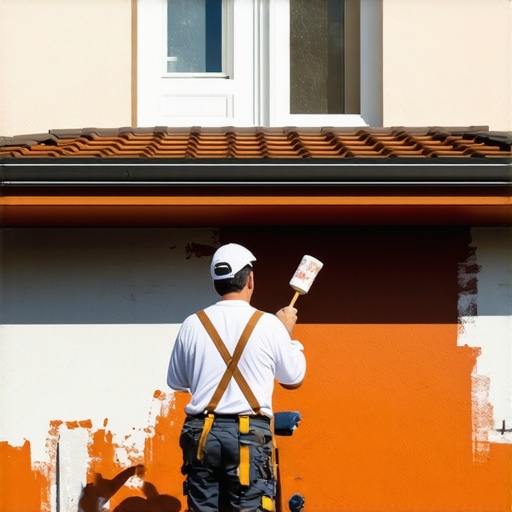
Here’s an image of a freshly pressure-washed exterior wall with primer application, illustrating the essential prep work before painting in summer heat. Proper surface prep ensures your investment lasts longer, even in extreme weather.
Optimal Application Techniques for Heat
Apply paint with a high-quality brush or roller designed for exterior use, working in small sections to prevent the paint from drying too quickly. During my last project, I worked on a shaded side first, using a 4-inch brush to get into corners, then moved to sunnier areas. Always maintain a wet edge to avoid lap marks, and avoid over-brushing or applying thick coats. Thin, multiple layers dry more evenly and resist peeling. Consider using a sprayer for large surfaces, but ensure consistent passes to avoid overlap issues, which can be exacerbated by heat.
Keep Cool, Stay Efficient
Use a damp cloth to cool surfaces if they become too hot before painting, and always work with a shade canopy if possible. I learned this the hard way when I ignored sun exposure on a southern wall; the paint blistered within days. Proper planning and surface cooling techniques extend your work window and improve application quality.
Post-Painting Care: Securing Long-Term Results
Allow sufficient curing time, which can be longer in high temperatures; avoid heavy rain or watering during the first 72 hours. During a recent project, I delayed a final inspection until several days after application, ensuring the paint was fully cured. Regular maintenance, such as washing the exterior twice a year, also helps preserve the integrity of your paint job. For additional strategies to accelerate house painting success and avoid costly mistakes, explore 5 costly exterior house painting mistakes to avoid in 2026.
Many homeowners believe that selecting the cheapest paint guarantees savings, but in reality, low-quality products often lead to faster peeling and chipping, resulting in higher costs over time. It’s a common misconception that more coats always mean better coverage; however, applying too many thick layers can cause runs and uneven drying, especially in extreme weather conditions like those in 2026. One overlooked nuance is the significance of surface preparation, which many rush through, leading to paint failure even with the best materials. Properly cleaning and priming surfaces ensures better adhesion and longevity, but beginners often neglect this critical step, risking costly rework. Furthermore, the myth that painting during peak sunlight improves finish is false; hot surfaces cause rapid drying and bubbling. Advanced painters optimize timing and use cooling techniques for flawless results. Did you know that some contractors intentionally overpromise to secure jobs, only to deliver subpar work? Always verify credentials and look for transparent quotes—learn how to identify and avoid these pitfalls by exploring trusted local painting tips. Understanding these subtle truths can save you time, money, and frustration, especially when facing the complex challenges posed by the intense heat of 2026. To deepen your knowledge, check out expert advice on how to spot a fake license when hiring local contractors and accelerate your house painting success with trusted professionals. Remember, successful painting isn’t just about choosing the right color—it’s about mastering these hidden nuances for lasting beauty and durability.
When tackling house painting, especially under the harsh conditions of 2026, having the right tools and a solid maintenance plan is essential for lasting results. Personally, I rely heavily on high-quality sprayers, which allow me to cover large areas quickly while ensuring an even coat. For example, I swear by the Wagner Control Pro 250 which offers adjustable pressure settings, giving me precise control over spray patterns and reducing overspray—making it ideal for exterior surfaces that need a smooth, durable finish in extreme heat. Additionally, a durable ladder and scaffolding system are non-negotiables for reaching higher elevations safely and efficiently, saving me time and reducing fatigue during long projects.
To prepare surfaces effectively, I always use a professional-grade pressure washer with variable nozzle settings. This tool strips away dirt, mold, and loose paint without damaging the substrate, which is crucial for maintaining the integrity of the paint layer over time. Regularly inspecting these cleaned surfaces with a moisture meter helps me identify areas vulnerable to water infiltration or cracking, allowing for targeted touch-ups before problems escalate.
For long-term upkeep, I employ a maintenance schedule that includes biannual washings with gentle, eco-friendly cleaners to remove accumulated dirt and prevent mold growth. Applying a high-quality, clear protective coating every few years can double the lifespan of your paint job, especially in areas exposed to intense sunlight and heat. Modern sealants formulated with UV-blocking agents are game-changers, providing an extra layer of defense against fading and cracking. Think of it as a sunscreen for your home’s exterior—investing in good products now saves significant money on repairs later. For more detailed insights, trusted local contractors recommend tools like the DeWalt DCH593X1 for powerful, cordless surface scrapers that make maintenance tasks easier and more efficient (see expert tips here).
How do I keep my paint job in peak shape over time?
Regular inspection and prompt touch-ups are key. Quickly repairing minor chips or cracks with a high-quality filler and repainting small areas prevents moisture intrusion and deterioration. Using a dedicated paint sprayer with adjustable settings, like the Wagner Flexio 3000, helps maintain a consistent finish with minimal effort. Additionally, scheduling periodic roof and gutter checks prevents water from seeping into walls, which can cause peeling and mold growth beneath the paint. Embracing technology, such as moisture meters and UV-resistant sealants, ensures your investment lasts longer. Looking ahead, the trend toward integrated exterior maintenance systems—combining sensors and smart coatings—is set to revolutionize how homeowners preserve their properties, making proactive upkeep more manageable and effective. To optimize your approach, consider trying the advanced spraying techniques and protective coatings discussed here—your house will thank you for it! For comprehensive strategies, trusted local experts can guide you through custom maintenance plans tailored to your climate and home material (learn more about top contractors here).
Hidden Lessons That Changed My Approach to Exterior Painting
I realized that patience and precise timing are crucial when painting in scorching heat, as rushing can lead to peeling and uneven coverage. Waiting for cooler parts of the day and preparing surfaces meticulously transformed my results.
Consistency beats speed. Using the right tools and techniques, even if they take a bit longer, results in a finish that lasts far longer. Investing in quality brushes, sprayers, and sealants makes all the difference.
Don’t underestimate surface prep. Neglecting cleaning and priming might seem like time-saving shortcuts, but they often cause future headaches. Proper preparation is the backbone of durability, especially under extreme weather conditions.
Tools and Resources That Elevated My Painting Game
For anyone serious about exterior painting, I recommend the Wagner Control Pro 250 sprayer for its precise and even coatings. High-quality, UV-resistant paints like Behr Premium Plus Ultra have consistently stood the test of time for me. Moisture meters from Extech help identify hidden issues that could compromise your paint job in the long run. Finally, books like The Complete Guide to Exterior House Painting by Scott Carpenter offer insights beyond basic tips, helping you understand the nuances of outdoor painting in challenging climates.
Embrace the Challenge and Make It Your Masterpiece
Painting your home in extreme conditions might seem daunting, but with the right knowledge and tools, it becomes an opportunity to master a craft that safeguards your investment. Every brushstroke in challenging weather builds your confidence and sharpens your skills—so don’t hesitate to take that first step. Remember, your home deserves the best, and learning to work with nature’s whims ensures lasting beauty and protection.
What unexpected lesson has changed the way you approach home improvement projects? Share your story below!