

It was late one afternoon when I opened my garage and saw a small bucket of leftover paint from my last project. I thought, “Great, I can just finish that little touch-up tomorrow.” But as I dipped my brush and started painting, I instantly knew something was off. The color didn’t match seamlessly, and a strange inconsistency began to emerge. That’s when I experienced my lightbulb moment: never, ever mix different brands of leftover paint without understanding the risks.
The Hidden Risks of Blending Paints
Mixing leftover paints might seem like a smart way to save money and cut down on waste, but it often leads to unexpected problems that can ruin your entire painting job. Different brands, and even different batches within the same brand, can have varying formulas, ingredients, and drying times. When combined, these differences can cause adhesion issues, uneven textures, or color inconsistencies. I learned this the hard way early in my painting journey, by ignoring my own advice and trying to save a few dollars. The result? Peeling paint, blotchy patches, and the frustration of redoation.
If you’re like me, you’ve probably wondered whether all these warnings are overkill. Well, studies show that incompatible paints can lead to peeling and cracking, especially on exterior surfaces where weather plays a role. For more insight, check out [this article](https://elitepainterpro.com/the-real-reason-your-exterior-paint-faded-after-just-one-summer), which explains how incompatible paint layers can degrade over time.
But don’t worry—today, I promise to guide you through understanding why mixing brands is a rookie mistake and how you can avoid it to ensure a flawless finish.
Is it really worth risking your wall’s integrity for a tiny save on paint?
Initially, I thought mixing leftover paints wouldn’t do much harm, especially if the colors looked similar. That was a mistake. The best way to prevent costly repairs down the line is to use the same brand, and preferably the same batch, for your entire project. Mixing can compromise the paint’s adhesion and durability, leading to issues that are much more expensive to fix than buying a fresh can.
Have you ever faced problems after mixing leftover paint? If so, you’re not alone. Many DIYers and even pros underestimate this crucial detail, but understanding it can save you time, money, and headaches in the long run.
Choose the Same Brand and Batch Before You Start
Remember my mistake with mismatched paints? To avoid uneven color or adhesion issues, always select leftover paint from the same brand and batch. Before you begin, check the batch numbers on the cans; this ensures uniformity in color and formula. I learned this by carefully inspecting my leftover paints and realizing that even small batch differences caused noticeable color shifts after drying.
Prep and Mix Thoroughly to Achieve Consistency
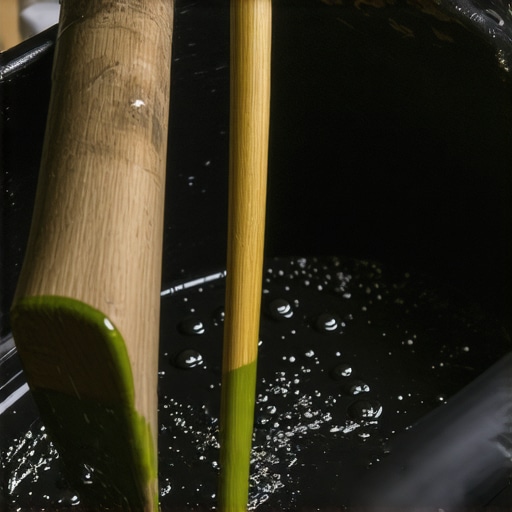
Stir the paint thoroughly with a clean stir stick, breaking up any settled pigments. For a more uniform mixture, pour the paint into a larger container and stir with a paddle attachment if you have a drill. This step prevents streaks or color inconsistencies, which I’ve seen turn a beautiful job into a patchy mess. Micro-stirring is especially important when blending small quantities, as uneven mixing can result in visible patches once applied.
Tune the Paint’s Viscosity Correctly
Test the paint’s flow by dipping your brush or roller—if it drips slowly, it’s ready. If it’s too thick, add a small amount of the same primer or thinning agent recommended by the manufacturer, and stir well. Using overly thick paint can cause roller fuzz, drips, or incomplete coverage. I once added too much water to thin paint and ended up with peeling and bubbling months later. Testing viscosity with a simple thumb or finger can save you from such costly errors.
Perform a Patch Test to Prevent Disasters
Apply a small patch of the mixed paint on an inconspicuous wall area, then let it dry completely. This test reveals potential adhesion or color issues before committing your entire surface. I recall a time I painted a test patch on a piece of scrap drywall, only to see the color was slightly off after drying. That extra step saved me from repainting an entire wall because of mismatched shades or poor adhesion.
Apply in Consistent, Overlapping Strokes
Use high-quality rollers or brushes, maintaining a wet edge to avoid lap marks. Overlapping each stroke seamlessly ensures even coverage. When I painted my living room, I kept a steady pace and slightly overlapped strokes, which resulted in a professional finish. Rushing or inconsistent strokes often cause streaks and patchiness, especially when using leftover paint that may have slightly different drying properties if not mixed properly.
Monitor Drying and Touch Up Carefully
After application, inspect the surface once the paint is dry. Use a bright flashlight to spot uneven areas or thin spots. For touch-ups, dab additional mixed paint into these zones, blending gently to match the surrounding finish. I once missed a small patch that looked fine initially but showed a noticeable difference days later. Vigilance during drying helps catch such issues early, preventing the need for full rework.
 Many homeowners and even some professionals often think that applying paint is just about choosing the right color and brushing it on. However, what most people overlook are the subtle nuances that can dramatically affect the final result. Let’s dig deeper into what frequently gets misunderstood and how to avoid costly mistakes. While the popular belief is that a good-quality paint guarantees a flawless finish, in reality, preparation and technique are just as vital. For instance, inadequate surface cleaning or skipping primer can cause peeling, regardless of paint quality. This misconception can lead to premature deterioration, as highlighted in discussions about exterior paint failure, where surface prep accounts for up to 80% of longevity.
Another common myth is that multiple thin coats are better than one thick coat. On the surface, this seems logical, but applying too many thin layers can lead to uneven drying, resulting in a patchy appearance and extended project time. Properly done, two well-application coats often outperform several thin ones, ensuring durability and a more uniform look. For advanced painters, understanding these nuances can elevate the quality of their work.
One hidden trap many fall into involves choosing the wrong type of paint for the environment—particularly with white trims or exterior surfaces. For example, using standard latex on high-traffic areas or humid environments can lead to quick deterioration, including discoloration or peeling. Opting for specialized formulas, such as scuff-resistant or moisture-barrier paints, can mitigate these issues. For deeper insights, you might find this article on how exterior paint can fade faster than expected useful.
What advanced mistakes do amateurs often make that pros avoid?
In my experience, one advanced mistake is neglecting to perform adhesion tests before starting a project. Skipping this step can result in paint delaminating from improperly prepared surfaces—particularly problematic on glossy or oil-based surfaces. A simple adhesion test, like the tape pull test outlined here, can save hours of rework. Moreover, overlooking environmental factors like humidity and temperature at the time of painting can lead to bubbling or uneven drying, issues that are often misunderstood as application errors but are actually conditions that can be monitored and controlled.
Ultimately, appreciating these hidden nuances transforms a good house painter into a great one. Paying close attention to surface preparation, understanding paint chemistry, and respecting environmental factors are all essential for a lasting finish. As you prepare for your next project, ask yourself: Are you considering these finer details? If not, you might be missing out on achieving professional-level results. Have you ever fallen into this trap? Let me know in the comments.
Maintaining a high standard in house painting requires more than just selecting the right paint and applying it properly. The tools you choose and the methods you employ play a crucial role in ensuring long-lasting, professional-looking results. One indispensable tool I recommend is a high-quality paint sprayer, such as the Wagner Control Pro 150, which delivers even coverage and reduces brush marks, especially on large exterior surfaces. To maximize efficiency, I use a pressure-controlled sprayer, allowing precise adjustments for different textures and surfaces, minimizing overspray, and ensuring a smooth finish. Additionally, investing in a multi-function roller with an ergonomic handle not only improves ease of use but also helps achieve uniform coats, reducing fatigue on longer projects. For prepping surfaces, I rely on a professional-grade sander with a HEPA vacuum attachment; it minimizes airborne dust and ensures the surface is perfectly smooth, which is vital for adhesion and durability. Proper surface prep is foundational, and using the right sanding tools can make the difference between a lasting finish and peeling paint down the line. Moreover, I use a digital moisture meter to assess wood and wall dryness before painting; this prevents issues like bubbling or peeling caused by trapped moisture. As technology advances, I foresee smart paint sensors becoming more mainstream, providing real-time data on wall conditions during painting, which will help prevent failures before they start. To keep everything working smoothly over time, regular maintenance of your tools is essential. Clean sprayers immediately after use, store rollers in airtight containers, and calibrate your tools annually. Matching your techniques with these carefully selected tools ensures your work remains durable and visually appealing. If you haven’t tried a professional-grade sprayer or the multi-function roller, now’s the perfect time to upgrade your toolkit. Doing so is a game-changer for achieving that flawless finish that lasts.
Lessons That Stuck With Me Beyond the Brush
- Never underestimate the power of consistency—using the same brand and batch of paint is a small step with huge long-term benefits, a lesson learned after countless touch-ups and rework; it taught me that attention to detail at the start saves time and money later.
- Preparation isn’t glamorous but it’s everything—skipping surface cleaning or a patch test has cost me dearly in the form of peeling paint or uneven color; now I know that thorough prep is the backbone of a durable, beautiful finish.
- Tools can make or break your project—investing in quality sprayers, rollers, and even moisture meters has dramatically improved my results; these gadgets help me catch problems early and apply paint with the finesse of a pro.
- Environmental awareness matters—painting in optimal conditions prevents issues like bubbling or premature fading; understanding how humidity and temperature affect drying times transformed my approach to scheduling painting days.
- Continuous learning pays off—reading expert guides and experimenting with techniques, like the simple tape test or using the ice-cube trick to evaluate drying, have expanded my repertoire and boosted my confidence in tackling challenging spots.
Tools and Resources That Elevated My Craft
- High-Quality Sprayers: A versatile pressure-controlled sprayer like the Wagner Control Pro 150 allows even coverage, saving time on large surfaces and reducing uneven textures. Trust me, upgrading your toolkit makes a noticeable difference.
- Favorite How-To Guides: The simple tape test article helped me identify adhesion issues early, avoiding costly rework. Learning from seasoned pros accelerates growth.
- Surface Preparation Accessories: I swear by a HEPA-vacuum sander for smooth, dust-free surfaces—crucial for adhesion and longevity. Pairing proper prep tools with good techniques secures professional results.
- Moisture Monitors: A digital moisture meter prevents me from painting over damp drywall or wood, protecting against peeling and bubbling. It’s a small investment that pays for itself in saved headaches.
Your Next Steps in Painting Like a Pro
Remember, mastering house painting is a journey filled with personal discoveries and improvements. Don’t shy away from experimenting with tools, reading expert advice, or taking your time with prep—these are the things that turn a good paint job into a lasting masterpiece. Whether you’re planning your first project or your tenth, embracing these insights ensures your walls will look stunning and stand the test of time. Are you ready to put these lessons into action on your next house painting adventure? Share your plans below and join a community striving for excellence.
About the Author
Aqil Ahmad
Leading Elite World Travel and Tourism L.L.C with ...
Aqil Ahmad is a seasoned professional with a distinguished background in high-level service management and operational leadership. As a key contributor to elitepainterpro.com, he brings a wealth of experience from his tenure leading Elite World Travel and Tourism L.L.C, where he cultivated a deep understanding of hospitality and premium service standards. His career is marked by a commitment to excellence, having spearheaded major initiatives across international markets, including the USA. This global perspective allows Aqil to provide unique insights into the professional painting industry, focusing on quality control, client satisfaction, and the meticulous attention to detail required for elite-level home transformations. With a proven track record in managing complex operations and delivering superior results, Aqil serves as an authoritative voice for homeowners and professionals seeking to elevate their property's aesthetic and value. He leverages his hospitality expertise to ensure that every project discussed on elitepainterpro.com meets the highest benchmarks of professionalism. Aqil is deeply passionate about helping others achieve their vision through expert guidance and high-quality craftsmanship.