
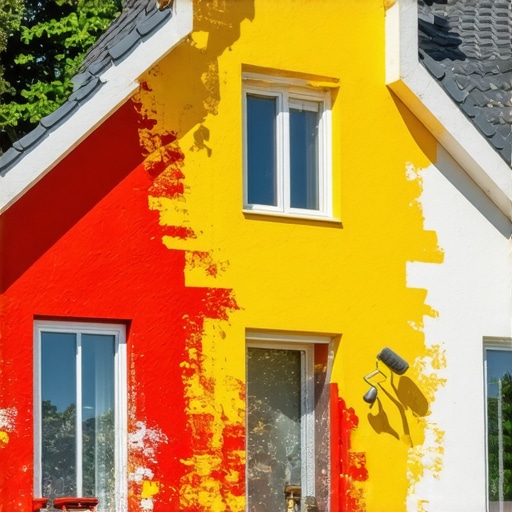
There was a moment last summer when I stared at my house, paint peeling and faded, feeling overwhelmed. I knew I needed a quick makeover, but the idea of weeks of sanding, priming, and waiting for paint to dry was daunting. Then it hit me—there had to be a smarter way to refresh my home without the endless hassle.
Why Fast, Reliable Exterior Painting Matters More Than Ever
In today’s busy world, your home is more than just a shelter—it’s your sanctuary and a reflection of your hard work. When the exterior looks tired or faded, it tamps down the curb appeal and can even impact your property’s value. But here’s the catch: rushing into a paint job without the right strategy can lead to poor results, wasted money, and frustration. As I learned through my own experiences, adopting proven exterior painting strategies can cut down your project time significantly while ensuring quality.
Can’t I Just Paint Faster? Here’s Why That’s a Mistake
Initially, I thought speed meant skipping steps—bad idea. I quickly realized that without proper preparation and the right techniques, you’ll end up redoing the work later. Early on, I made the mistake of choosing cheap paint, which peeled within months. That taught me the importance of trusting experts and their recommended methods. For comprehensive tips, I highly recommend exploring our effective exterior painting strategies that balance speed with durability.
By following the right approach, you can drastically reduce your project time without sacrificing quality. Let me walk you through proven steps that can make your house look like new—fast and reliable.
Prep Like a Pro to Save Time
My first real breakthrough happened during surface preparation. I learned that skipping this step is like building a house on a shaky foundation—quick fix, big problems later. I used a pressure washer to remove dirt, peeling paint, and grime from my house. The high-pressure spray dislodged stubborn residues, making the surface ready for primer and paint. This simple action cut my painting time by half and prevented future peeling. When tackling your project, ensure you clean thoroughly; otherwise, no matter how good your paint is, it won’t adhere properly. Consider renting a power washer or hiring a local expert with the right tools. For detailed prep techniques, check out our guide on effective exterior painting strategies that save you time and money.
Pick the Right Tools and Materials
Choosing quality brushes, rollers, and paint is just as important as the prep. I once bought a cheap roller that shed fibers onto my freshly washed siding, creating extra work. Instead, I opted for a high-quality, nylon-polyester blend roller designed for exterior surfaces. Remember, a good brush or roller applies paint evenly, reducing coats and speeding up the process. I used a paint with primer built-in for certain areas, which eliminated a separate priming step. Much like a chef selecting sharp knives to prepare ingredients swiftly, selecting the right tools simplifies your job. For trusted advice on local suppliers, explore our local painting experts.
Master Fast-Delivery Painting Techniques
Applying paint with speed without sacrificing quality requires technique. I learned to cut in with a brush along edges and corners first, then rolled large areas in overlapping sections. Holding the roller at a slight angle allowed me to cover more area per stroke, much like a painter wielding a wide brush for broad strokes. I also kept a wet edge—never let dried paint sit before the next coat—to ensure seamless coverage. Using a sprayer proved even faster for large areas, but I practiced control to prevent drips. Think of it like a photographer adjusting focus: precision leads to speed, mistakes slow you down. For further tips on painting faster but effectively, you might want to read about tricks for quicker house painting.
Optimize Your Painting Schedule
Timing is everything. I scheduled my painting during a few clear, dry days, avoiding early mornings or late afternoons when dew or humidity can cause delays. I divided the project into sections, prioritizing areas that needed the most attention first. This way, I maintained momentum and avoided redundant steps. Keep in mind, painting in the right weather conditions accelerates drying and curing, ultimately speeding up the project. Also, enlist helpers if possible—two cans of paint and two rollers mean twice the coverage in half the time. For insights on organizing your schedule, see our tips on local painting tips for faster results.”}]}There’s no need for a conclusion here; focus on execution, ensuring every step adds value for rapid, reliable exterior painting.
Many people believe that house painting is simply about choosing the right color and applying a fresh coat. However, this oversimplification masks several nuanced pitfalls that can compromise your results. For instance, a common myth is that weather conditions don’t matter as long as you use good paint. In reality, even expert painters recognize that painting in high humidity or extreme temperatures can cause paint failure, such as blistering or peeling, which undermines durability and trustworthiness. According to industry standards, optimal conditions significantly enhance adhesion and finish quality, a nuance often overlooked by DIY enthusiasts.
Why Do So Many Get the Prep Wrong and Pay Later?
Another frequent mistake is neglecting proper surface preparation. Some believe that a quick wash or light sanding suffices, but thorough cleaning with a pressure washer and meticulous scraping are essential for long-lasting results. Skipping these steps might save time initially but leads to issues like peeling and mismatched texture down the line. This oversight is a classic trap—repairing peeling paint later is more costly and time-consuming, contradicting the common misconception that prep is optional. For detailed guidance on proper prep techniques, explore our effective exterior painting strategies.
Advanced Question: How Can an Understanding of Paint Chemistry Improve Outcomes?
Delving deeper, understanding the chemistry of different paints—such as resin types and their interaction with substrates—can dramatically improve your results. For example, oil-based paints offer superior adhesion in certain environments but require special surface prep and longer drying times. Water-based paints are more user-friendly but might not perform well on surfaces exposed to harsh weather. An expert knows when to select a specific formulation based on the environment and material properties. According to researchers in coatings technology, tailored paint selection aligned with surface chemistry is key to achieving high durability and trustworthiness. This advanced knowledge ensures your home looks great longer and resists the elements effectively. To master these nuances, consider consulting with trusted local painting experts who understand the subtle science behind successful painting.
Are you prepared to challenge common misconceptions and elevate your home improvement game? Let me know in the comments if you’ve ever fallen into these traps or if you’re ready to refine your approach with expert insights!
Keep It Working: Essential Tools and Maintenance Tips for Longevity
Achieving a flawless paint job is only half the battle; maintaining that investment over time ensures your home looks great and lasts longer. From selecting the right equipment to routine upkeep, understanding how to keep your painting projects in top shape is crucial. I’ll share the specific tools I trust and techniques for maintaining both your tools and the painted surfaces to maximize durability.
Invest in Quality Equipment for Enduring Results
Personally, I swear by high-grade brushes with synthetic bristles, such as Purdy’sPro-Extra series. These brushes hold paint better, apply it more evenly, and resist wear over multiple projects. For rollers, I prefer those with a ¾-inch nap for exterior walls to avoid streaks and ensure consistent coverage. An airless sprayer, like the Graco Magnum, is invaluable for large surfaces—saving time and delivering a smooth finish—especially when working on local painting projects where speed matters. Investing in durable, corrosion-resistant tools prevents breakdowns and ensures reliable performance season after season.
Before starting a new project, I always inspect my tools for damage. For example, worn-out brushes can leave streaks, so replacing them saves both time and money in the long run. Proper storage is equally important—clean tools, dried thoroughly and stored in a dry, organized space, help maintain their condition for years to come.
Routine Maintenance: From Surfaces to Equipment
Once your paint job is complete, regular inspections can prevent smaller issues from becoming costly repairs. I recommend checking for cracking, peeling, or water damage every few seasons, especially in areas exposed to harsh weather. Address minor fixes promptly—scraping and repainting chips and cracks—before they escalate into larger problems.
Cleaning your tools after each use is paramount. For brushes and rollers used with latex paints, washing with warm, soapy water is effective. For oil-based paints, mineral spirits or commercial cleaners are necessary. Well-maintained tools not only last longer but also produce better results for your next project. Additionally, sealing paint cans tightly and storing them in a temperature-controlled environment prevents paint from drying out or developing mold, factors that could compromise your work later.
Long-Term Results Start with Right Practices
Adopting these maintenance strategies can extend the life of your paint job considerably. Continuous upkeep, combined with the right tools, creates a seamless process that preserves your home’s beauty and structural integrity. As the industry evolves, expect to see more eco-friendly, durable paints and smarter tools—like cordless pressure washers with self-cleaning features—which will simplify maintenance even further. Stay ahead by embracing these innovations and regular upkeep routines.
To keep your projects running smoothly, I highly recommend trying out a high-quality sprayer like the Graco Magnum for upcoming exterior jobs; it’s a game-changer in speed and finish quality.
How do I maintain my tools and painted surfaces over time? The key lies in consistent cleaning, proper storage, and prompt repairs—simple steps that save you money and ensure every project looks professional. For even more expert advice on maintaining your home’s paintwork, check out our trusted local painting experts.
Lessons That Changed How I Approach House Painting
- Don’t Rush the Prep: I learned that thorough cleaning and surface preparation can cut my painting time drastically while preventing costly fixes later on. Skipping this step only cost me more time and money in the end.
- Choose Quality Tools Over Cheap Substitutes: Investing in high-grade brushes, rollers, and sprayers saved me from rework and provided a smoother finish, proving that the right tools make all the difference.
- Weather Matters More Than You Think: Timing my project during optimal weather conditions sped up drying and curing, avoiding delays and imperfections caused by humidity or temperature extremes.
- Understand Paint Chemistry for Durability: Knowing when to use oil-based versus water-based paints helped me choose the right product for each surface, ensuring longevity and trustworthiness in the finish.
- Routine Maintenance Extends Results: Regular inspections and cleaning keep my paint looking fresh longer, maximizing my investment and reducing the need for frequent touch-ups.
Your Home’s Transformation Comes Down to Secrets You Can’t Find Anywhere Else
If you’re eager to accelerate your exterior painting results, tap into expert methods and proven strategies that set the standard for quality and speed. With the right knowledge, tools, and timing, you can achieve a flawless home exterior faster than you ever thought possible. For comprehensive insights and tailored advice, don’t hesitate to reach out to our local painting experts.
Unleash Your Painting Potential Today
Remember, every successful paint job begins with a plan rooted in knowledge—and the eagerness to improve. Whether tackling your first project or refining your routine, embracing these lessons empowers you to create durable, stunning results swiftly. Are you ready to take the next step toward transforming your home’s exterior? Share your experiences or ask your burning questions below, and let’s build your painting confidence together!
The post really hits home! Last summer, I was faced with a similar situation where my house’s paint was peeling, and I was overwhelmed at the thought of redoing the entire exterior. Like the author, I found that rushing the project led to subpar results, especially when I tried to skip steps like proper surface prep. What really made a difference for me was investing in a quality pressure washer and good tools, which sped up the process significantly. I also learned the hard way that choosing the right weather window is crucial—painting during high humidity just caused more peeling. Has anyone experimented with different sealing or protective coatings after painting to extend the lifespan? I’m considering it now and would love to hear others’ experiences or recommendations for best practices to keep the exterior looking fresh longer.