

I remember the frustration vividly. I was halfway through painting my living room, meticulously edging around the baseboards, when I realized I was wasting so much time taping everything off. That thin blue tape, which was supposed to make my life easier, was actually making it harder. It bled, it peeled away, and sometimes, it just didn’t stick where it should. After hours of frustration, I had a lightbulb moment that changed how I approached painting forever.
The Painter’s Secret for Cutting in Without Tape
For years, I believed that without painter’s tape, I would end up with uneven lines and messy edges—until I discovered a simple yet effective technique that professional painters swear by. The best part? It doesn’t require any special tools, just a steady hand and a little practice. Today, I want to share this secret with you, so you can save time, money, and nerve cells on your next painting project.
Is Cutting In Freehand Actually Worth the Hype?
Let’s address the elephant in the room. You might be thinking, “Can I really achieve sharp, clean edges without tape?” Believe me, I was skeptical at first. My early attempts ended with crooked lines and paint smudges—trust me, I’ve been there. But after making a handful of mistakes, I perfected this method, and the results speak for themselves. The key is in the grip and the brush technique. If you’re interested, check out this professional tips for painting without tape. Learning from experienced painters makes a world of difference.
Now, you might worry about ruining your corners or ending up with missed spots. I get it. Early on, I made the mistake of rushing at the edges without prepping properly. But I learned that just a little prep work makes this trick doable and, best of all, consistent. Ready to ditch the tape and master your own clean lines? Let’s dive into the step-by-step process that will make your next paint job look downright professional.
Prep Your Brush and Edges
Start by selecting a high-quality, angled brush—think of it as a precision instrument, much like a fine-tuned scalpel in a surgeon’s hand. Dip just enough paint to coat the bristles lightly; avoid overload to prevent drips and uneven lines. Before you begin, run the brush along a paper towel to remove excess paint, ensuring controlled strokes. Remember, control and precision are your best friends here.
Establish a Steady Hand
Hold the brush with a relaxed grip, similar to holding a pencil for detailed sketching. Rest your arm against a stable surface—this reduces jitteriness and improves accuracy. To build confidence, practice on scrap drywall or cardboard, mimicking the edges of your actual wall. This warm-up helps you develop a consistent hand movement, crucial for sharp, clean lines.
Technique for Crisp Edges
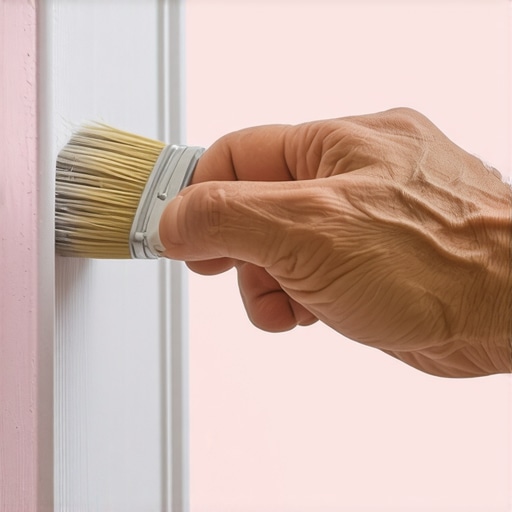
Imagine tracing a line with a steady hand—work slowly and deliberately. Start at one corner or edge, and use the brush’s tip to glide along the boundary between painted and unpainted areas. Think of it as drawing a straight line with a fine-tipped pen. Apply minimal pressure—pressing too hard can cause the brush to splay or create uneven edges. Use short, controlled strokes, slightly overlapping each to keep the line even.
Managing Curves and Corners
For curved edges or intricate corners, adjust your wrist and arm movement smoothly, like steering a bicycle through a gentle bend. Instead of trying to paint the entire curve in one stroke, break it into segments. Start at the top of the curve, transition seamlessly, and finish at the bottom. Maintaining a consistent angle of your brush will help keep the line uniform.
Common Mistakes and How to Avoid Them
I remember once turning too quickly around a window frame, causing an uneven, jagged line. To prevent this, slow down as you approach edges, and lift the brush carefully at the end of a stroke. Keep your hand and wrist steady—imagine the movement as a gentle wave rather than a jerk. Regularly check your progress and make small corrections immediately to keep the lines sharp.
Refining Your Technique
If you notice a bump or wobble, lightly go over that section with the tip of your brush to smooth it out. Think of it as sanding a rough edge—little adjustments improve the overall look. For stubborn areas, a damp cloth can gently wipe away minor mistakes without damaging the surrounding paint, but always wait until the paint is dry to avoid smudging.
Practice and Patience
Like any skill, mastery comes with repetition. Dedicate time to practice on scrap material before tackling your actual project. Over time, your hand will become more intuitive, and you’ll develop the muscle memory needed for impeccable freehand edges—no tape required.
Remember, it doesn’t have to look perfect from the start. With each attempt, you’ll learn to control your brush better, just as I did when I first started. Soon enough, you’ll be creating sharp, professional-looking lines that rival those achieved with tape—saving time and avoiding mess.
 Many homeowners and DIY enthusiasts believe they understand the basics of house painting, but beneath the surface lie misconceptions that can sabotage your project. Contrary to popular belief, choosing the most expensive paint doesn’t always guarantee the best results; quality and proper application matter more. A common myth is that all brushes are created equal—skimping on tools can lead to visible strokes and uneven coats. One often-overlooked nuance is the importance of ambient temperature; painting in direct sunlight or during extreme cold can cause the paint to dry improperly, leading to premature peeling. Surprisingly, rushing through surface preparation, such as neglecting to clean or sand the walls thoroughly, significantly impacts adhesion and finish quality, even if you’re using premium paints. Advanced painters know that understanding the substrate’s history—like previous coatings or underlying issues—can prevent costly mistakes. For example, repainting over peeling paint without proper removal guarantees quick failure, so invest time in proper scraping and priming.
What Are Common Oversights in DIY Painting That Experts Avoid?
Experts emphasize that managing humidity levels and environmental conditions is critical; failing to do so can result in blistering or uneven drying. Additionally, applying too thick coats or multiple layers without proper drying time can cause runs and cracks. According to research published in the Journal of Coatings Technology, improper drying conditions account for up to 70% of early paint failures, highlighting the need for strategic timing and surface awareness. If you’re eager to elevate your craftsmanship, check out tips on using a paint sprayer effectively or learn about cost-saving precautions with avoiding hidden surcharges. Recognizing these hidden nuances can save you time, money, and frustration, transforming your DIY attempt into a professional-quality finish. Remember, understanding the nuances isn’t just for pros; it’s what separates a novice from an expert. Have you ever fallen into this trap? Let me know in the comments.
Keep Your Paint Jobs Flawless for the Long Haul
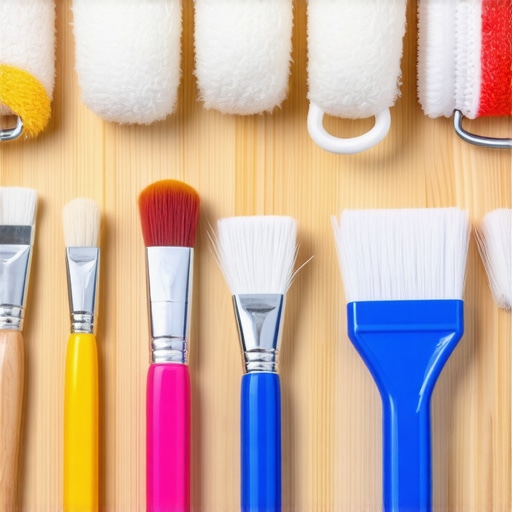
Achieving a beautiful, durable paint finish isn’t just about the initial layers; maintenance plays a vital role in preserving your work over time. The right tools can make ongoing care easier and ensure your investment looks great for years to come. One essential item I personally swear by is a high-quality microfiber roller sleeve—these are gentle on painted surfaces yet effective at removing dirt without stripping layers. Regularly inspecting and cleaning your brushes and rollers with warm, soapy water prevents paint buildup, maintaining their performance and extending their lifespan.
Invest in Smart Storage Solutions
Properly storing leftover paint and tools saves you time and money during touch-ups. I recommend using airtight, plastic paint cans with key-tight lids—this prevents drying out. Pour excess paint into smaller, labeled containers for quick access and to keep the original cans airtight. Keep your brushes and rollers suspended in a designated storage rack—this prevents deformation and keeps their bristles in optimal condition. Consistent maintenance of your tools reduces waste and guarantees cleaner, more precise future projects.
Embrace Technological Assistance
Technology is advancing fast, making DIY projects more manageable. For example, a digital moisture meter helps you monitor the substrate’s dryness—vital before repainting or sealing. Additionally, painting apps like visualization tools enable accurate color matching and planning, reducing costly mistakes. Looking ahead, emerging smart paints with self-healing properties might soon minimize maintenance needs, pushing DIY house painting to a new level of longevity.
How do I maintain my paint job over time?
Regular cleaning is paramount—gentle washing with a soft sponge and mild detergent prevents dirt and grime buildup. Addressing touch-ups promptly keeps the surface sealed and prevents peeling or chipping. Keep an eye out for areas showing signs of wear, such as color fading or minor cracks, and repair them as soon as possible using quality primers and touch-up paints. For detailed guidance, I recommend exploring techniques discussed in articles like how to maintain high-gloss trim. Consistent upkeep ensures your painting investment stays pristine, saving you from costly resanding or repainting down the line.
Lastly, always prepare your tools properly after each project. Clean brushes and rollers thoroughly with appropriate solvents—water for latex, mineral spirits for oil-based paints—and store them correctly. This simple step preserves their shape and functionality, making your next project smoother and more professional. Remember, maintenance isn’t glamorous, but it’s the secret to long-term success in house painting. Ready to boost your tools? Try out a high-quality microfiber roller sleeve for your next repaint—it’s a game changer for quality and longevity.
< >
>
With the right tools, smart storage, and consistent care, you’ll keep your house looking freshly painted year after year. The future of long-lasting paint jobs will likely involve advanced coatings and eco-friendly, self-healing paints, but your foundational maintenance practices will always serve you well. Don’t wait for signs of deterioration—start your maintenance routine today and enjoy enduring beauty in your home.
,
Lessons That Changed My Approach to House Painting
- Understanding that patience beats haste—rushing to perfect edges usually results in mistakes, but a calm, deliberate pace yields cleaner lines.
- Realizing that mastering a steady hand isn’t about innate talent but consistent practice—small strokes and controlled movements make a huge difference.
- Discovering that proper prepping, like practicing on scrap or lightly sketching lines, can boost confidence and improve precision significantly.
- Learning that tools matter—an angled brush combined with the right grip and technique is invaluable for freehand accuracy.
- Accepting that imperfections are part of learning—each mistake is a stepping stone toward professional results without tape.
Tools and Resources That Elevated My Crafting
- High-quality angled brushes: Investing in good brushes made my lines sharper and reduced fatigue. I trust brands that hold their shape and feel comfortable.
- Practice on drywall or cardboard: Regularly testing my technique on scrap provided immediate feedback and helped me refine my strokes without wasting wall space.
- Painting tutorials and blogs: Resources like professional tips for painting without tape inspired me and provided step-by-step guidance from real experts.
- Mirror exercises and slow strokes: Gentle practice with a mirror improved my control and helped develop muscle memory for making steady, straight lines.
- Proper lighting and a stable surface: Ensuring good light and resting my arm on a surface prevented jitteriness, making my freehand work more precise.
Believe in Your Potential to Achieve Flawless Edges
Stepping away from reliance on painter’s tape opened up new avenues for creativity and confidence in my skills. With patience, practice, and the right tools, anyone can learn to paint edges freehand—saving time and avoiding mess. Remember, every painter starts somewhere, and your perseverance will pay off in the form of crisp, professional-looking lines that enhance your home’s beauty. Start small, practice consistently, and soon you’ll see your walls transform with your own steady hand. Ready to give freehand painting a try? What’s been your biggest challenge when painting edges? Share your thoughts below—I’d love to hear your story.
About the Author
Aqil Ahmad
Leading Elite World Travel and Tourism L.L.C with ...
Aqil Ahmad is a seasoned professional with a distinguished background in high-level service management and operational leadership. As a key contributor to elitepainterpro.com, he brings a wealth of experience from his tenure leading Elite World Travel and Tourism L.L.C, where he cultivated a deep understanding of hospitality and premium service standards. His career is marked by a commitment to excellence, having spearheaded major initiatives across international markets, including the USA. This global perspective allows Aqil to provide unique insights into the professional painting industry, focusing on quality control, client satisfaction, and the meticulous attention to detail required for elite-level home transformations. With a proven track record in managing complex operations and delivering superior results, Aqil serves as an authoritative voice for homeowners and professionals seeking to elevate their property's aesthetic and value. He leverages his hospitality expertise to ensure that every project discussed on elitepainterpro.com meets the highest benchmarks of professionalism. Aqil is deeply passionate about helping others achieve their vision through expert guidance and high-quality craftsmanship.