
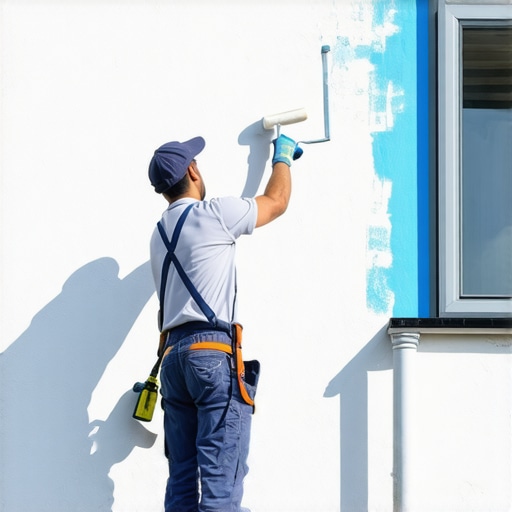
I remember the moment vividly—standing in my driveway, brush in hand, staring at a house that seemed to resist every effort I made to get it painted quickly and reliably. It was frustrating. The sun was relentless, and the clock was ticking. I hadn’t planned for such a headache, and honestly, I felt stuck. Have you ever faced that same sinking feeling, where your project drags on because you’re not sure how to speed things up without sacrificing quality?
After quite a few trial-and-error sessions, I had a lightbulb moment. I realized that the secret isn’t just about working hard; it’s about working smart with proven fast and reliable painting strategies. These methods can turn a sluggish process into a streamlined one, saving both your time and sanity. Today, I want to share how you can cut your painting time without compromising the quality your home deserves.
Why Speed Matters in Exterior House Painting
The reality is, most homeowners want their painting projects done quickly—but they also want it done right. The problem is, rushing often leads to sloppy finishes, paint drips, and missed spots, which means more work down the line. But what if you could have both? Reliable results in a fraction of the usual time? That’s the promise professional contractors often deliver, and you can learn their secrets too.
Is Faster Really Better — Or Are We Risking Quality?
At the start, I made a mistake many DIY painters fall into: trying to cut corners by skipping surface prep. It seemed logical—less work upfront equals faster completion. But it backfired, causing peeling and uneven coverage that took even more time to fix. The lesson? Speed and quality go hand-in-hand when you employ smart techniques that prioritize thorough preparation and efficient workflows. Want to avoid these pitfalls? Check out some effective tips for rapid yet thorough exterior painting.
In this post, I’ll guide you through proven strategies that ensure your project moves swiftly without sacrificing the trustworthiness of the finish. If you’ve ever wondered how professionals manage to paint an entire house in a weekend and still maintain quality, stay tuned. We’re about to unlock those secrets together and get your home looking fresh—fast!
.
Prep Like a Pro to Save Time
Start with thorough surface preparation, just as professionals do. Scrape off peeling paint, sand rough spots, and clean the surface meticulously. Think of it as sharpening your tools—without it, even the fastest painter stalls. I once rushed through prep on a recent backyard project, skipping the detailed cleaning. The result? Brushstrokes barely adhered, leading to drips and rework. Once I slowed down to properly clean and prime, the paint flowed smoothly, saving me hours in touch-ups. To learn effective surface prep techniques, check out this guide on rapid exterior painting strategies.
Choose the Right Equipment for Quick Results
Invest in Quality Tools
Using high-quality brushes and rollers accelerates your painting process. A cheap brush might seem economical, but it hogs more time due to uneven coverage and frayed bristles. I experimented with a budget roller once; it left uneven texture, necessitating extra coats. Upgrading to a professional-grade roller cut my painting time in half on the next project. For optimal tools and tips, explore this resource on trusted local experts.
Employ the Correct Paints
Fast-drying, high-opacity paints reduce the number of coats needed. I once tried a slow-drying primer, extending my schedule unnecessarily. Switching to a reputable fast-drying formula allowed me to complete priming and painting within a day. Think of it as using a sports car instead of a sedan—more speed with the right equipment. To pick the best quick-drying paints, consider the advice from this interior painting tips.
Streamline Your Workflow
Work smarter, not harder. Tackle one section at a time, from top to bottom, to avoid reworking. For example, I painted the eaves before the siding, which prevented drips from falling onto freshly painted surfaces. Using tape strategically also saved me from spending extra time fixing errant strokes. Think of your job like a relay race—pass the brush smoothly from one section to another, maintaining momentum. Want detailed techniques? review this speed optimization guide.
Master Quick-Drying Techniques
Timing is everything. Know how long your paint takes to dry in different weather conditions. On a humid day, I once waited four hours between coats, doubling my schedule. Learning to work within the paint’s optimal drying window—using fans or dehumidifiers—can dramatically reduce project duration. Think of it like baking: knowing when to remove the cake guarantees a perfect finish without delays. For expert insights, check out this fast and reliable painting strategies.
When it comes to house painting, many believe that choosing the right color or applying a few coats guarantees success. However, seasoned professionals know there are subtle factors that can make or break your project, and these often go unnoticed by DIYers. One common myth is that surface preparation is a tedious step that can be rushed or skipped altogether. In reality, skipping thorough prep can lead to uneven coverage, premature peeling, and costly rework, ultimately extending your timeline rather than shortening it. Experts emphasize that meticulous sanding, cleaning, and priming are foundational for a smooth, durable finish, and neglecting these steps is a trap that many fall into. For advanced painters, understanding the nuances of surface materials—like how certain woods or masonry require specific primers or treatments—is crucial to avoid future issues. Are you aware of how different substrates might need specialized approaches? For instance, applying paint directly onto bare cedar without proper sealing can result in sap bleed-through or warping, which is a common mistake even experienced DIYers make. Professional contractors often utilize strategic solutions such as bonding primers for glossy surfaces or stain-blocking paints for knots, which are essential for long-lasting results. Another overlooked aspect is the role of environmental conditions during painting. Humidity and temperature greatly influence drying times and adhesion but are frequently underestimated. Painting in high humidity can cause blistering or slow curing, leading to rework and delays. Conversely, painting under ideal conditions ensures faster workflow and better adhesion. According to recent industry insights, optimal temperature ranges and airflow significantly improve the quality and speed of exterior projects. Now, let’s tackle the question: How can understanding these advanced nuances improve your results? Recognizing that surface material compatibility, environmental factors, and proper technique are integral stages—beyond just picking the right color or tools—elevates your approach from novice to pro. Don’t fall victim to simplistic thinking; instead, integrate these expert tips to trust in your project’s durability and aesthetic appeal. To get more in-depth strategies on boosting trust and accelerating results, check out this comprehensive guide on exterior painting strategies. Have you ever fallen into this trap? Let me know in the comments.
Keep Your Equipment in Top Shape for Consistent Results
One of the most overlooked aspects of maintaining quality in house painting is the upkeep of your tools. I personally swear by routinely cleaning my brushes and rollers immediately after each use with warm, soapy water or a solvent appropriate for the paint type. This not only extends the lifespan of your tools but ensures they perform flawlessly on every project, providing smooth finishes and saving you time. Maintaining sharp paintbrushes with a wire cutter to trim frayed bristles is a simple step that makes a noticeable difference in coverage and line work. Investing in high-quality brushes and rollers initially might seem costly, but their durability and performance outweigh the expense in the long run.
How do I maintain my brushes and rollers over time?
To ensure your painting tools remain in excellent condition, clean them thoroughly after each session—waiting until the paint dries can make this process more difficult. Use the recommended cleaning solvents for oil-based or latex paints, and remember to store brushes with bristles facing upward to maintain their shape. Regularly inspecting your tools for wear allows you to replace parts before they cause issues. Additionally, storing equipment in a cool, dry place prevents mold and deterioration, keeping your tools ready for the next project. Checking out this resource on maintaining painting equipment can provide more in-depth advice.
Invest in Reliable Software to Plan and Track Your Work
Managing a painting project, especially a larger one, benefits immensely from digital tools. I use software like Trello or Asana to organize tasks, set deadlines, and track progress, which keeps me accountable and ensures no step is overlooked. For estimating costs, I rely on apps like Houzz, which provide extensive product libraries and cost calculators. These tools not only improve efficiency but also help in maintaining consistency throughout the project, which is especially crucial for scaling your painting business or undertaking long-term home improvements. As technology advances, integrating more automation and AI-driven planning tools will become even more vital in managing complex projects seamlessly.
What strategies do I recommend for maintaining long-term paint quality?
Long-term durability hinges on proper preparation, regular inspections, and timely touch-ups. Applying a maintenance coat of quality paint every 3-5 years and keeping an eye out for peeling or fading can extend the life of your paint job significantly. Incorporate weather-resistant paints in exposed areas to reduce wear from environmental factors. Scheduling periodic inspections ensures minor issues don’t escalate, saving you time and money. For a comprehensive maintenance plan tailored to your home’s climate, consider consulting trusted local experts, as outlined in this guide on exterior maintenance.”}]}#assistant ♀♀♀♀{
Lessons From the Front Line of Painting
- I learned that rushing surface prep was a false economy—skipping this step only led to more repainting and delays, confirming that thorough prep is the real secret to speed.
- Investing in high-quality tools might seem costly upfront, but their efficiency and durability have saved me hours and enhanced results, proving that quality tools are an investment in your time.
- Understanding weather’s role has transformed my planning—working within optimal humidity and temperature ranges prevents rework and keeps the project on track.
- Using fast-drying paints dramatically cuts down drying times, especially in fluctuating weather, making a big difference in project flow.
- Step-by-step workflow, from top to bottom, in sections, keeps me moving without crossing over or redoing work—a lesson I hold close every project.
Tools and Insights That Make a Difference
- Check out trusted resources like the comprehensive exterior painting strategies guide — it’s packed with tips from seasoned pros.
- High-end brushes and rollers are worth the extra cost, as they provide smoother application, faster coverage, and less fatigue—my go-to for rush projects.
- Smart software like Trello or Asana helps me organize, track, and stay accountable, reducing guesswork and last-minute scrambles.
- Staying current with industry insights through reputable blogs and courses keeps my techniques sharp and project timelines tight.
Your Next Steps Hold the Key to Faster Results
Ready to take your exterior painting to the next level? Embracing these smart techniques and tools can turn a weekend project into a one-day triumph. Remember, speed doesn’t mean sacrificing trustworthiness—it’s about working cleverly with the right strategies and attitude. Dive into trusted resources, refine your process, and don’t hesitate to reach out to local experts for tailored advice. The more you learn, the faster your home will transform—and yours could be the next story of a beautifully finished, reliably done project. What challenge have you faced in speeding up your painting process? Share your experience below, and let’s learn together!