
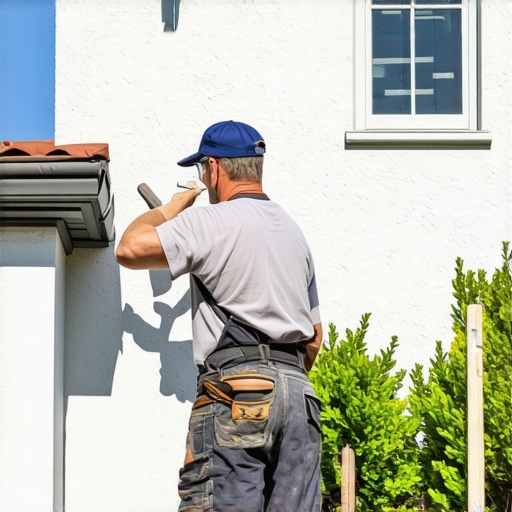
Have you ever stood in front of your house, paintbrush in hand, only to realize that your project is dragging on longer than expected? I’ve been there. I remember the frustration of rushing to get the job done, only to end up with uneven coats, drips, or worse — a paint job that looks rushed and unprofessional. That lightbulb moment hit me hard: speed isn’t just about rushing; it’s about being smart with your approach. And trust me, a quick, quality paint job can seriously boost your home’s curb appeal and your neighbors’ respect.
Why Fast House Painting Matters More Than Ever
In today’s busy world, nobody has the luxury of endless weekends to paint their house. Plus, the longer your home stays unpainted, the more it’s exposed to weather damage, which can lead to costly repairs down the line. I learned early on that mastering some simple, effective tips can make all the difference in getting the job done fast without sacrificing quality. If you’re like me, you want results that look good and last — and that’s exactly what I aim to share today. For a comprehensive guide, check out effective exterior painting strategies.
Is Cutting Corners Really Worth It?
Early in my painting adventures, I made the mistake of skipping prep work, thinking I could save time. Turns out, that was a huge mistake. Skipping proper surface cleaning or primer application can lead to uneven adhesion, peeling, or fading — problems that only add to your workload later. Trust me, quick doesn’t mean cheap. The secret is to work smarter, not harder, by using proven techniques that accelerate your progress and build trust in your results. Want to know how I finally cracked the code? Stay tuned for my top tips, which I’ve honed from experience and expert advice.
Have you faced similar struggles? Drop a comment below and let’s talk about your painting challenges. Now, let’s dive into the practical steps that will transform your house in record time, starting with the essentials of preparing your surface for a flawless finish.
Prepare Surfaces Like a Pro
Start by cleaning your walls thoroughly. Use a high-pressure washer or scrub brushes with detergent to remove dirt, mold, and peeling paint. I once tried skipping this step, thinking I could save time, but the paint adhered poorly and peeled within weeks. Proper cleaning ensures even application and durability, which speeds up the entire process. Don’t forget to patch holes and cracks with quick-drying filler, then sand smooth for a flawless surface. This prep work might seem tedious, but it’s the foundation for a speedy, lasting paint job. For more detailed surface prep tips, visit effective exterior painting strategies.
Gather Your Tools for Efficiency
Use high-quality brushes, rollers, and sprayers. A sprayer might be intimidating at first, but it drastically reduces painting time and provides a smooth, even coat. I once rented a professional-grade sprayer, and the difference was night and day. For tricky corners, keep angled brushes handy to reach tight spots quickly. Organize your tools before starting so you don’t waste time searching mid-project. Remember, quality tools save time and prevent rework, making your paint job faster and better. Check out pro tips on painting strategies for more insights.
Prime Smart, Paint Faster
Applying primer is crucial for adhesion and longevity. Use a fast-drying primer with good coverage to minimize coats. I learned this lesson when I rushed through priming and had peeling paint within months. Investing in a reliable primer accelerates the process because it reduces the number of coats needed. Use a roller for large areas and brushes for edges to speed up work. Don’t skip this step—skipping primer is like skipping foundation; it compromises the entire job’s durability. For expert-approved primer techniques, see trust-building painting strategies.
Master Quick Painting Techniques
Use a W or M stroke pattern with rollers to cover large surfaces efficiently. I once used a roller with a thicker nap to speed up coverage on textured walls, which cut my painting time in half. For edges and corners, use a brush to outline first, then fill in with a roller or sprayer. Keep a wet edge to avoid overlaps and drips. Don’t load your roller excessively; a little paint goes a long way and prevents drips that slow you down. Practice makes perfect—your strokes should be rapid but controlled. Check out techniques to accelerate house painting for detailed methods.
Time-Saving Drying Strategies
Maximize drying speed by painting during warm, low-humidity days. Use fans or dehumidifiers to circulate air and speed up drying. I once scheduled painting during a dry spell, and the paint dried within a couple of hours, allowing me to apply second coats faster. Thin coats dry quicker and cure better than thick layers. Always follow manufacturer instructions for drying times, but remember that proper ventilation can cut waiting periods significantly. For expert advice on drying strategies, visit exterior painting strategies.
Final Touches That Save Time
Once the main coats are done, inspect and touch up only the necessary spots. Use a small brush to fix drips or missed spots quickly, avoiding redoing entire sections. Remove painter’s tape carefully to prevent smudges and save time on corrections. Cleaning your tools immediately after finishing keeps them in good condition for quick re-use on future projects. These small steps prevent rework, keeping your project on schedule. For more tips on finishing efficiently, see local house painting tips.
Many homeowners jump into house painting with a set of assumptions that, while popular, often lead to costly mistakes. Let’s challenge some of these myths and shed light on the hidden nuances that can make your project both faster and more durable.
Why Not All Speed Tricks Are Created Equal
Everyone touts quick-drying paints and sprayers as the ultimate time-savers, but in my experience, rushing without proper preparation can backfire. For instance, applying thick coats of paint to speed up coverage might seem efficient, but it often results in uneven drying, drips, and even cracking later. Experts emphasize that thin, even coats dry faster and adhere better, ultimately saving time during touch-ups and rework. For detailed strategies, visit effective exterior painting strategies.
Moreover, some believe that priming isn’t necessary if the existing paint looks good. This is a dangerous misconception. Skipping primer can cause adhesion issues, leading to peeling and fading sooner than expected. Using a high-quality, fast-drying primer ensures better coverage, reduces the number of coats needed, and accelerates the entire process, making your efforts more efficient. Check out trust-building painting strategies.
Advanced Question: How Do Surface Conditions Impact Speed and Quality?
Surface conditions are often overlooked but are crucial for a fast and lasting finish. A common mistake is neglecting detailed cleaning or repair work, which can cause paint to peel or fade prematurely. For example, cleaning with a high-pressure washer not only saves time but ensures the paint adheres evenly, preventing rework. It’s tempting to skip sanding or patching, but these steps significantly impact the final look and durability. Investing time here pays off by reducing the need for touchups later and speeding up the overall project. For comprehensive surface prep tips, visit effective exterior painting strategies.
Have you ever fallen into this trap? Let me know in the comments. Remember, a meticulous prep stage is the secret weapon for a quick, professional-looking house paint that lasts. Don’t rush through foundational steps — they’re the real time-savers in disguise.
Keeping It Working: Essential Tools for Consistent Results
One of the biggest factors in maintaining speed and quality in house painting is investing in the right tools. I personally swear by a high-quality Wagner Flexio 3000 paint sprayer. It’s lightweight, easy to handle, and provides a smooth, even coat that would take hours with brushes and rollers. I’ve used cheaper sprayers before, but the difference in finish and speed is night and day. For large surfaces, a sprayer can cut your painting time by at least 50%, freeing you up for touch-ups and final details. When choosing a sprayer, look for models with adjustable pressure settings and a durable nozzle. Visit these expert tips to find the best sprayer for your project.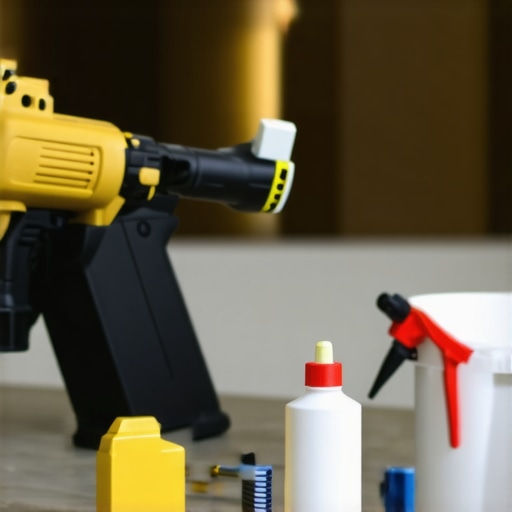
Maintaining Your Equipment for Long-Term Success
Proper maintenance of your tools is crucial for sustained performance. After each use, I always rinse my sprayer thoroughly with water or solvent, depending on the paint type. I also disassemble the nozzle and clean it with a soft brush to prevent clogs. Regularly inspecting brushes and rollers for wear and replacing them when necessary ensures a smooth finish every time. Using high-quality brushes like Purdy or Wooster also makes a difference, as they hold more paint and distribute it evenly. Keep your tools in a dry, organized space to avoid damage and save time searching for the right equipment. This simple upkeep extends the life of your tools and keeps your projects on schedule. For detailed cleaning routines, check out these methods. As the trend toward eco-friendly paints grows, I recommend switching to biodegradable cleaners to keep your workspace safe and sustainable.
How do I maintain tools over time?
Maintaining your painting tools isn’t just about cleaning after each project; it’s about regular checks and proper storage. I suggest applying a light coat of oil to metal parts of your brushes and sprayers before long-term storage. Also, replace worn-out parts promptly—using a damaged nozzle or roller can compromise your results and slow you down. When storing, keep everything in a climate-controlled area, away from moisture and extreme temperatures. This proactive approach reduces the need for costly replacements and ensures your tools perform flawlessly on every project. As technology advances, we see smart tools with digital pressure controls and self-cleaning features entering the market, promising even greater efficiency in future projects. Try adopting a routine of monthly inspections and cleaning, and see how your results improve over time. For more on innovative tools, visit these upcoming trends. Remember, investing in maintenance now saves you time and money later, making your painting process faster and more reliable.
The Hardest Lesson I Learned About Speeding Up House Painting
One of my biggest mistakes early on was rushing through surface prep, thinking it was a waste of time. Turns out, skipping cleaning, patching, and sanding only led to peeling paint and rework, which took way longer than proper prep ever would. Lesson learned: quality prep is the secret to faster, more durable results.
3 Myths About Quick House Painting That Held Me Back
- Myth: Thick coats dry faster and save time.
Reality: Thin, even coats dry quicker and prevent drips, making the entire process smoother. - Myth: Priming is optional if the paint looks good.
Reality: Skipping primer can cause adhesion issues, leading to peeling and fading, which wastes time later. - Myth: Using cheap tools speeds things up.
Reality: High-quality brushes and sprayers deliver better results faster, saving rework and frustration.
What Experts Won’t Tell You About Speed and Durability
Investing in a good sprayer like the Wagner Flexio 3000 drastically reduces painting time, especially on large surfaces. Also, maintaining your tools with regular cleaning and proper storage ensures they work flawlessly whenever you need them. These small but crucial steps keep your workflow smooth and your results trustworthy. For more insights, check out these expert tips.
High-Impact Recommendations for Faster House Painting
- Use a sprayer for large areas to cut painting time in half.
- Thoroughly clean and repair surfaces before painting to avoid rework.
- Apply thin, even coats of paint with a roller or sprayer for faster drying and better adhesion.
- Paint during warm, low-humidity days and use fans to accelerate drying.
- Inspect and touch up only where needed to avoid unnecessary rework.
Your Turn to Transform Your Home
With these insider lessons and practical tips, you’re ready to tackle house painting confidently and efficiently. Remember, the key to fast, lasting results isn’t rushing — it’s working smarter with the right techniques and tools. Now, go ahead and give your home that fresh new look it deserves, faster than you ever imagined.
Have you ever fallen into the trap of rushing surface prep or skipping essential steps? Share your experiences below and let’s learn from each other’s journeys.