
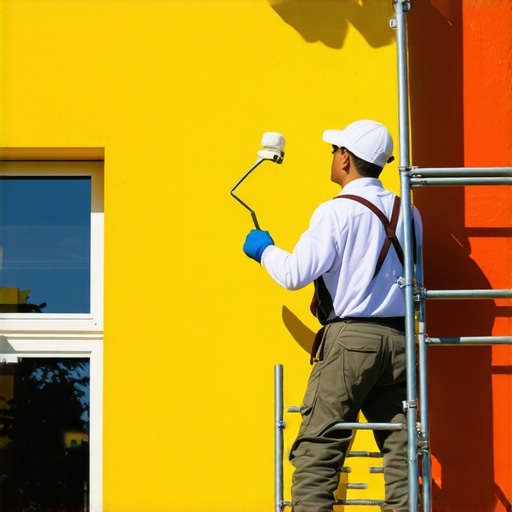
It was a hot summer afternoon when I made my biggest mistake in my DIY house painting project. I rushed through prep work, skipped crucial steps, and ended up with streaks and uneven coverage. The frustration was real, and I realized that quick results often come at the expense of quality, especially in exterior painting where weather and environmental factors play a huge role. But over time, I discovered proven strategies that help achieve faster, trustworthy results without sacrificing quality. If you’ve ever felt overwhelmed or uncertain about how to get your house painted efficiently and reliably, you’re not alone. Today, I want to share those insights so you can transform your home smoothly and confidently.
Why Exterior House Painting Speed and Trust Matter
Exterior house painting isn’t just about aesthetics; it’s about protecting your home from the elements. A well-done exterior paint job can boost curb appeal and increase property value, but rushing the process can lead to issues like peeling, cracking, or uneven color. According to a study by the PaintSquare, proper preparation and execution are essential to long-lasting results, yet many homeowners try to cut corners, thinking it will save time and money. The truth is, poor craftsmanship or skipping crucial steps can cost you more in repairs down the line.
From my experience, the key is balancing speed with precision. You want your project to be completed swiftly, but not at the expense of quality or durability. I’ve learned that with the right techniques and a strategic approach, you can significantly shorten your painting timeline while still achieving professional-looking, trustworthy results. To help you do just that, I’ll walk you through some of the most effective exterior painting strategies that I’ve personally tested and refined.
Have you ever faced delays or rework because of overlooked details? If yes, you’re not alone — and there’s a solution.
In my early days, I often underestimated the importance of proper surface prep and selecting quality paints. These mistakes cost me time and money. For example, skipping primer or rushing to paint over a dirty surface led to peeling paint within months. That’s why I now prioritize effective preparation and choosing the right products, which I cover in the upcoming sections. If you’re ready to learn how to accelerate your project while ensuring trustworthy results, let’s dive into the proven strategies that make it possible.
Stay tuned, because mastering these techniques will not only save you time but also give you peace of mind knowing your home’s exterior is both beautiful and durable.
Prepare Your Surface Like a Pro
Start by thoroughly cleaning the exterior. Use a pressure washer or a garden hose with a scrub brush to remove dirt, mold, and loose paint. This step is crucial because painting over grime causes uneven coverage and peeling later. In my first attempt, I rushed this step and ended up with streaks. Now, I dedicate ample time to cleaning, which drastically reduces rework and accelerates progress.
Choose the Right Primer and Paint
Think of primer as a primer coat of armor that helps paint stick better and last longer. Skipping primer is like building a house on a shaky foundation. Select high-quality exterior paints and primers suited for your climate. I once used cheap paint on a humid day, and it peeled within months. Investing in the right products speeds up the project because fewer touch-ups are needed later.
Efficient Application Techniques
Use high-quality brushes and rollers to cover surfaces quickly and evenly. For large areas, a paint sprayer can be a game-changer—think of it as the Ferrari of painting tools, capable of speeding up your work without sacrificing quality. I experimented with a sprayer on my siding, and it cut my painting time in half. Practice proper technique to avoid overspray and uneven coats.
Work in Consistent, Overlapping Strokes
Maintain a wet edge to prevent lap marks. Overlap each stroke slightly, like weaving a fabric, to ensure seamless coverage. During my project, I kept a steady pace and avoided rushing, which resulted in a smooth finish. This consistency minimizes rework and saves time overall.
Strategic Drying and Weather Planning
Timing is everything. Paint in dry, mild weather—early mornings or late afternoons are ideal. Avoid painting in direct sunlight or high humidity, which can cause streaks and peeling. I once tried to finish a job during a heatwave; the paint dried too fast, creating visible brush strokes. Planning your work around weather conditions ensures quicker drying and fewer touch-ups.
Optimize Your Workflow with Proper Sequencing
Start with the highest and most visible areas first, then move downward. This approach prevents drips from ruining finished sections. During my last project, I painted the eaves and soffits first, then moved to the siding. This logical sequence kept my work organized and sped up completion.
Quick Touch-Ups and Final Inspection
After the main painting, inspect for missed spots or uneven areas. Use a small brush for quick touch-ups. Conduct a final walk-around in good lighting to catch imperfections early. I learned that a thorough inspection saves time later by preventing callbacks or rework.
Implementing these techniques is like tuning a finely crafted machine; each step ensures your project moves smoothly and swiftly while maintaining top quality. For more detailed tips on accelerating your house painting, check out the comprehensive strategies available online.
Many homeowners approach exterior house painting with a set of common beliefs that, while seemingly logical, often lead to costly mistakes. Let’s dig deeper into some of these widespread misconceptions and uncover the nuanced truths that can dramatically improve your project’s outcome.
Myth 1: Skipping Primer Saves Time and Money
It’s a common misconception that primer is optional when painting exteriors. In reality, skipping primer can lead to poor adhesion, uneven color, and reduced durability, especially on surfaces with previous paint or stains. High-quality primers create a better bonding surface, which ensures your paint lasts longer and looks more uniform. This upfront investment in primer often saves time and money in the long run by preventing peeling and the need for early touch-ups.
Myth 2: All Paints Are Created Equal
Many assume that any exterior paint will do, but the truth is that not all paints are designed for outdoor conditions. Weather-resistant, UV-protected, and mold-resistant paints are essential for longevity. Using cheap or low-quality paints can result in peeling, fading, and cracking—issues that will require redoing the job sooner than expected. It’s worth consulting experts or trusted sources to select the right product for your climate. For detailed product selection tips, check out this guide.
Oops! The Trap of Poor Surface Preparation
One of the most common advanced mistakes is neglecting surface prep. Even a perfect paint job cannot hide a dirty, uneven, or damaged surface. Skipping cleaning, sanding, or repairs can cause paint to peel or crack prematurely. It’s tempting to rush through prep to save time, but this shortcut undermines your entire effort. Proper surface prep, though seemingly time-consuming, is an investment that accelerates the overall process by reducing rework. Remember, a clean, smooth surface is the foundation of a trustworthy and durable exterior finish.
What Advanced Homeowners Should Know About Weather Planning
While many focus on choosing a sunny day, experienced painters understand the importance of humidity and temperature fluctuations. Painting in high humidity or on very hot days can cause paint to dry unevenly, leading to streaks and poor adhesion. An often-overlooked nuance is the timing of application—early mornings or late afternoons tend to provide better drying conditions. According to a study by the PaintSquare, optimal environmental conditions are critical for ensuring fast drying and long-lasting results. Mastering this aspect can cut days off your project timeline.
Have you ever fallen into this trap? Let me know in the comments. Remember, understanding these hidden nuances and myths is key to transforming your exterior painting from a guesswork to a professional success. For more insights, explore effective strategies that can elevate your project today.
Keeping your exterior paint job in top condition over time requires more than just initial effort; it demands regular maintenance and the right tools. Personally, I recommend investing in a quality pressure washer, like the Karcher K5, which offers adjustable pressure settings. This tool is invaluable for periodic cleaning, removing dirt, mold, and algae that can degrade paint surfaces and shorten their lifespan. Regular cleaning with a pressure washer not only helps maintain curb appeal but also preserves the integrity of your paint, saving you from costly touch-ups or repainting down the line.
In addition, I highly suggest using a high-grade, rust-resistant sprayer for touch-ups or smaller projects. A sprayer like the Graco Magnum 257025 allows you to quickly and evenly apply paint or primer in hard-to-reach areas, ensuring a consistent finish. Its durability and adjustable flow rate make it ideal for ongoing maintenance, especially when you notice peeling or fading spots that need prompt attention.
When it comes to long-term results, the importance of choosing the right paint also cannot be overstated. I prefer to use environmentally friendly, UV-resistant paints such as those from Sherwin-Williams or Benjamin Moore, which are formulated to withstand harsh weather conditions. These paints tend to be more expensive initially but provide superior durability, meaning fewer reapplications over time. For ongoing maintenance, I recommend keeping a small supply of the same paint for quick touch-ups, which helps maintain color consistency and prolongs the life of your exterior finish.
As technology advances, I predict that smart paints embedded with nanoparticles or self-cleaning properties will become more mainstream. These innovative options could dramatically reduce the need for frequent cleaning and repainting, making exterior maintenance even easier in the future. Staying informed about these trends can help you invest wisely in your home’s exterior care.
How do I maintain my exterior paint over time?
The key to long-lasting exterior paint is a combination of regular inspections, timely cleaning, and prompt touch-ups. Schedule biannual inspections to identify peeling or fading early, then use your sprayer to perform quick touch-ups with matching paint. Keeping your home’s exterior clean and protected ensures your investment continues to look great and withstand the elements. For a comprehensive approach, explore effective painting tips that can help you develop a routine suited for your climate and home type. Don’t underestimate the power of consistent maintenance; it’s the secret to preserving your home’s curb appeal for years to come.
The Hardest Lesson I Learned About Exterior House Painting Speed
One of the most eye-opening lessons was understanding that rushing through surface prep can sabotage your entire project. I used to skip cleaning or sanding, thinking it was a waste of time, only to face peeling paint within months. Now, I see prepping as the foundation for speed and durability.
3 Myths About Exterior Painting That Held Me Back
Myth 1: Skipping primer saves time. Reality: Proper primer ensures adhesion and longer-lasting results, which actually accelerates the project.
Myth 2: All paints are equal. Truth: Weather-resistant, UV-protected paints are crucial for longevity, saving you from frequent rework.
Myth 3: Weather doesn’t matter. In reality, painting in optimal conditions significantly reduces drying time and touch-ups, making your work faster and more reliable.
What Experts Won’t Tell You About Accelerating Your Exterior House Painting
Most pros know that environmental conditions are a game-changer. Timing your work for early mornings or late afternoons, when humidity is lower and temperatures are moderate, can cut days off your timeline. Also, investing in quality tools like sprayers and pressure washers speeds up application and cleaning, respectively. These insider tips help you avoid common pitfalls and achieve professional results faster.
I really resonate with the importance of proper surface prep. In my own experience, rushing through cleaning and sanding has led to peeling paint after just a few months, which is frustrating and costly to fix. I’ve learned that investing time in thorough prep—especially pressure washing and repairing damaged areas—makes a huge difference. I’m curious, has anyone found an especially effective method for cleaning surfaces to ensure better paint adhesion, especially in hard-to-reach spots? I’ve started using a combination of a pressure washer with a cleaning solution, and it has noticeably improved my results. Also, I agree with the point about weather; I’ve experienced firsthand how painting during too humid or too hot days causes streaks and long drying times. Planning my projects around weather forecasts has really helped speed things up without sacrificing quality. Would love to hear others’ tips on managing weather issues during exterior projects. Overall, these lessons learned have really improved my painting speed and durability—great insights in this post!
Reading this post really resonated with my own experiences and mistakes when tackling exterior painting projects. I used to think that rushing through prep would save time, but I quickly learned that quality prep, especially cleaning and repairing surfaces thoroughly, actually speeds up the process in the long run because it minimizes rework. I also found that using a paint sprayer significantly cuts down application time, but technique matters—practice makes perfect to avoid overspray. One thing I’d add is the importance of not only planning your painting around weather but also paying attention to humidity levels, as high moisture can seriously affect drying times and paint adhesion. I’ve noticed that early mornings or late afternoons tend to give the best results. Do others have tips on managing unexpected weather changes or humidity fluctuations during projects? Would love to hear different approaches on keeping a project on schedule without sacrificing quality.
This post highlights some really practical tips that I wish I’d known earlier. I totally agree that rushing through prep work, like cleaning and priming, can lead to issues down the line, especially peeling paint and uneven coverage. I’ve found that investing just a little more time in surface prep, especially using a good quality pressure washer and properly repairing damaged areas, saves a lot of frustration later. Regarding weather, I’ve learned that monitoring humidity levels is just as important as checking the forecast. Painting during high humidity or extreme heat really complicates things and can ruin an otherwise good job. Has anyone experimented with specific products or techniques to speed up drying times, especially in humid climates? I’d love to hear if there are any tricks or tools that really make a difference in those conditions. Also, I’ve started using a high-quality sprayer for large areas—it’s an absolute game changer for efficiency and consistency. Would be interested to hear others’ experiences with different application methods or tools for speeding up exterior painting without losing quality.